

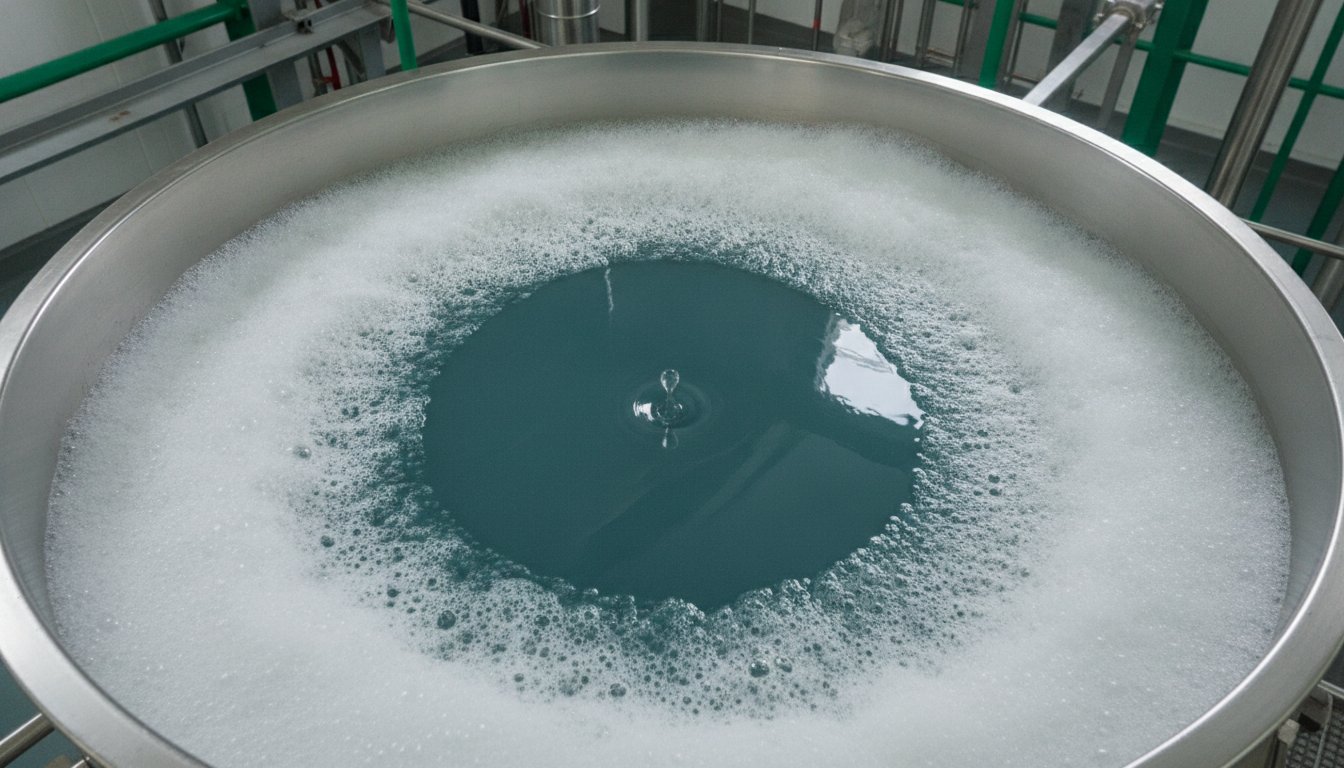
While silicone-based agents accounted for 45.2% of the global market in 2025, the choice between silicone vs non-silicone defoamers is no longer just a matter of surface chemistry. It's a strategic decision that impacts the security of your entire production line. Recent regulatory shifts, such as the European Commission's Regulation 1328/2024 restricting specific silicone compounds like D4 and D5 to concentrations below 0.1% w/w, have elevated chemical selection from a routine procurement task to a vital compliance mission.
You recognize that uncontrolled foam leads to more than just overflow. It causes costly process downtime and threatens product integrity through contamination like fisheyes in specialized coatings. We'll help you master the technical nuances between these two chemistries to optimize process stability and protect your global resource yields. This guide provides a clear framework for selecting the right agent to minimize reagent consumption while maintaining the highest safety and environmental standards.
Key Takeaways
- Understand the fundamental 'Bridging the Film' theory to identify how specific agents rupture foam lamella and maintain critical process continuity.
- Evaluate the performance metrics of silicone vs non-silicone defoamers across temperature, pH, and surface tension to ensure optimal process stability.
- Identify when to deploy non-silicone solutions to protect product integrity in sensitive downstream applications where surface tension and post-processing are vital.
- Shift procurement strategies from "price per kilogram" to "Total Cost of Ownership" to maximize long-term industrial efficiency and reagent savings.
- Discover how custom chemical formulations serve as a foundational pillar for global resource security and infrastructure stability.
The Mechanism of Foam Control: Why Chemistry Matters for Operational Security
Industrial efficiency relies on the precise management of fluid dynamics. Uncontrolled foam is more than a visual nuisance; it represents a systemic risk to process stability and resource yields. A Defoamer or antifoam agent acts as a guardian of operational security. While both categories manage air entrainment, antifoams prevent formation while defoamers eliminate existing bubbles. Selecting the right chemistry, particularly when comparing silicone vs non-silicone defoamers, is essential for protecting the integrity of global resource supply chains.
The 'Bridging the Film' theory describes the primary mechanism of action for these agents. A defoamer droplet must enter the liquid film, or lamella, surrounding a bubble. Once integrated, the droplet spreads across the interface. This creates a localized area of low surface tension that causes the lamella to thin and eventually rupture. This process is driven by the entry coefficient and the spreading coefficient. For a solution to be effective, both values must be greater than zero. These coefficients determine how quickly an agent can bridge the film and destabilize the foam structure, effectively preventing waste in critical industries like mining and water treatment.
The Physics of Foam Instability
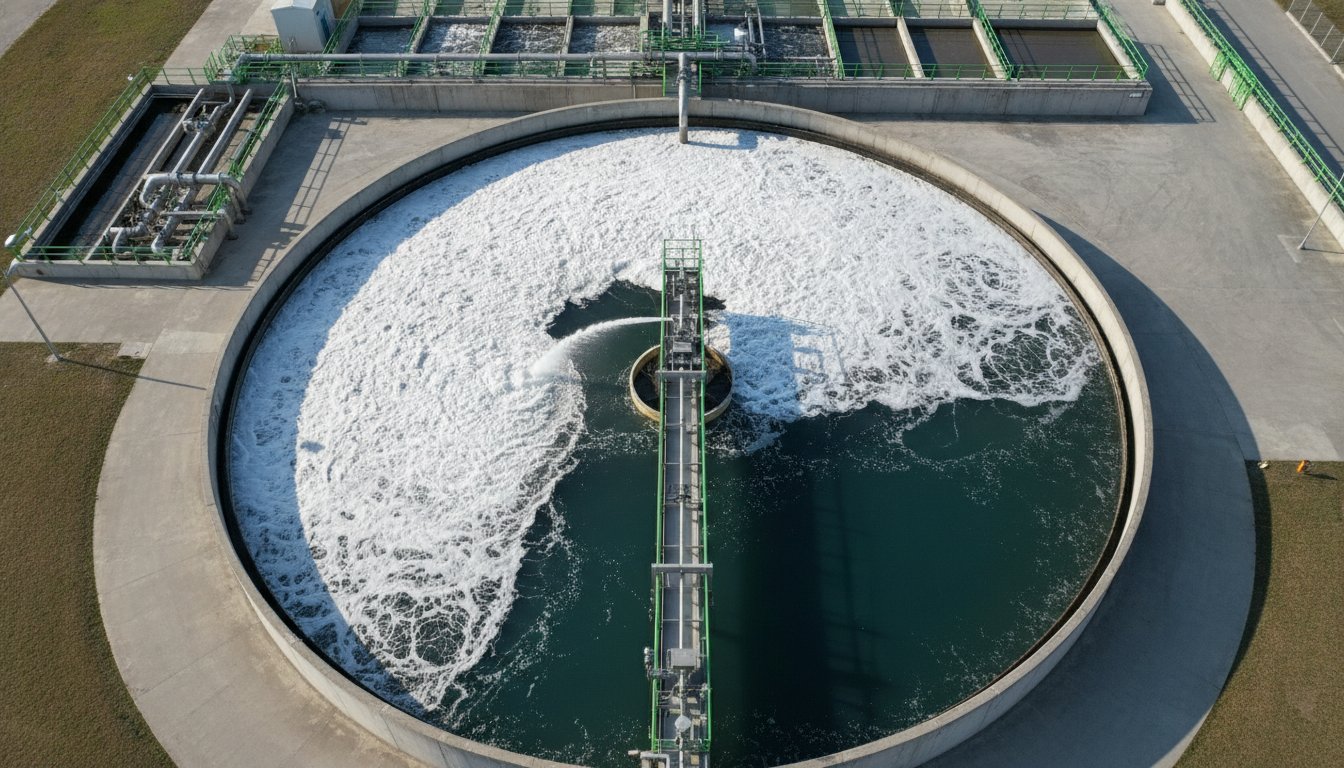
Surface tension reduction is the fundamental driver of bubble rupture. In industrial fluids, we distinguish between macro-foam and micro-foam. Macro-foam consists of visible bubbles on the surface, which are often easier to manage. Micro-foam remains entrained within the fluid, creating a greater threat to process accuracy and equipment safety. The Marangoni effect occurs when surface tension gradients resist the thinning of the bubble wall, effectively stabilizing the foam against natural drainage and requiring chemical intervention to overcome.
Economic Consequences of Uncontrolled Foam
Inefficient foam management leads to pump cavitation, which accelerates equipment wear and degrades vital infrastructure. It also reduces effective vessel capacity, lowering the total plant yield and increasing energy consumption per unit of production. This technical challenge is deeply rooted in Surfactant Chemistry, where the balance of hydrophobic and hydrophilic properties dictates the stability of the entire system. By mastering these mechanics, operators ensure that the comparison of silicone vs non-silicone defoamers results in a selection that protects both the product and the bottom line.
Silicone-Based Defoamers: High-Efficiency Performance in Extreme Conditions
Polydimethylsiloxane (PDMS) stands as the cornerstone of silicone chemistry. This synthetic polymer provides the backbone for high-efficiency foam control in the most demanding environments. When evaluating silicone vs non-silicone defoamers, the primary differentiator remains the fundamental physical property of surface tension. Silicone fluids possess exceptionally low surface tension, typically ranging from 20 to 21 mN/m. This is significantly lower than most organic oils or water-based alternatives. This low surface tension allows silicone to enter and rupture bubble lamella with unmatched speed, ensuring process continuity in high-volume production lines.
Reliability in harsh industrial conditions defines silicone's strategic value. These agents maintain their structural integrity in high-temperature and high-pH systems where organic alternatives often degrade or lose efficacy. Silicone's thermal stability ensures consistent performance in distillation columns, hot chemical reactors, or evaporators. Beyond immediate foam knockdown, silicone offers superior persistence. It remains active through multiple process cycles without breaking down. The decision between silicone vs non-silicone defoamers frequently depends on this requirement for long-term persistence in closed-loop systems. This longevity reduces the frequency of re-dosing, which protects the process from chemical accumulation and safeguards operational budgets.
Polymers and Emulsions: The Silicone Advantage
Advanced formulations frequently utilize silica-filled silicone oils to enhance the "pin-prick" rupture effect. In this configuration, hydrophobic silica particles act as mechanical bridge points that accelerate the collapse of the foam film. In aqueous industrial systems, silicone emulsions provide critical stability and ease of dispersion. These emulsions ensure the active PDMS droplets are distributed evenly across the fluid interface for comprehensive coverage. Because silicone is chemically inert, it remains non-reactive in complex mineral processing or chemical synthesis. This inertness is essential for meeting FDA regulations for defoaming agents in sensitive applications where purity is a critical requirement for resource security.
Applications in Mining and Water Treatment
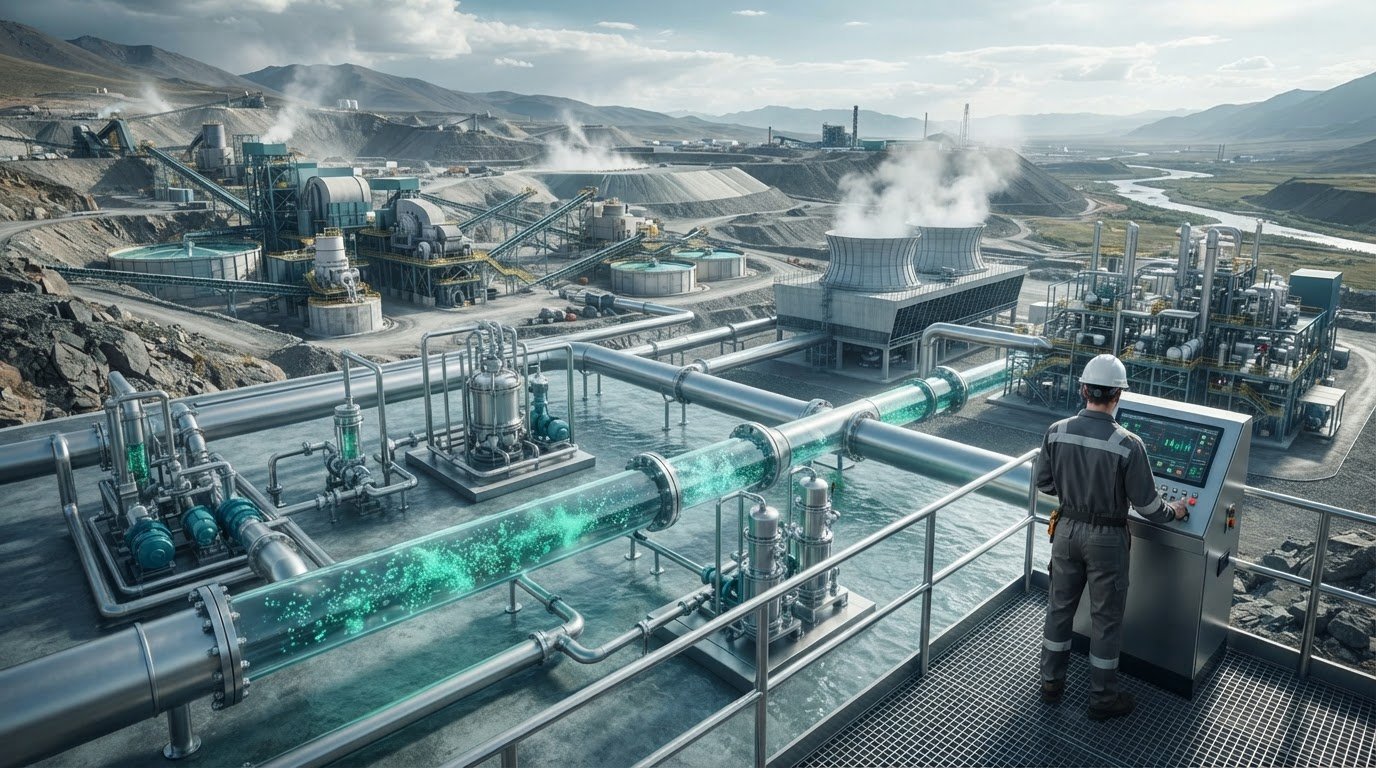
Efficiency at extremely low dosages makes silicone an indispensable choice for large-scale resource management. In many industrial applications, concentration levels as low as 1 to 10 parts per million (ppm) are sufficient to maintain total control. This high potency is critical in mining solutions where rapid foam knockdown is vital for the efficiency of flotation circuits and mineral recovery. Similarly, silicone plays a strategic role in industrial water treatment, particularly within desalination plants and Reverse Osmosis (RO) pretreatment. It prevents foam-induced scaling and protects sensitive membranes from fouling. For organizations seeking to optimize these complex systems, we offer high-performance silicon-based defoamers designed for maximum durability and resource protection.
Non-Silicone Defoamers: Precision Solutions for Sensitive Industrial Processes
Non-silicone defoamers represent a specialized class of chemical solutions designed for precision and compatibility. These agents are typically formulated from mineral oils, fatty alcohols, or synthetic polymers. While silicone is often selected for its persistence in extreme conditions, non-silicone agents are prized for their "surface-safe" characteristics. This makes them indispensable in processes where downstream adhesion, aesthetic perfection, or chemical sensitivity is mandatory. When evaluating silicone vs non-silicone defoamers, engineers must prioritize the final application's requirements for surface tension and chemical compatibility to ensure the integrity of the finished product.
Modern non-silicone alternatives offer a superior environmental profile. Many of these formulations utilize biodegradable components that align with global sustainability mandates and reduce the environmental footprint of industrial effluent. This is a critical factor for facilities operating under stringent discharge permits. By selecting a non-silicone solution, operators can maintain high process throughput while meeting the ethical and legal requirements of modern resource management. These agents provide the necessary foam control without introducing persistent synthetic compounds into the water cycle.
Oil-Based vs. Water-Based Non-Silicone Agents
The choice of carrier fluid dictates the performance characteristics of non-silicone agents. Mineral oil carriers remain a staple in heavy industrial applications due to their robust foam-breaking capabilities and cost-effectiveness. Water-extended defoamers provide a strategic advantage for cost-sensitive operations, offering reliable performance with a lower chemical load. For high-performance needs, synthetic esters serve as premium, silicone-free alternatives. These esters balance high efficiency with exceptional environmental responsibility, making them ideal for the most demanding sustainable manufacturing environments.
Preventing Surface Defects and Contamination
In the paints and coatings industry, silicone residues often lead to the "fisheye" phenomenon. These circular craters ruin finish quality and necessitate expensive rework. Non-silicone agents eliminate this risk by maintaining total compatibility with the coating matrix. This precision is equally vital in the Ceramics Chemicals industry, where additives must not interfere with glaze adhesion or structural integrity. In complex mining circuits, non-silicone agents ensure that foam control doesn't suppress the activity of mineral flotation collectors. This protection of chemical activity is essential for maximizing the recovery rates of the world's most critical mineral resources.
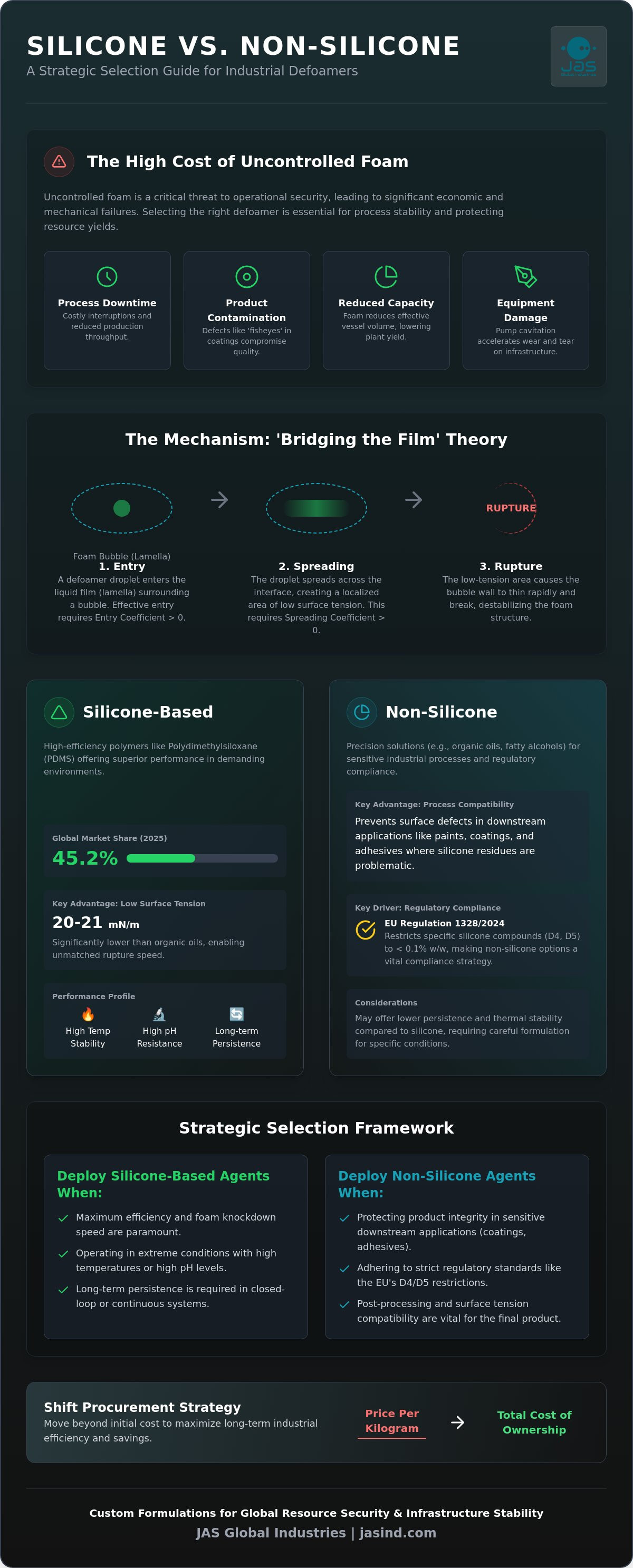
Silicone vs. Non-Silicone: A Strategic Selection Framework
Strategic selection in industrial processing requires a shift from commodity procurement to resource security. When evaluating silicone vs non-silicone defoamers, engineers must look beyond the initial price per kilogram. A robust selection framework balances chemical performance with the total cost of ownership. While silicone agents often carry a higher unit price, their dosage efficiency frequently makes them the more economical choice. In many high-volume circuits, silicone operates effectively at 5 to 10 parts per million (ppm), whereas non-silicone alternatives might require five to ten times that volume to achieve comparable knockdown. This reduction in reagent consumption lowers logistics costs, minimizes storage requirements, and simplifies chemical management.
The decision matrix for selecting the optimal agent centers on the specific needs of the production environment. If the process involves extreme temperatures or fluctuating pH levels, silicone's structural stability provides the necessary protection. Conversely, if the final product requires post-processing like painting or bonding, the surface-safe nature of non-silicone agents is mandatory. We help partners navigate these complexities by providing tailored defoamer solutions that prioritize both immediate knockdown speed and long-term surface compatibility.
Technical Performance Comparison
Testing defoamer persistence in a laboratory setting involves measuring the time to foam re-emergence under constant agitation. This helps determine the longevity of the agent within a closed-loop system. Both chemistries must be evaluated for their compatibility with existing industrial surfactants to prevent unwanted interactions or precipitation. Defoamer Exhaustion occurs when the active ingredient is completely emulsified or absorbed into the liquid phase, rendering it incapable of rupturing additional bubble lamella. Silicone typically resists exhaustion longer than organic oils, providing a steady baseline of protection through multiple process cycles.
Environmental and Regulatory Considerations
The global industrial landscape is moving rapidly toward VOC-free and biodegradable foam control agents. Modern non-silicone formulations lead this shift, offering high performance with a minimal environmental footprint. Regulatory scrutiny on silicone compounds in food-contact and pharmaceutical-grade water treatment is also increasing. These restrictions necessitate a precise understanding of chemical compliance. JAS Global Industries ensures that every formulation meets international chemical management plans, protecting the stability of global resources while adhering to the highest safety and environmental standards. By choosing a partner focused on global responsibility, facilities can maintain operational continuity without compromising their commitment to sustainability.
JAS Global Industries: Tailor-Made Foam Control for Critical Resources
JAS Global Industries operates as a vital pillar of modern infrastructure. We recognize that industrial efficiency is the foundation of global resource security. Unlike generic suppliers providing off-the-shelf products, we function as a long-term partner through our dedicated Research and Innovation (R&I) centers. Here, our experts develop custom formulations tailored to the unique chemical profiles of individual plants. Whether the challenge involves selecting between silicone vs non-silicone defoamers or managing complex surfactant interactions, our mission is to ensure your process remains stable and protected.
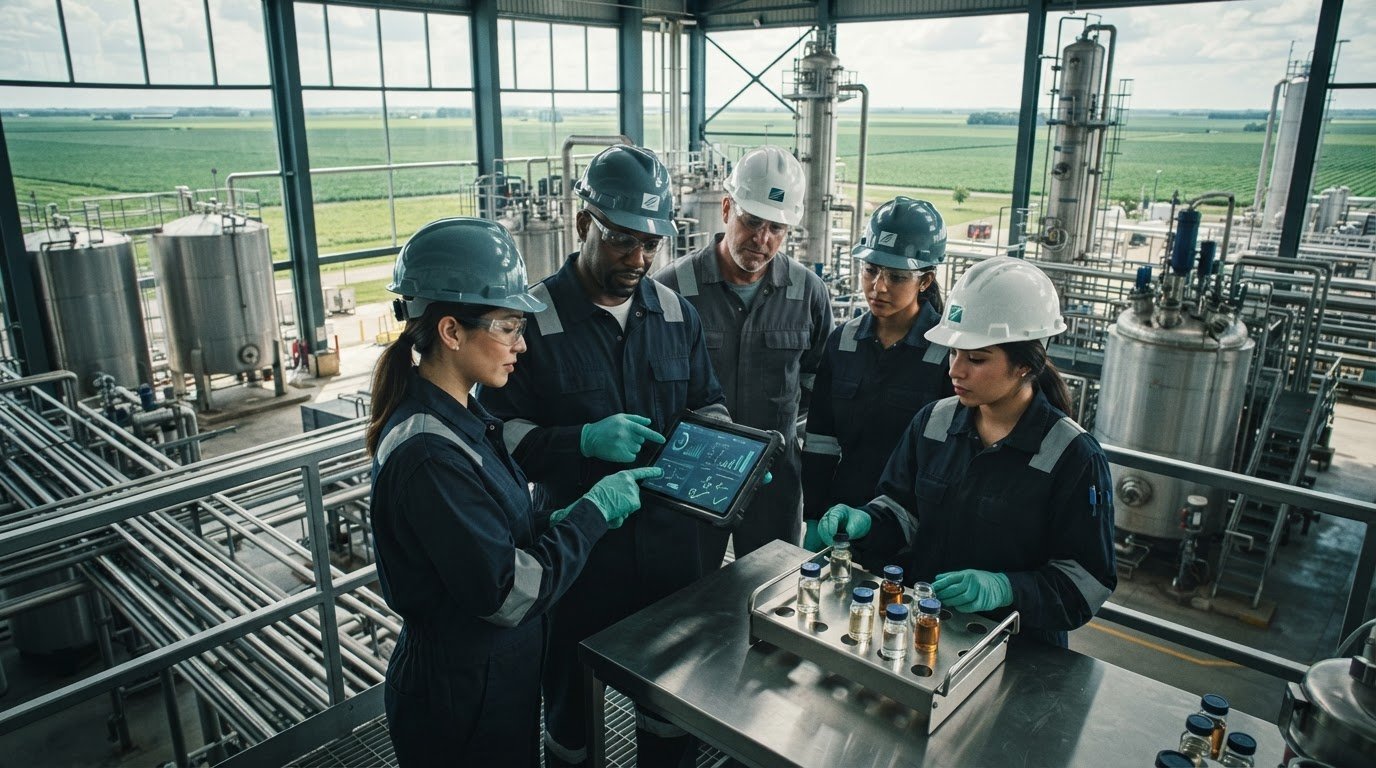
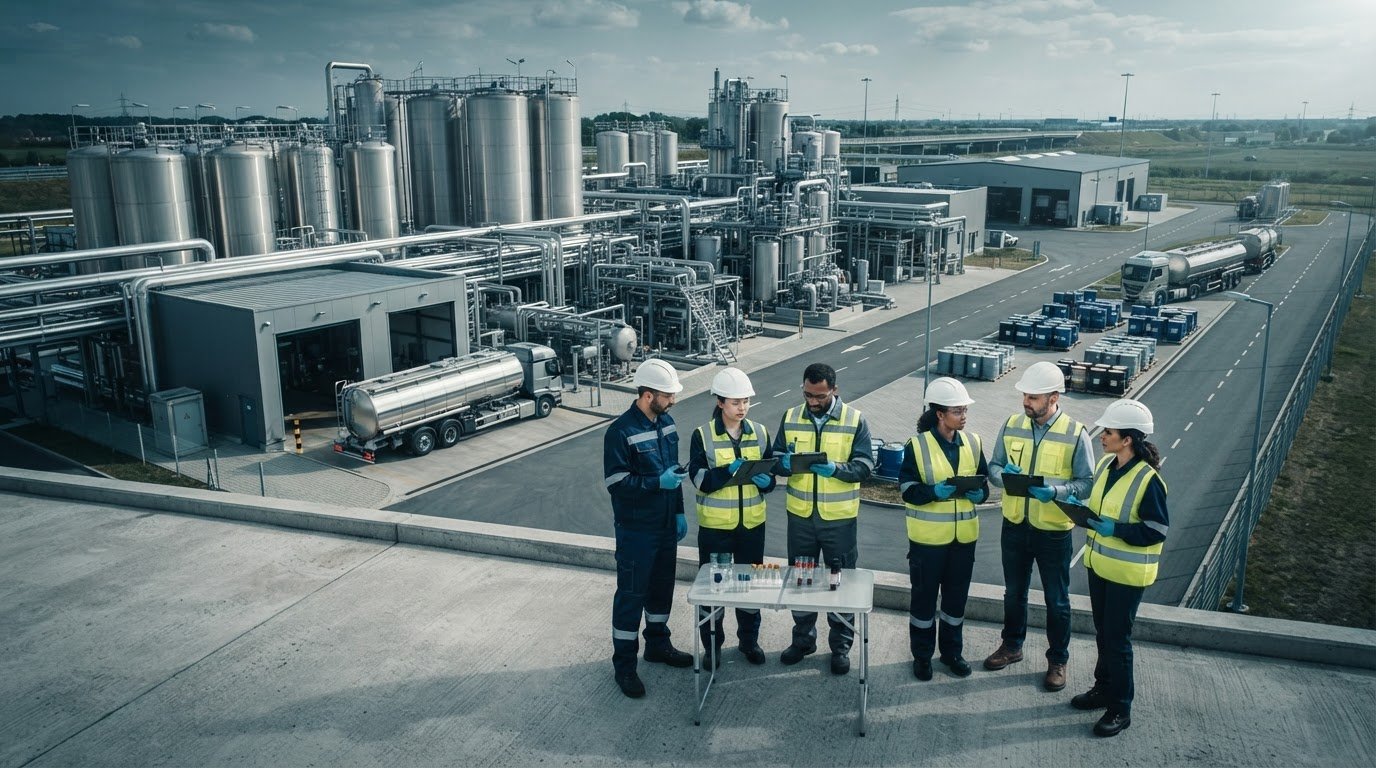
Our technical consulting goes beyond simple product delivery. We provide on-site laboratory testing to identify the precise point of foam instability. This granular approach allows us to improve yields and minimize reagent consumption across the entire production cycle. By integrating specialized solutions like Anti-caking Agents into fertilizer production lines, we help maintain industrial flow and protect global food security.
Custom Formulations for Mining and Fertilizers
Phosphoric acid production presents one of the most challenging environments for foam control. The high temperatures and aggressive chemical reactions require specialized defoamers that can withstand extreme conditions without degrading. The choice between silicone vs non-silicone defoamers in these circuits is determined by the specific mineralogy and the need for surface-safe results. JAS engineers optimize defoamer dosages to ensure that these agents don't interfere with downstream mineral flotation. This protection of chemical activity is essential for maximizing recovery rates in phosphate and potash mining. For dry-process industrial applications where liquid carriers are unsuitable, we offer high-performance Powder Antifoam. This ensures that even the most sensitive processes benefit from our advanced foam-rupturing technology.
Global Reach and Technical Support
Our Dubai-headquartered logistics and technical support network ensures that our expertise is available whenever and wherever it's needed. We're committed to delivering sustainable and cost-effective chemical technologies that align with international environmental standards. This global presence allows us to act as a reliable guardian for industries that serve as the backbone of society. We don't just sell chemicals; we provide the stability required for modern infrastructure to thrive. Optimize your process efficiency with a technical audit from JAS Global Industries to ensure your facility operates at its highest potential.
Securing Your Process Through Chemical Precision
The strategic selection between silicone vs non-silicone defoamers is a foundational decision for any high-volume industrial facility. It requires balancing immediate knockdown speed with the long-term integrity of your final product. By prioritizing dosage efficiency and total cost of ownership over simple unit pricing, you protect both your operational budget and the stability of critical global resources. True efficiency is found at the intersection of technical expertise and customized chemical application.
JAS Global Industries has acted as a trusted guardian of the mining and fertilizer sectors since 1998. Our global R&I centers specialize in developing tailor-made formulations that address the specific physical and chemical conditions of your plant. We invite you to Partner with JAS Global Industries for Custom Foam Control Solutions. Our team provides expert technical audits to optimize your plant yield and ensure unwavering reliability. Achieving a stable, foam-free production environment is an attainable goal when you have a dedicated global leader as your partner.
Frequently Asked Questions
What is the primary difference between silicone and non-silicone defoamers?
The primary difference lies in the active chemistry and surface tension. Silicone defoamers utilize Polydimethylsiloxane (PDMS) to achieve exceptionally low surface tension, typically around 20 mN/m. This allows for rapid foam knockdown and high persistence. Non-silicone defoamers use mineral oils, fatty alcohols, or synthetic esters. While they have higher surface tension, they offer better compatibility in processes where surface adhesion is critical.
When should I avoid using silicone-based defoamers?
Avoid silicone when downstream surface quality or chemical activity is a priority. In industries like automotive coatings or specialized paints, silicone residues cause "fisheyes" and craters that ruin the finish. Similarly, some mineral flotation circuits require non-silicone agents to prevent interference with collectors. Choosing between silicone vs non-silicone defoamers in these cases ensures that foam control doesn't compromise the final product's integrity.
Is silicone defoamer more cost-effective than non-silicone options?
Silicone is often more cost-effective when evaluated through the lens of Total Cost of Ownership. While the price per kilogram is typically higher, silicone is effective at extremely low dosages, often between 1 and 10 ppm. This high potency reduces the volume of reagent required, lowers logistics costs, and minimizes storage needs. Non-silicone alternatives may require significantly higher dosages to achieve comparable process stability.
Can silicone defoamers cause problems in water treatment membranes?
Silicone can cause membrane fouling if it's not correctly emulsified or dosed. In Reverse Osmosis (RO) and desalination systems, poorly formulated silicones may deposit on membrane surfaces, reducing permeate flow and increasing cleaning frequency. However, advanced silicone emulsions are specifically designed to remain stable. These high-performance solutions protect membrane integrity while preventing foam-induced scaling in critical water security infrastructure.
Are non-silicone defoamers biodegradable?
Modern non-silicone defoamers are frequently designed with superior biodegradability. Formulations based on synthetic esters or fatty alcohols align with global sustainability mandates and stringent discharge permits. These agents break down more readily in wastewater treatment plants compared to traditional synthetic polymers. This makes them a strategic choice for facilities focused on reducing their environmental footprint while maintaining high operational throughput.
How do I determine the correct dosage for a new defoamer formulation?
Correct dosage is determined through a combination of laboratory "shake tests" and on-site technical audits. We measure the time to foam re-emergence under constant agitation to evaluate persistence. Finding the minimum effective concentration is vital for preventing waste. Our technical teams analyze your specific process fluids to ensure the dosage provides total control without causing downstream interference or chemical accumulation.
What happens if I over-dose a defoamer in my industrial process?
Over-dosing leads to unnecessary costs and potential process contamination. Excess defoamer can cause surface defects in coatings, interfere with surfactant balances, or lead to "oil out" in aqueous systems. In mining applications, over-dosing may coat mineral particles and prevent collectors from attaching, which directly reduces recovery rates. Precise dosing is essential for protecting both equipment reliability and the quality of your resource yields.
Does temperature affect the performance of non-silicone defoamers?
Temperature significantly impacts non-silicone performance as organic oils and esters can degrade or lose solubility in extreme heat. Most non-silicone agents are optimized for ambient or moderate thermal environments. In contrast, silicone maintains structural integrity in high-temperature reactors and distillation columns. When comparing silicone vs non-silicone defoamers, engineers must evaluate the thermal profile of the process to ensure the selected agent remains active.