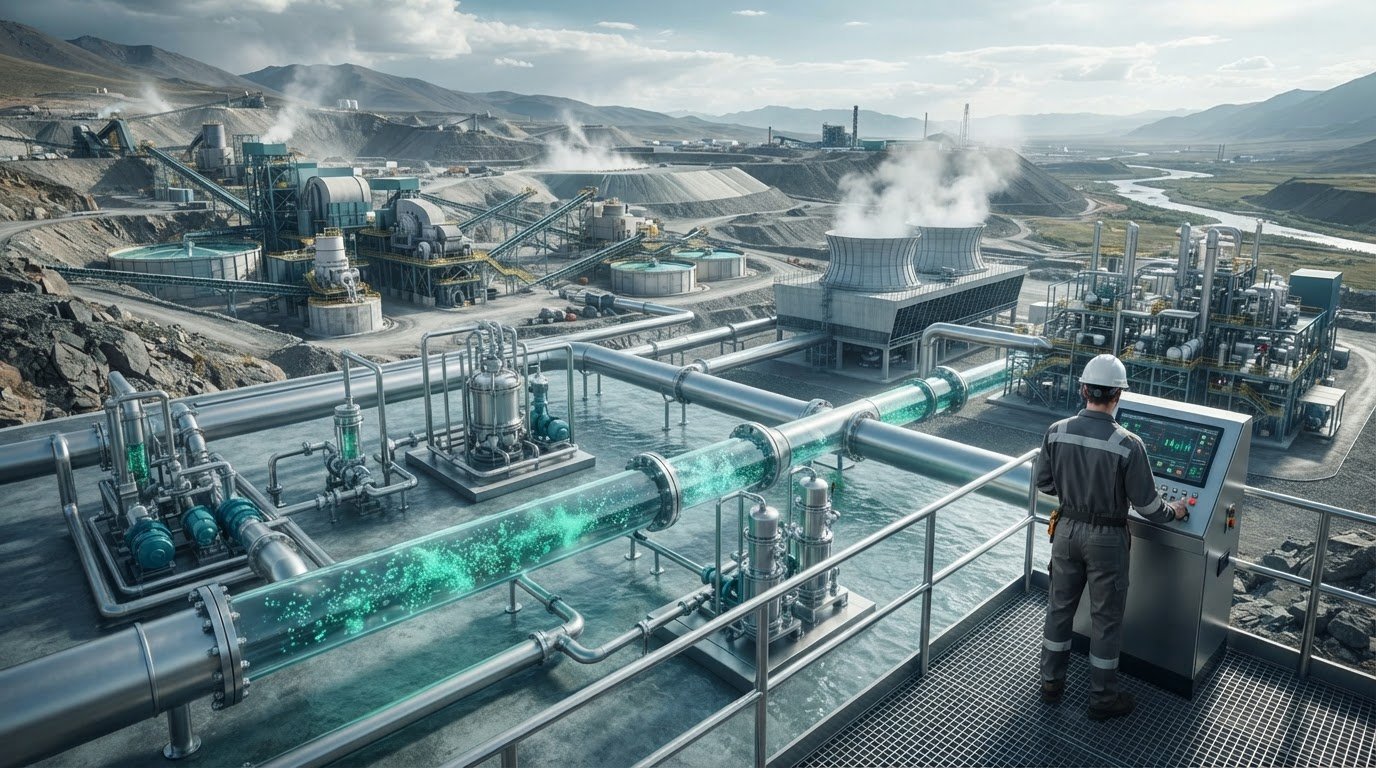


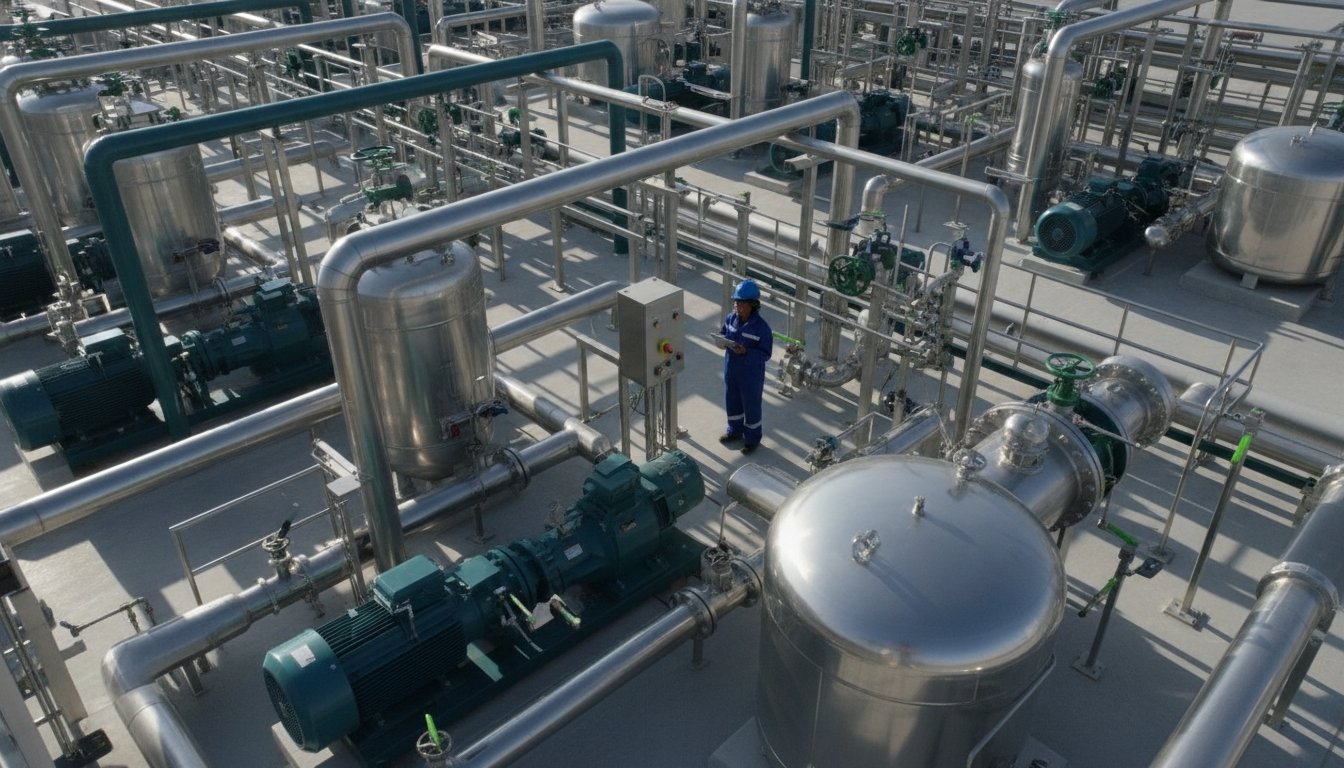
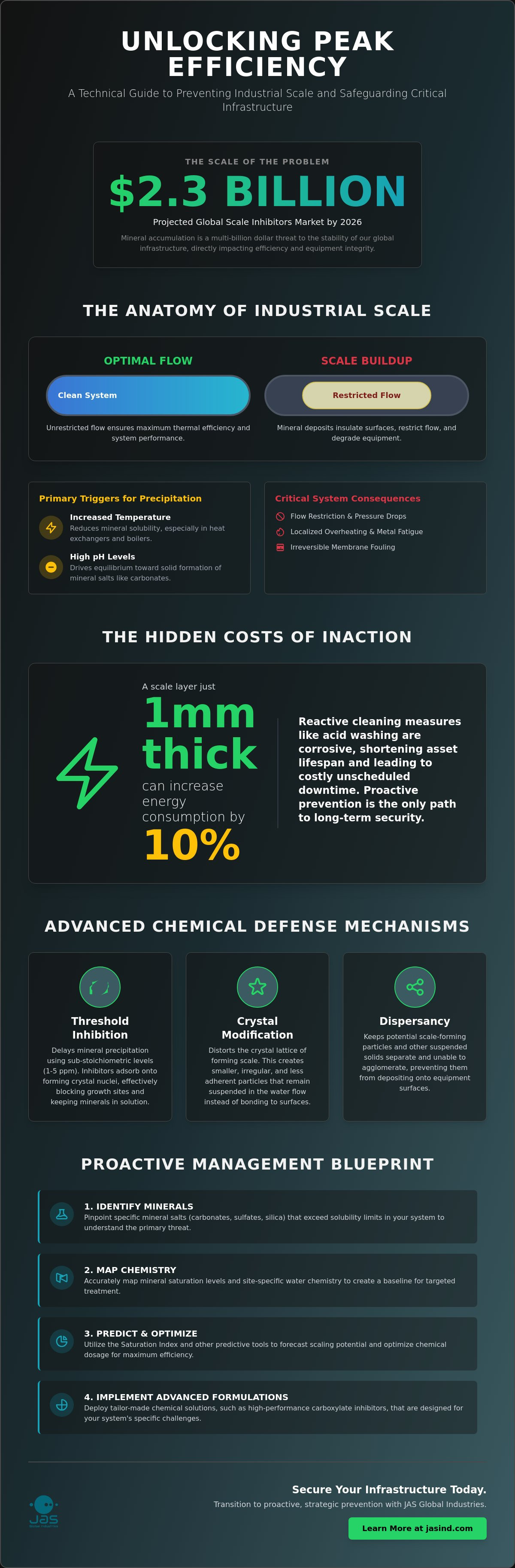
By 2026, the global scale inhibitors market is projected to reach US$ 2.3 billion. This massive investment reflects a critical industrial truth: mineral accumulation is a multi-billion dollar threat to the stability of our global infrastructure. When you manage high-volume systems, you know that even a thin layer of scale isn't just a minor maintenance issue. It's a direct assault on thermal efficiency and equipment integrity. Preventing scaling in water treatment systems is no longer just about cleaning; it's about the security and protection of vital resources.
You've likely felt the pressure of rising energy costs and the frustration of unscheduled downtime caused by membrane fouling. It's a common challenge, but it doesn't have to be your baseline. This guide provides the technical strategies and chemical interventions required to eliminate scale formation and safeguard your infrastructure. We'll explore precision dosing, the latest NSF/ANSI/CAN 60-2025 standards, and the transition toward high-performance carboxylate inhibitors. By the end, you'll have a reliable, low-intervention protocol to extend equipment lifespan and optimize every kilowatt of energy your facility consumes.
Key Takeaways
- Identify the specific mineral salts, including carbonates and sulfates, that exceed solubility limits to cause accelerated equipment degradation.
- Learn how threshold inhibition and crystal growth modification work at the molecular level to arrest mineral precipitation.
- Master the technical strategies for preventing scaling in water treatment systems by accurately mapping mineral saturation and site-specific chemistry.
- Develop a proactive management plan using the Saturation Index to optimize energy efficiency and reduce the high cost of unscheduled maintenance.
- Explore the shift toward advanced, tailor-made chemical formulations that ensure the security and protection of critical industrial infrastructure.
The Industrial Impact of Scaling in Water Treatment Systems
Scaling is a silent predator in industrial circuits. It occurs when mineral salts precipitate because they've exceeded their solubility limits, transitioning from a dissolved state into a solid, crystalline structure. In high-volume systems, this isn't just a minor chemistry shift. It's a systemic failure. While many operators focus on simple calcium carbonate, heavy industrial processes often grapple with more complex sulfates, silica, and phosphates. These minerals don't just sit on the surface; they bond to it. Success in preventing scaling in water treatment systems depends on mastering this chemistry before it compromises your infrastructure.
Temperature and pH levels act as the primary catalysts for this precipitation. For many minerals, solubility is inverse; it decreases as temperature increases. This means your most critical components, such as boiler tubes and heat exchangers, are the most vulnerable. High pH levels further drive the equilibrium toward solid formation, turning dissolved minerals into destructive solids that choke system efficiency. Engineering a strategy for preventing scaling in water treatment systems ensures that energy remains focused on production rather than overcoming internal resistance.
How Mineral Precipitation Compromises Infrastructure
Scale formation acts as a physical barrier within piping networks. It causes significant flow restriction and creates massive pressure drops that force pumps to work harder. In high-pressure boiler systems, scale leads to localized overheating. Because the scale layer insulates the metal from the cooling water, the tube temperature rises until metal fatigue or rupture occurs. For Reverse Osmosis (RO) systems, the impact is even more immediate. Mineral salts can cause irreversible membrane fouling, which destroys throughput and requires expensive replacement long before the end of the asset's expected life.
The Hidden Costs: Energy Inefficiency and Unscheduled Downtime
The financial burden of scaling is often underestimated until it hits the balance sheet. Thermal resistance is the primary driver of these costs. Industry data suggests that a scale layer just 1mm thick can increase energy consumption by 10%. This inefficiency compounds over time, draining operational budgets and increasing the carbon footprint of the facility. Traditional Water softening methods provide a baseline of protection, but they often fall short in high-volume industrial circuits where mineral loads are heavy.
Relying on reactive measures like acid cleaning or mechanical descaling introduces its own set of risks. These processes are corrosive. They can strip away base metal and shorten the lifespan of heat exchangers and boilers. In critical sectors like desalination and power generation, this leads to rapid asset depreciation and the high cost of unscheduled maintenance. True operational security requires a transition from reactive cleaning to proactive, strategic prevention. Protecting these assets is essential for maintaining the stability of the global resources we all rely on.
Chemical Mechanisms for Preventing Scaling
Mineral accumulation is a predictable chemical outcome in untreated industrial water. It's not unmanageable, but it requires a sophisticated response. Effective strategies for preventing scaling in water treatment systems rely on four primary chemical pathways: threshold inhibition, crystal growth modification, dispersancy, and sequestration. Each mechanism targets a different stage of the mineral precipitation lifecycle. By understanding these molecular interactions, industrial operators can move beyond broad maintenance and toward precision-engineered chemical security.
Antiscalants and Threshold Inhibitors
Threshold inhibition is a kinetic delay of mineral precipitation. Unlike traditional softening which removes ions entirely, threshold inhibitors work at sub-stoichiometric levels. This means a tiny amount of chemical, often just 1 to 5 parts per million, can prevent the precipitation of minerals that are vastly more concentrated. Common inhibitors like phosphonates and polyacrylates adsorb onto the surfaces of forming nuclei. This blocks the growth sites and keeps minerals in solution far beyond their normal saturation point. This method is highly cost-effective for large-scale operations. It provides a foundational layer of protection before understanding water hardness leads to more aggressive mechanical interventions.
Crystal Growth Modification and Dispersant Agents
When mineral salts do begin to crystallize, growth modification becomes the next line of defense. These chemicals distort the crystal symmetry and lattice structure. Instead of forming hard, interlocking calcium carbonate crystals that bond to metal surfaces, the minerals form irregular, "soft" particles. These modified crystals lack the structural integrity to adhere. They remain as a mobile sludge that can be easily removed through blowdown or filtration. This transformation is vital for protecting heat transfer surfaces from irreversible fouling.
To ensure these modified particles don't settle in low-flow areas, Dispersant Agents are essential. These agents increase the surface charge of the micro-crystals, creating a repulsive force that prevents agglomeration. In cooling circuits with high solids, this keeps the water column clear of deposit-forming clusters. Sequestration further supports this by chelating metal ions like iron or manganese, preventing them from reacting with other salts. Implementing these advanced Water Treatment Antiscalants is a cornerstone for preventing scaling in water treatment systems, ensuring that your infrastructure remains protected from the molecular level up.
Application-Specific Scale Prevention Strategies
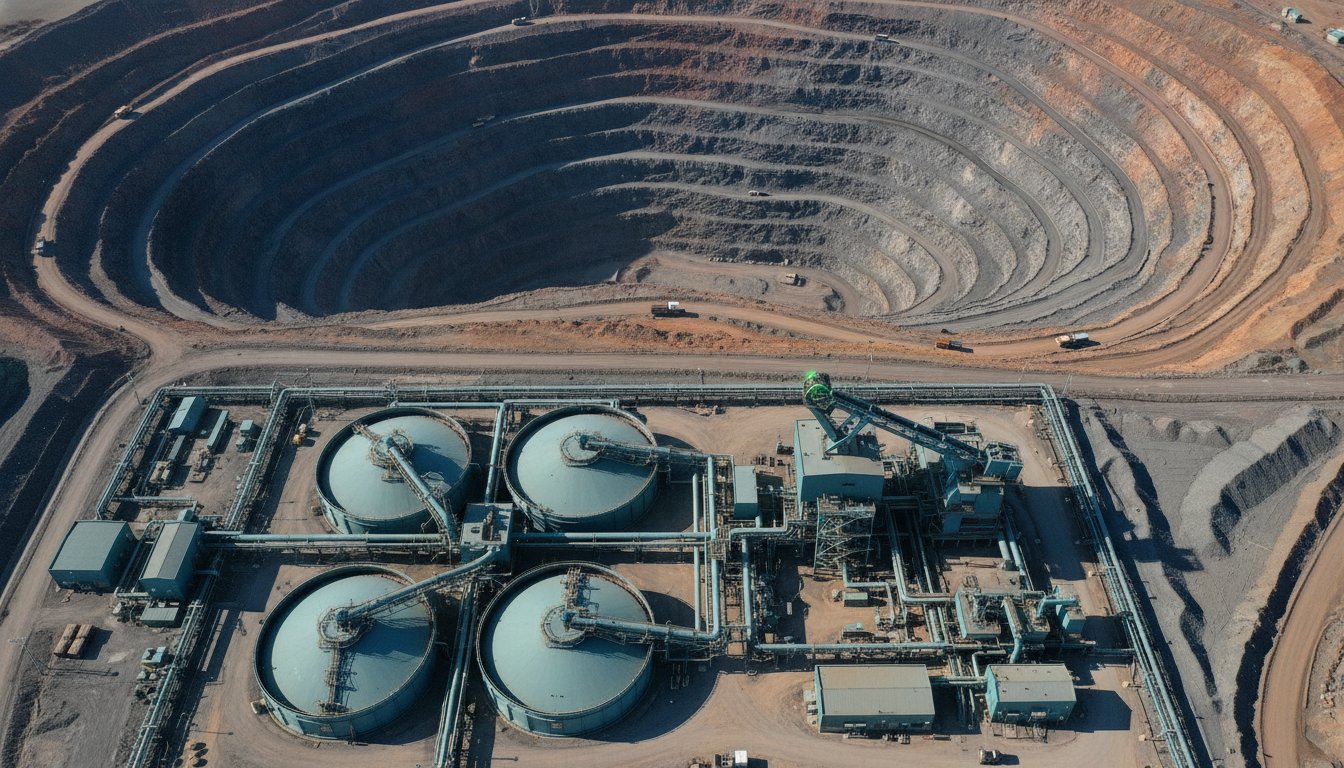
Scaling prevention is a site-specific science. A mining operation in a remote highland faces vastly different mineral loads than a coastal desalination facility. Success in preventing scaling in water treatment systems hinges on this localized understanding. In mining and geothermal sectors, high-silica waters present a formidable challenge. Silica is notoriously difficult to remove once it precipitates. It often requires aggressive mechanical intervention that risks asset integrity. Strategic management requires advanced formulations that keep silica monomeric and soluble even at high concentrations.
In high-salinity environments, the scaling potential is extreme. Desalination brines operate at the edge of mineral solubility. Total infrastructure security requires a holistic chemical approach. This involves integrating scale management with high-performance corrosion inhibitors. By addressing both mineral deposition and oxidative stress simultaneously, operators ensure the long-term stability of critical water assets. This integrated protection is essential for maintaining the reliability of global infrastructure.
Reverse Osmosis (RO) Membrane Protection
Membranes are the heart of modern water security. High-recovery RO systems concentrate salts to dangerous levels in the reject stream. Selecting specialized Water Treatment Antiscalants is essential to prevent membrane blinding. Operators must monitor the Langelier Saturation Index (LSI) to predict scaling potential in both permeate and concentrate streams. Effective protocols also address biological fouling. Biofilm acts as a matrix for mineral crystals, accelerating the degradation of these expensive assets. Protecting these membranes ensures a consistent supply of clean water for industrial and community needs.
Thermal Desalination and High-Temperature Cooling Towers
Thermal processes like Multi-Stage Flash (MSF) operate under extreme heat. Antiscalants used here must possess exceptional thermal stability to remain active. In the mining sector, process water is frequently recycled to conserve global resources. Protecting heat exchangers in these circuits is a vital priority. These mining solutions ensure that recycled water doesn't compromise the infrastructure designed to process it. Reliability is the foundation of sustainable industrial growth. By managing scale in high-heat environments, we protect the assets that power our world.
Designing a Comprehensive Scale Management Plan
A strategic management plan is the blueprint for operational reliability. It transforms chemical theory into a structured protocol for asset protection. Preventing scaling in water treatment systems requires more than just adding chemicals; it demands a data-driven framework that accounts for every variable in the water circuit. This process begins with defining the baseline. Without a precise understanding of the raw water chemistry, any treatment effort is merely reactive. Precision engineering ensures that your infrastructure remains a stable pillar of production.
Determining the Saturation Index is the first critical step. By calculating indices such as the Langelier Saturation Index (LSI) or the Ryznar Stability Index (RSI), operators can predict the thermodynamic drive for mineral precipitation. This predictive compass allows for the adjustment of treatment levels before scale actually forms. Consistent, real-time monitoring ensures that the system remains in a state of equilibrium, even when process conditions fluctuate. Managing these variables is essential for the long-term security of industrial assets.
Water Quality Analysis and Mineral Mapping
A comprehensive analysis must cover several key parameters to ensure total system protection. Operators must track Alkalinity, Hardness, TDS, and Conductivity with categorical precision. Raw water sources are rarely static. Seasonal variations, such as heavy rainfall or drought, can drastically alter mineral concentrations and scaling potential. Additionally, upstream processes like h2s treatment can shift pH levels and introduce new chemical interactions that influence precipitation. Mapping these variables creates a robust profile that guides the selection of specific inhibitors.
Selecting the Right Chemical Dosing Strategy
Precision is the hallmark of modern industrial security. While batch dosing may suffice for smaller, stable systems, large-scale infrastructure requires continuous, automated control. Integrating dosing pumps with SCADA systems and remote monitoring platforms allows for an immediate response to water fluctuations. Automation removes the risk of human error and ensures that the system is never under-treated. Precision dosing ensures that chemical application remains strictly aligned with actual demand, which minimizes chemical waste and reduces the overall environmental impact of the facility.
This efficiency isn't just about cost; it's about responsible resource management. To implement these protocols, explore our specialized Water Treatment Scale Inhibitors designed for high-volume industrial stability. This strategic approach ensures that preventing scaling in water treatment systems remains a reliable, low-intervention component of your global operations. By choosing advanced dosing strategies, you protect the fundamental needs of your facility and the broader community it serves.
Advanced Specialty Chemicals for Global Water Security
The landscape of industrial water management is evolving. Commodity chemicals are no longer sufficient for the complex mineral profiles of modern production. True security requires a shift toward tailor-made formulations. At JAS Global Industries, we view preventing scaling in water treatment systems as a foundational requirement for global stability. Our approach balances technical industrial expertise with a profound sense of responsibility for the world's most critical resources. Reliability is not an option; it is our primary mission. We act as a vital guardian for the infrastructure that powers our society.
Sustainable water management demands more than surface-level solutions. It requires a deep integration into the specific processes of each facility. By providing global technical support and on-site process optimization, we ensure that every chemical intervention serves a larger purpose. This steady, results-driven focus allows industrial leaders to transition from simple logistics to long-term resource protection. Engineering reliability is the cornerstone of our corporate identity. We provide the stability necessary for industries to thrive in an increasingly resource-constrained world.
Tailor-Made Formulations for Complex Industrial Brines
Industrial brines in mining and oil & gas sectors are notoriously unpredictable. A generic antiscalant rarely provides the precision needed to arrest precipitation in these extreme environments. JAS Global operates dedicated Research and Innovation (R&I) centers to develop site-specific reagents. These centers analyze the unique mineral mapping of a facility to engineer a chemical response that is both effective and compatible with other process additives. For instance, ensuring compatibility with Ceramics Chemicals and high-solids dispersants is a standard part of our engineering protocol. This level of customization ensures that preventing scaling in water treatment systems remains a seamless part of your broader chemical strategy.
Partnering with JAS Global for Operational Reliability
Operational reliability is built on experience. With over 25 years of expertise in specialty chemical solutions, JAS Global acts as an indispensable pillar for large-scale industrial plants. We provide more than just products. Our global logistics network and comprehensive technical audit services ensure that your facility operates at peak efficiency regardless of its location. We conduct on-site process optimization to verify that every chemical intervention is performing as intended. This commitment to technical excellence defines our role as a global leader.
Choosing the right partner is a strategic decision for the long-term protection of your infrastructure. We're committed to the stability of critical global resources. Our focus remains on safety, stability, and the broader human impact of technical excellence. By integrating advanced scale management into your operations, you secure the fundamental needs of your industry and contribute to a more sustainable global future. We stand as a foundational industry presence, focused on the essential needs of modern society.
Securing the Future of Industrial Water Infrastructure
Effective mineral management is the foundation of operational security. Transitioning from reactive cleaning to precision-engineered chemical strategies is essential for long-term stability. By mastering molecular mechanisms like threshold inhibition and implementing automated dosing protocols, you protect your infrastructure from irreversible degradation. Preventing scaling in water treatment systems ensures that your assets remain efficient, reliable, and capable of supporting global resource stability.
JAS Global Industries brings over 25 years of industrial chemical expertise to your facility. Our global R&I centers specialize in developing tailor-made formulations that address the unique mineral profiles of the mining, desalination, and fertilizer sectors. We don't just provide chemicals; we build long-term partnerships focused on the safety and stability of your operations. Consult with JAS Global Technical Experts for a Custom Scale Management Strategy today. We look forward to helping you build a resilient, efficient, and secure industrial future.
Frequently Asked Questions
What is the difference between an antiscalant and a water softener?
Antiscalants delay mineral precipitation through chemical interference, while softeners physically remove hardness ions via ion exchange. Antiscalants are sub-stoichiometric, meaning tiny doses manage large mineral volumes without removing the minerals themselves. This makes them ideal for high-volume industrial circuits where softeners are often impractical due to massive salt requirements and wastewater discharge volumes. Antiscalants provide a more scalable solution for protecting large infrastructure.
How do I know if my industrial system is already scaling?
You'll notice physical indicators like increased pressure drops across piping and reduced heat transfer efficiency in exchangers. Scaling often causes a rise in energy consumption as the system struggles against thermal resistance. Monitoring a sudden decrease in permeate flow in Reverse Osmosis systems or conducting visual inspections during scheduled shutdowns are also definitive ways to identify that mineral deposits are compromising your equipment's integrity.
Can scale inhibitors be used in high-temperature thermal desalination?
Yes, specialized scale inhibitors are essential for thermal desalination processes like Multi-Stage Flash (MSF). These specific formulations must possess high thermal stability to remain active at temperatures exceeding 100°C. They prevent the formation of hard carbonate and sulfate scales on heat transfer tubes. This ensures the security and protection of critical water production assets, particularly in regions that rely on desalination for resource stability.
Are scale prevention chemicals safe for the environment?
Modern industrial formulations are increasingly designed for biodegradability to meet strict global environmental regulations. The industry is shifting toward "green" chemistry, utilizing carboxylate and acrylic-based inhibitors that comply with frameworks like REACH. Precision dosing also plays a vital role by ensuring that only the necessary amount of chemical is applied. This minimizes the chemical load in discharge streams and supports responsible corporate citizenship.
How often should water quality be tested to prevent scaling?
Daily monitoring is the baseline for most industrial plants, though frequency depends on the stability of your source water. In environments with seasonal fluctuations or multiple raw water sources, real-time automated monitoring is the preferred standard. Consistent analysis of alkalinity, hardness, and TDS is the only way to maintain a reliable protocol for preventing scaling in water treatment systems and ensuring asset protection.
What happens if I mix different types of scale inhibitors?
Mixing different inhibitors without technical validation can lead to chemical antagonism or significantly reduced efficacy. While some formulations are designed to be synergistic, others may react and precipitate, causing the very fouling they were intended to prevent. This can lead to unscheduled maintenance and equipment stress. Always consult with a technical expert before combining products to ensure the stability and safety of your chemical plan.
Is chemical scale prevention more cost-effective than mechanical cleaning?
Chemical prevention is significantly more cost-effective because it avoids the high costs of unscheduled downtime and labor-intensive descaling. Mechanical cleaning often involves corrosive acids that can damage base metals and shorten equipment lifespan. By proactively preventing scaling in water treatment systems, you optimize energy efficiency and protect the long-term value of your industrial infrastructure. It is a strategic investment in operational reliability.
Can scale inhibitors prevent corrosion as well?
Most scale inhibitors focus specifically on mineral management, but they are frequently integrated into multi-functional treatment programs. Some specialty chemicals provide a dual-action effect by forming a protective molecular film on metal surfaces. For total system security, scale inhibitors should be paired with dedicated corrosion inhibitors. This comprehensive approach addresses both mineral deposition and oxidative stress to ensure the long-term stability of your water assets.