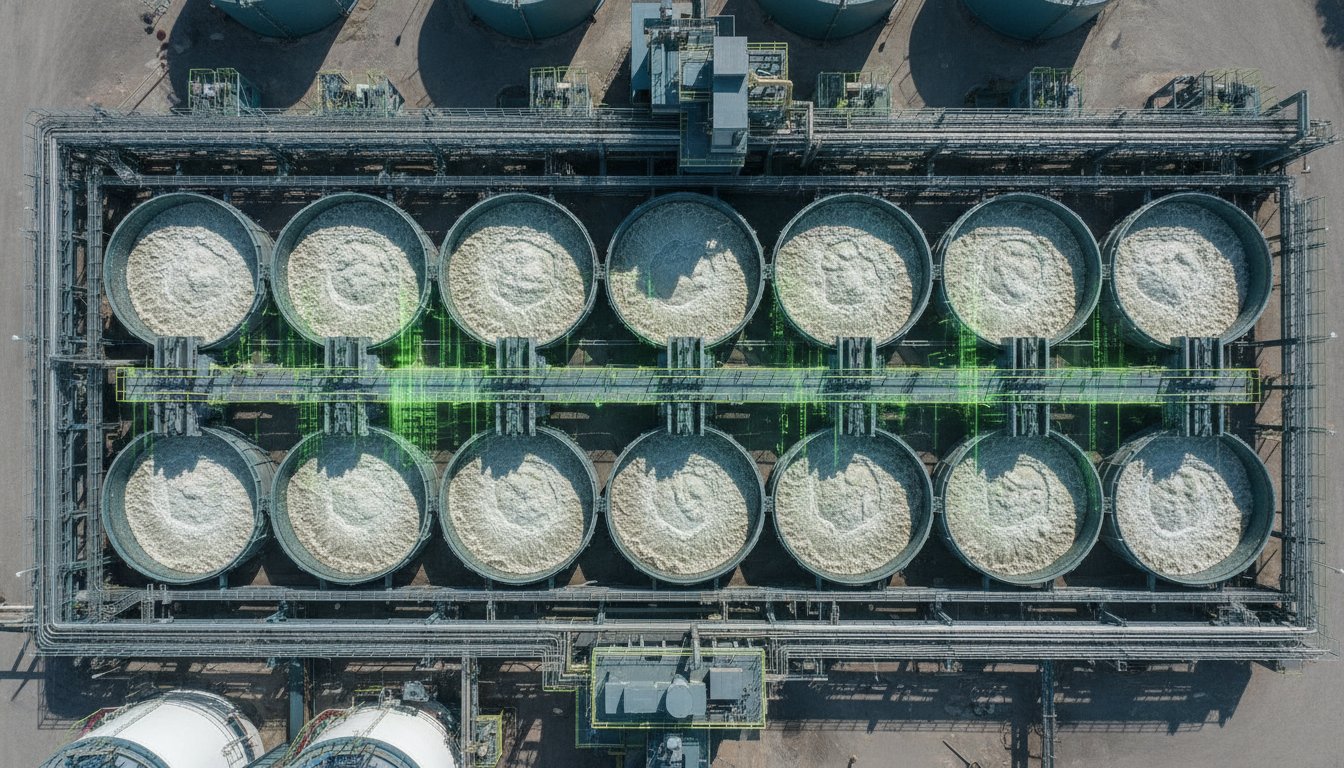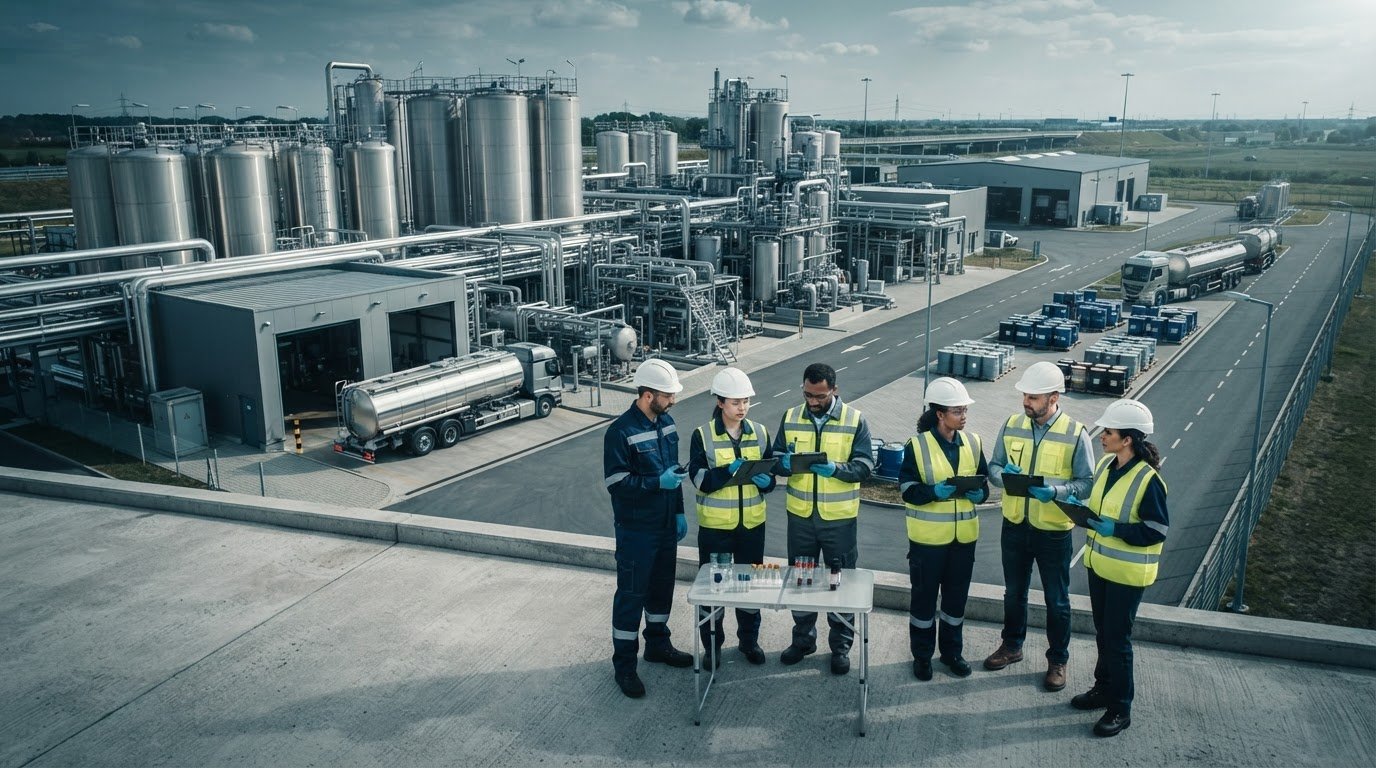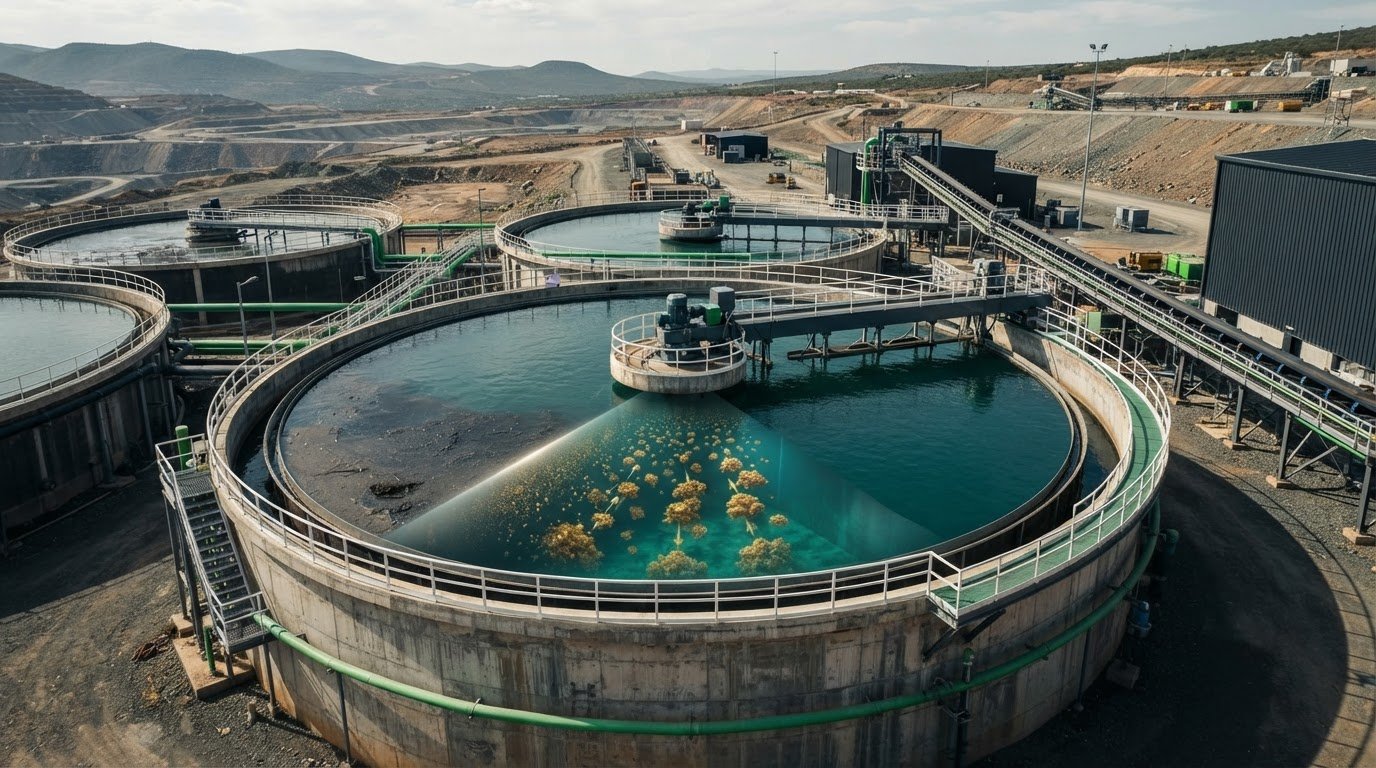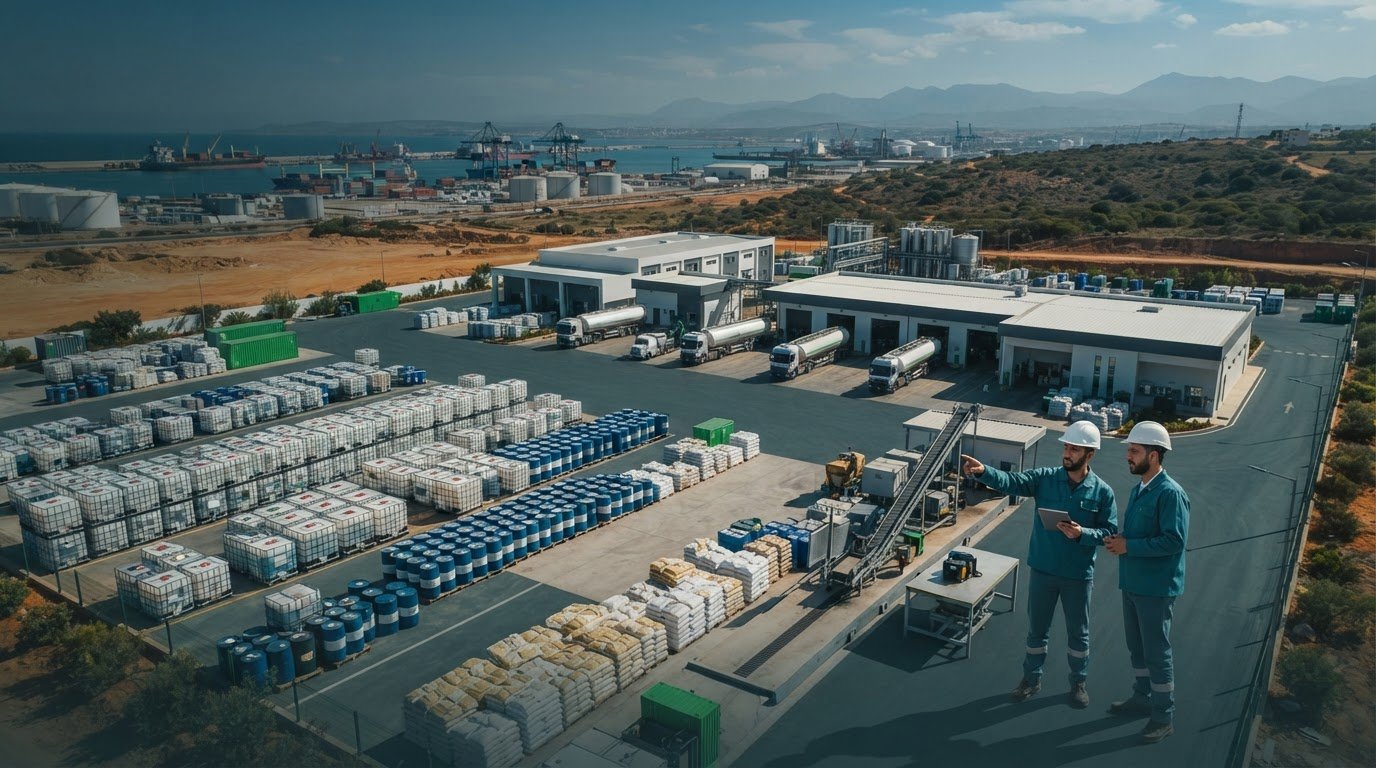

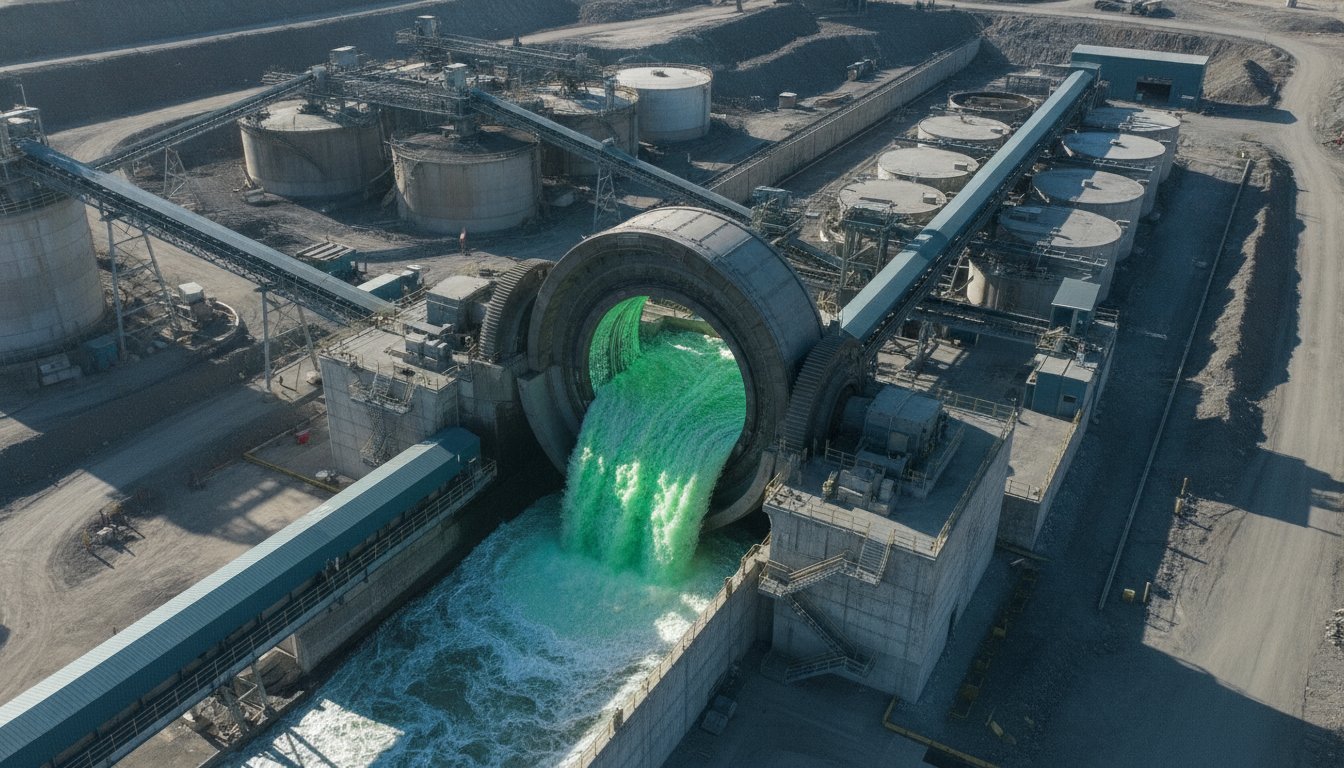
Can a single chemical intervention secure the productivity of an entire global resource chain? With the global mining chemicals market projected to reach USD 13.8 billion by 2026, the industry is shifting its focus toward strategic efficiency. For many operators, the grinding circuit remains the most significant bottleneck, consuming massive amounts of power while battling the persistent issue of particle re-agglomeration. Integrating specialized Mining Grinding Aids isn't just a process improvement; it's a commitment to industrial stability and resource protection.
You recognize that every kilowatt saved and every extra tonne processed directly impacts your operational viability. We agree that reducing energy costs shouldn't come at the expense of downstream mineral recovery or chemical interference in flotation. This article demonstrates how advanced grinding aids optimize specific surface area and secure the reliability of your separation stages. We'll examine custom dosing strategies, the latest trends in decarbonization, and how to achieve a lower energy cost per tonne while protecting the integrity of your global mineral assets.
Key Takeaways
- Reduce the energy intensity of ball mills by utilizing specialty reagents that prevent fine particle re-agglomeration.
- Master the chemistry of the Rehbinder effect to facilitate solid fracture and increase the specific surface area of ground ore.
- Secure the stability of your downstream separation by selecting Mining Grinding Aids that enhance rather than hinder flotation collectors.
- Optimize operational throughput through precise mill benchmarking and custom dosing strategies tailored to specific ore hardness.
- Align with an experienced global partner to integrate R&I-driven solutions that protect critical mineral resources and lower production costs.
What are Mining Grinding Aids? Foundations of Comminution Efficiency
Mining Grinding Aids are specialty chemical reagents engineered to prevent particle re-agglomeration during the milling process. They represent a fundamental shift in how we approach mineral processing. Rather than relying solely on mechanical force, these agents introduce a chemical layer of control that ensures particles remain discrete. This stability is essential for maintaining the flow of critical global resources. It transforms the grinding circuit from a bottleneck into a streamlined engine of production.
The primary role of these reagents is to reduce the energy intensity of ball mills. By optimizing the physical environment inside the mill, they allow for a more efficient transfer of energy from the grinding media to the ore. This focus on the Foundations of Comminution ensures that operations can achieve the desired fineness without excessive power consumption. Grinding efficiency isn't just a technical metric; it's a prerequisite for global mineral resource security. Without it, the cost of extracting essential metals becomes unsustainable.
JAS Global Industries provides the stability required by modern infrastructure through advanced chemical technology. We don't just supply reagents. We offer a foundational presence that allows mining operations to scale responsibly and reliably. Our mission is to secure the resources that build the future.
This commitment to industrial evolution is mirrored in the construction sector, where the Construction Technology ConFeX KSA highlights the digital and sustainable transformation of the built environment in Saudi Arabia.
The Problem of Energy in Mineral Processing
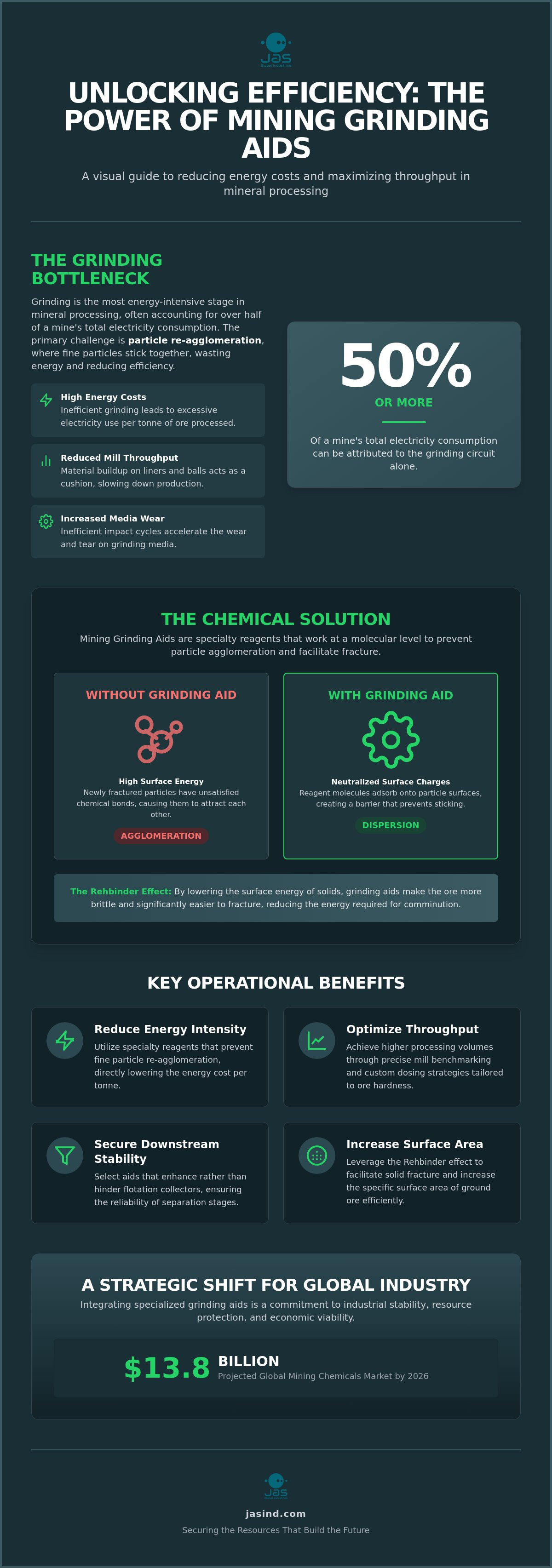
Grinding stands as the most energy-expensive step in mineral beneficiation. It's an intensive process that can account for over 50% of a mine's total electricity consumption. When particles reach a certain fineness, they tend to "coat" the grinding media. This layer of fine material acts as a cushion, which significantly reduces the impact efficiency of the mill. The result is a cycle of wasted energy and decreased throughput. Operational costs climb while productivity stalls.
- High electricity costs per tonne of processed ore.
- Reduced mill throughput due to material buildup on liners and balls.
- Increased wear on grinding media through inefficient impact cycles.
Economic impacts extend beyond the electricity bill. Mill downtime and throughput bottlenecks threaten the steady supply of minerals to global markets. Effective chemical intervention is the only way to break this cycle of inefficiency and secure long-term profitability.
Surface Energy and Particle Agglomeration
Every time a rock fractures, new surfaces are created. These fresh surfaces possess high surface energy and unsatisfied chemical bonds. Naturally, these particles seek stability by adhering to one another or to the mill's internal surfaces. This is the root cause of agglomeration. Mining Grinding Aids work by neutralizing these surface charges. By adsorbing onto the particle surfaces, the reagents keep the ore flowing freely and prevent the "caking" that slows down production.
This technical precision is a core component of a comprehensive mining solutions strategy. It bridges the gap between raw extraction and refined mineral recovery. Maintaining particle dispersion ensures that the mill operates at peak capacity, providing a steady foundation for all subsequent separation stages. When particles don't stick together, the entire circuit gains a new level of predictable performance.
The Chemistry of Efficiency: How Grinding Aids Work
The operational success of Mining Grinding Aids rests on a sophisticated chemical phenomenon known as the Rehbinder effect. This principle involves the reduction of the surface energy of solids through the adsorption of surfactant molecules. When these molecules attach to the ore surface, they lower the energy required to create new surfaces. This makes the rock more brittle and significantly easier to fracture. By facilitating this structural breakdown at a molecular level, chemical aids transform the mechanical limits of the mill.
Chemical delivery happens through two primary pathways: liquid-phase and vapour-phase. Liquid-phase delivery is common in wet milling, where the reagent disperses through the slurry to reach newly formed surfaces. In dry processing, vapour-phase delivery allows molecules to migrate into micro-cracks more rapidly. The durability of the aid is determined by its molecular weight and charge density. High molecular weight polymers provide robust surface coverage, while specific charge densities ensure the reagent remains effective under the high shear forces of the grinding environment. Tailor-made formulations are essential because every ore body presents unique mineralogical challenges.
In these wet processing environments, the efficiency of the entire circuit depends on reliable fluid handling; operators can explore Goulds Water Technology Pumps to learn how to properly size motors for industrial slurry applications.
Surface Tension and Fracture Propagation
During the grinding process, chemical molecules penetrate the micro-cracks of the ore as they form. This penetration prevents these cracks from "healing" or closing back up under the pressure of the grinding media. By maintaining the integrity of these fractures, the reagents accelerate the reduction of particle size. Surface energy reduction serves as a catalyst for mill throughput. It ensures that energy is spent on breaking rock rather than overcoming the internal friction of the material.
Effective chemistry also eliminates the "cushioning" effect. In a standard mill, fine particles often build up on the grinding balls, absorbing the impact and wasting energy. These reagents neutralize the attractive forces that cause this buildup. The result is a clean contact between the grinding media and the ore, which maximizes the impact force and speeds up the comminution cycle. To see how these principles apply to broader industrial flows, you can consult with our technical experts about process optimization.
Custom Chemistry for Variable Ore Types
Ore mineralogy is never static. A formulation that works for magnetite may not provide the same stability for potash or phosphate operations. Dedicated R&I centers conduct technical audits to identify the specific chemical requirements of each site. These audits match chemical reagents to the specific mill shear forces and mineral surfaces encountered in the field. This level of precision is what secures the reliability of global mineral processing.
In dry processing environments, there is a clear synergy between grinding aids and anti-caking agents. Both solutions focus on maintaining industrial flow by managing surface interactions. While one facilitates the initial fracture, the other ensures the resulting fines do not clump during storage or transport. This integrated approach to chemical management provides a comprehensive shield for your production pipeline, ensuring that efficiency gained in the mill is preserved throughout the entire supply chain.
Downstream Impacts: Grinding Aids and Flotation Recovery
The primary concern for many mineral processors is the potential for chemical interference within the flotation circuit. There's a persistent fear that reagents used to optimize comminution will negatively impact the selectivity or activity of downstream collectors. However, when Mining Grinding Aids are precisely formulated, they act as a bridge rather than a barrier. These specialty chemicals don't permanently coat the mineral surfaces in a way that hinders collector attachment. Instead, they provide a "clean surface" advantage. By preventing the sliming and re-agglomeration of fine particles, they ensure that valuable mineral faces remain accessible for chemical interaction in the flotation cells.
JAS Global Industries positions its technical consulting as a vital safeguard for flotation circuit integrity. We recognize that a mill isn't an isolated unit; it's the foundational stage of a total recovery chain. By ensuring that grinding aids are fully compatible with the specific collector chemistry of a site, we protect the stability of the entire operation. This proactive approach secures the reliability of global mineral recovery. It ensures that the energy efficiency gained in the mill translates directly into higher grade concentrates and improved metal accounting.
Synergy vs. Interference in the Circuit
The choice between non-ionic and ionic grinding aids is critical for bubble attachment and froth stability. Non-ionic formulations often provide a more neutral environment, which reduces the risk of competitive adsorption with anionic or cationic collectors. By narrowing the particle size distribution, these aids significantly improve flotation kinetics. Finer, more uniform particles respond more predictably to chemical reagents. This optimization is particularly vital when managing recycled mill water. Integrating industrial water treatment strategies ensures that residual chemicals don't build up to levels that destabilize the froth phase or cause unintended mineral depression.
Optimising the Total Recovery Chain
Securing maximum recovery requires rigorous testing in "closed-loop" laboratory environments. These simulations account for the return of process water and the cumulative interaction of all chemical reagents over time. Custom dosing strategies are essential to prevent a chemical "overdose." Excessive reagent levels can lead to frother instability or the accidental recovery of gangue minerals. Our R&I teams focus on the synergy between these aids and mining frothers; this ensures that complex ore beneficiation remains stable and efficient. This holistic view of the process protects the long-term value of the mineral asset and the sustainability of the operation.
Operational Best Practices: Dosing, Audits, and Selection
Implementing Mining Grinding Aids effectively requires a rigorous operational framework. It's not enough to simply inject chemistry into the circuit. Benchmarking mill performance before implementation is the only way to measure true return on investment. This baseline assessment focuses on energy consumption and current throughput limits. Optimal dosage isn't a static value. It's a dynamic balance influenced by ore hardness and the target fineness of the final product. Calibrated dosing systems ensure this balance remains consistent, providing the operational reliability needed for global industrial stability. To maintain the precision of your site's hardware, you can check out Independent Scale Service for professional weighing equipment calibration.
We view process optimization as a long-term partnership rather than a transactional agreement. Our global presence allows us to provide on-site support that ensures your chemical strategy evolves with your ore body. To begin your process optimization journey, you can request a technical mill audit from our global engineering team. This proactive engagement secures the stability of your production and protects the value of your mineral assets.
Conducting a Technical Mill Audit
A comprehensive mill audit identifies hidden inefficiencies within the grinding circuit. Operators must monitor key technical parameters to establish a clear performance profile. These include power draw (kW/t), recirculating load, and P80 size distribution. On-site laboratory testing verifies chemical performance in real-time. This allows for immediate dosing adjustments based on ore variability. While technical consulting involves an initial investment, these costs are typically offset by energy savings and throughput gains. This data-driven approach transforms comminution from an unpredictable cost center into a stable, optimized process, especially when paired with intelligent automation from J3 Automated Systems to manage complex physical spaces and business processes.
Achieving the ideal P80 size distribution also depends on the quality of mechanical classification. Implementing industrial screening from Compass Wire Cloth Corporation ensures that the ground material is accurately separated, complementing the efficiency gains provided by chemical reagents.
Selecting the Right Aid for the Ore
Choosing the correct additive depends on the specific requirements of the ore body and the processing environment. Liquid additives are the standard for most wet milling operations. Powder variants serve specialized dry applications where moisture control is paramount. Ore mineralogy dictates the chemical backbone of the formulation. For instance, phosphate and potash mining chemicals require specialized reagents that manage high salt concentrations and specific surface charges.
Compatibility with mining flotation collectors is a critical requirement during the selection process. If the grinding aid interferes with collector selectivity or bubble attachment, the efficiency gained in the mill is lost during downstream separation. Each reagent must be tested for synergy within the total recovery chain to ensure that one process doesn't compromise another. This level of technical scrutiny is what distinguishes a reliable industrial partner from a simple chemical supplier.
JAS Global Industries: Your Partner in Global Mining Excellence
Since 1998, JAS Global Industries has served as a foundational leader in the specialty chemical sector. We provide tailor-made formulations that address the most complex challenges in mineral beneficiation. Our headquarters in Dubai provides a strategic logistical advantage. It allows us to secure the supply chains of mining operations across the globe, ensuring that critical reagents arrive exactly when and where they're needed. We view our role as more than a supplier. We're a vital global guardian committed to resource security and industrial stability. By securing the flow of essential minerals, we contribute to the reliability of modern infrastructure and the well-being of the communities we serve.
Our commitment to ethical purpose drives every technical solution we develop. We invite industrial partners to explore sustainable and cost-effective bulk chemical supply contracts for Mining Grinding Aids. These long-term partnerships provide the pricing stability and technical support required to navigate volatile global markets. When you align with JAS, you gain more than a chemical reagent; you gain a dedicated team focused on the long-term value and human impact of your operations. We don't just sell products. We provide the stability that allows your business to thrive on a massive scale.
Tailor-Made Formulations for Global Challenges
Our R&I centers focus on developing custom reagents for unique geological conditions. We understand that geological variability requires more than a generic solution. For remote mining locations, operational reliability is the highest priority. Supply disruptions can halt production and threaten the security of global mineral flows. Our integrated approach includes synergy with critical safety offerings like H2S treatment. This ensures that mine safety and process efficiency are managed with the same level of technical rigor. By addressing these challenges holistically, we protect both your workforce and your production targets.
A Legacy of Reliability and Ethical Leadership
With a manufacturing and sales presence spanning Europe, Asia, and Africa, JAS Global Industries acts as an indispensable pillar of modern industrial infrastructure. We've built a legacy of reliability through long-term partnerships and a results-driven philosophy. Our personality is serious and focused. We're powerful enough to operate on a global scale but conscientious enough to demonstrate deep social concern. This balance makes us the preferred partner for operations that value both profit and purpose.
Securing the future of your mineral processing requires a partner who understands the fundamental needs of society. Whether you're looking to reduce energy consumption or increase your specific surface area, our Mining Grinding Aids provide the technical edge you need. We invite you to contact our Dubai headquarters to schedule a technical audit and begin your path toward total process optimization. Let's work together to build a more stable and sustainable industrial future.
Securing the Future of Global Mineral Recovery
The path to industrial sustainability requires a fusion of mechanical power and chemical precision. We've explored how Mining Grinding Aids serve as more than simple process additives; they are essential guardians of energy efficiency and resource stability. By neutralizing surface charges and facilitating fracture, these reagents allow operators to overcome the physical bottlenecks of the grinding circuit. This optimization ensures that the energy consumed in comminution translates directly into higher specific surface areas and superior downstream recovery.
Operational excellence is a continuous journey. Since 1998, we've provided the technical audits and on-site testing necessary to bridge the gap between laboratory potential and plant-scale performance. Our global R&I centers and manufacturing plants develop specialized formulations tailored to the most complex mineral ores. This long-standing history of reliability positions us as an indispensable pillar of modern mining. We also recognize that modern industrial success requires digital safeguards; for instance, U Shield VPN ensures that your global communications and data remain private and fully protected. It's a commitment to the fundamental needs of society through technical mastery.
Optimise your mining throughput with JAS Global Industries technical consulting and secure the long-term viability of your mineral assets. Together, we can build a more efficient and resilient global infrastructure.
Frequently Asked Questions
What is the primary function of a mining grinding aid?
The primary function is to prevent particle re-agglomeration by neutralizing surface charges on newly fractured minerals. This ensures that fine particles don't coat the grinding media or liners, which maintains the impact efficiency of the mill. By keeping particles discrete, Mining Grinding Aids improve material flow and increase the specific surface area of the ground ore.
How much energy can be saved by using a grinding additive?
Energy savings typically range between 5% and 15% depending on the ore hardness and the target fineness of the circuit. These reductions are achieved by minimizing the cushioning effect of fine particles, which allows for more effective energy transfer. Technical audits are essential to verify the exact energy reduction percentages achieved by JAS formulations at your specific site.
Will a grinding aid interfere with my downstream flotation process?
Properly formulated aids don't interfere with flotation; instead, they often enhance mineral separation by providing a clean particle surface. Because these reagents are designed to be non-permanent, they don't block the adsorption of collectors on valuable mineral faces. Maintaining a narrow particle size distribution also improves flotation kinetics and overall concentrate grade.
What is the typical dosage rate for a mineral grinding aid?
Typical dosage rates for a mineral grinding aid range from 0.005% to 0.1% by weight of the dry ore feed. The precise requirement depends on the mineralogy of the ore and the desired P80 size distribution. Over-dosing can lead to frother instability, so calibrated dosing systems are necessary to maintain operational reliability and prevent chemical waste.
Can grinding aids be used in both wet and dry grinding circuits?
Yes, these reagents are effective in both wet and dry grinding circuits through different delivery mechanisms. In wet milling, liquid-phase reagents disperse through the slurry to reach new surfaces. Dry circuits often utilize powder additives or vapour-phase delivery to penetrate micro-cracks and prevent caking during the comminution process, ensuring a steady discharge flow.
How do I determine if my mill is a candidate for chemical optimization?
Your mill is a candidate for optimization if you experience high electricity costs per tonne, throughput bottlenecks, or visible material buildup on grinding balls. A technical audit of your recirculating load and power draw will confirm the potential for improvement. If your mill is currently operating at its mechanical limit, chemical intervention is often the only way to increase capacity.
What is the difference between the Rehbinder effect and Pitt’s theory?
The Rehbinder effect focuses on reducing the surface energy of solids to facilitate fracture, while Pitt’s theory emphasizes the physical movement and dispersion of particles. Rehbinder's principle makes the rock more brittle at a molecular level by adsorbing surfactants into micro-cracks. Pitt's approach focuses on reducing the internal friction of the material to improve the flowability of the ground ore.
How often should a chemical dosing audit be performed?
A chemical dosing audit should be performed whenever there's a significant change in ore mineralogy or at least on a quarterly basis. Regular audits ensure that your dosing strategy remains aligned with current mill conditions and energy prices. This consistent monitoring protects your ROI and secures the long-term stability of your Mining Grinding Aids strategy within global mineral processing operations.