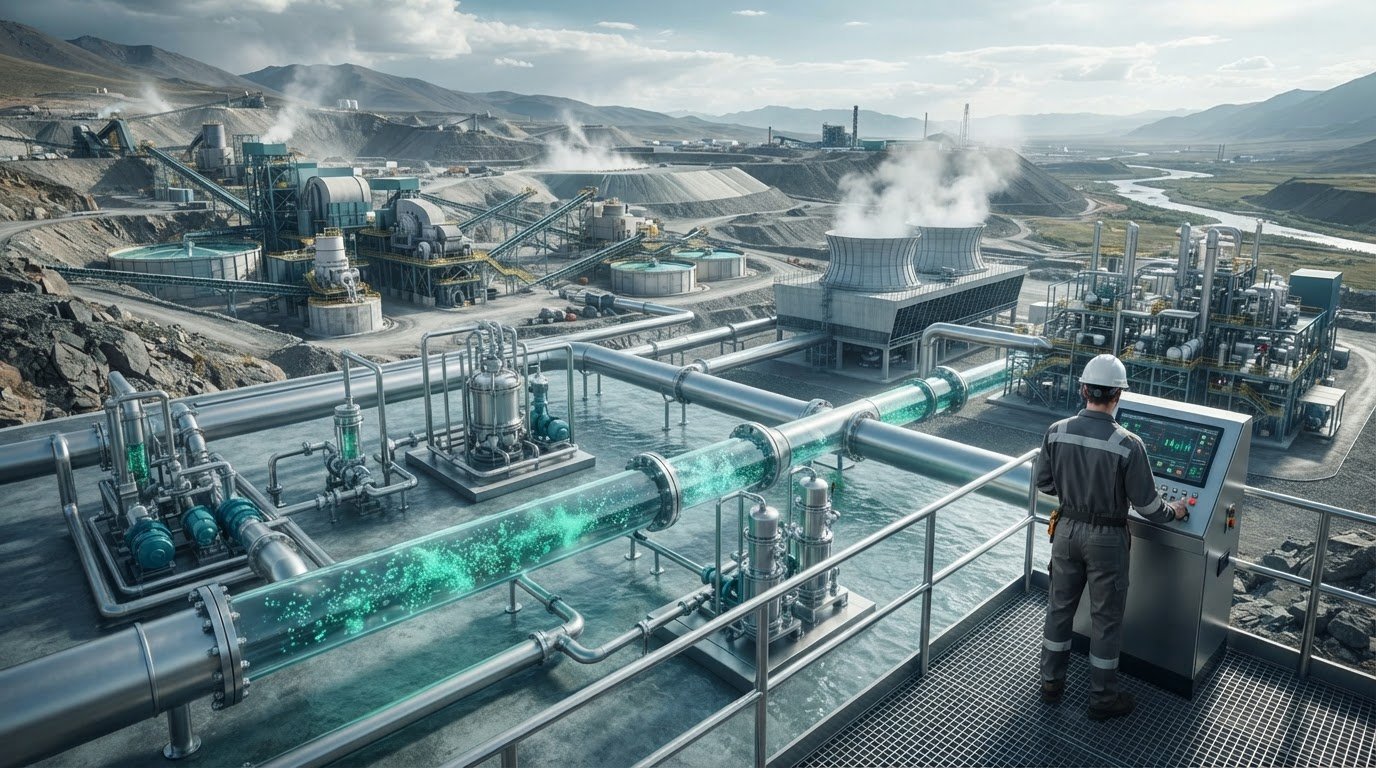


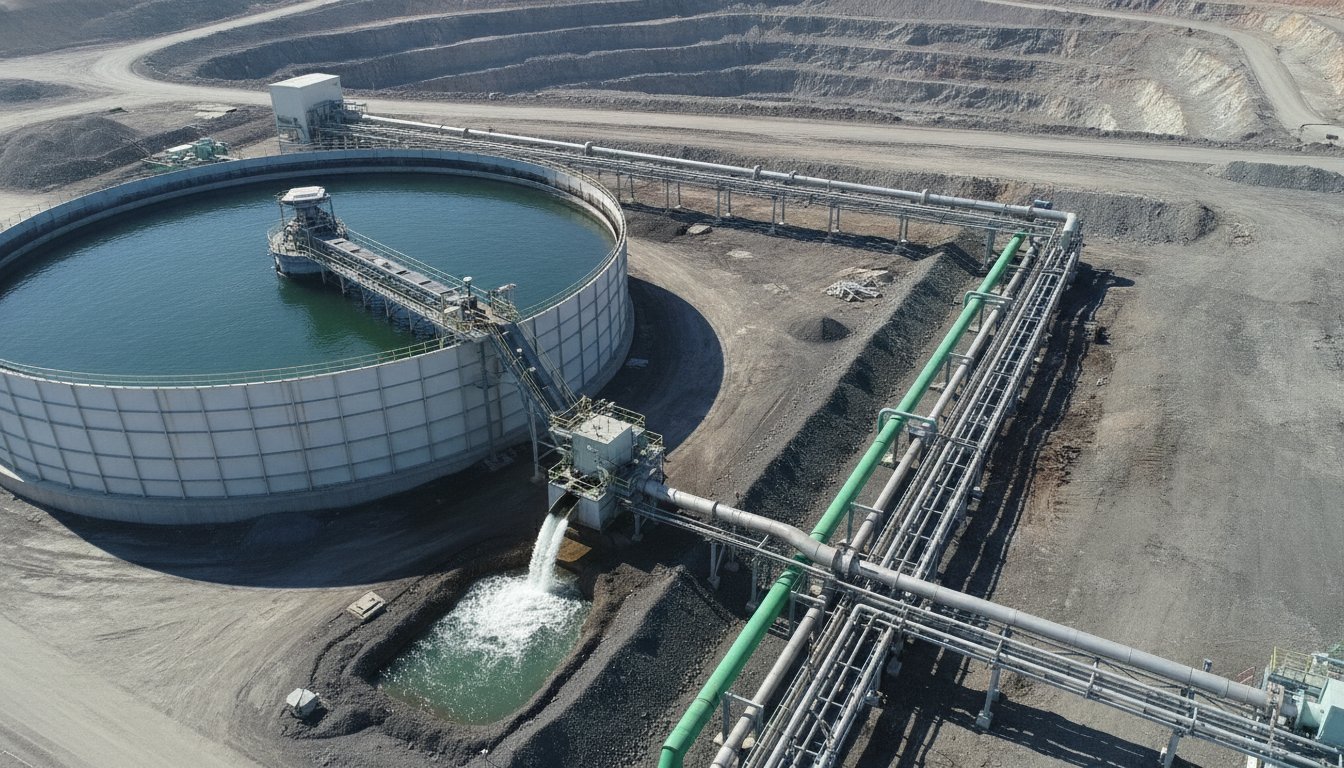
Did you know that innovative water recycling techniques can reduce freshwater consumption in mining by up to 60%? For many operators, the reality is often different. You're likely facing soaring procurement costs and the constant pressure of maintaining tailings dam stability under the Global Industry Standard on Tailings Management (GISTM). Improving water recovery from tailings isn't just an environmental goal. It's a core operational requirement for long-term security and site stability.
We recognize that inefficient thickener performance and high wastewater production are persistent obstacles to your success. You need drier tailings for safer storage and a significantly reduced environmental footprint. This guide provides a strategic roadmap to optimize your dewatering circuit. We'll explore how the synergy between advanced hardware and specialized chemical reagents, such as mining flocculants, can transform your waste stream into a reclaimed asset. Discover how the integration of mechanical filtration and molecular-level chemical strategies can maximize your site's water reuse and protect your license to operate.
Key Takeaways
- Understand the transition from viewing tailings as waste to treating them as a secondary water resource to mitigate high procurement costs.
- Evaluate the technical shift from conventional thickening to high-compression paste technologies for achieving safer, non-segregating slurry storage.
- Identify the specific chemical strategies, such as molecular bridging, essential for improving water recovery from tailings beyond the limits of mechanical hardware.
- Implement a rigorous 5-step framework to audit slurry rheology and benchmark thickener performance against your site's true design capacity.
- Discover how custom-formulated mining solutions provide the technical stability needed to protect critical global resources and optimize complex ore processing.
The Strategic Importance of Improving Water Recovery from Tailings
Global resource security begins at the mineral processing plant. For decades, the industry viewed the byproduct of extraction as a burden to be managed and stored. Today, that perspective has shifted. Leading operators now recognize that tailings represent a secondary water resource that is vital for operational continuity. Improving water recovery from tailings is no longer an optional sustainability goal. It's a financial and safety imperative that defines the modern mining enterprise.
The economic drivers are undeniable. Freshwater procurement costs are rising globally, particularly in arid regions where desalination is the only viable alternative. Desalination is energy-intensive and capital-heavy. By maximizing internal water loops, mines can significantly reduce their reliance on external sources. Statistics indicate that innovative water recycling techniques can reduce water consumption in mining by up to 60%. Beyond the balance sheet, water recovery is a critical tool for risk mitigation. Increasing the solids concentration in the slurry improves the geotechnical stability of storage facilities. Drier tailings mean a lower risk of dam failure and a more predictable long-term closure process. It's about protecting the asset, the people, and the surrounding environment.
Environmental and Regulatory Drivers in 2026
Operational Benefits of High-Recovery Circuits
A high-recovery circuit offers immediate mechanical advantages. By decreasing the volume of slurry pumped to storage, operators reduce wear on infrastructure and lower the energy footprint of transport systems. This efficiency extends into the mill itself. Cleaner recycled water, free from excessive suspended solids, improves mineral processing yields. When the water returned to the plant is high quality, it supports downstream flotation and grinding rather than hindering them. This holistic approach ensures that every drop of water serves a productive purpose before it ever reaches the storage facility.
Evaluating Tailings Dewatering Technologies: From Conventional to Paste
Mechanical separation serves as the first line of defense in protecting precious water resources. Improving water recovery from tailings involves selecting a dewatering technology that balances throughput with the desired moisture content of the final waste. The journey from conventional slurries to dry stacking represents a significant technological shift. It impacts both the safety of storage facilities and the efficiency of the entire mine site.
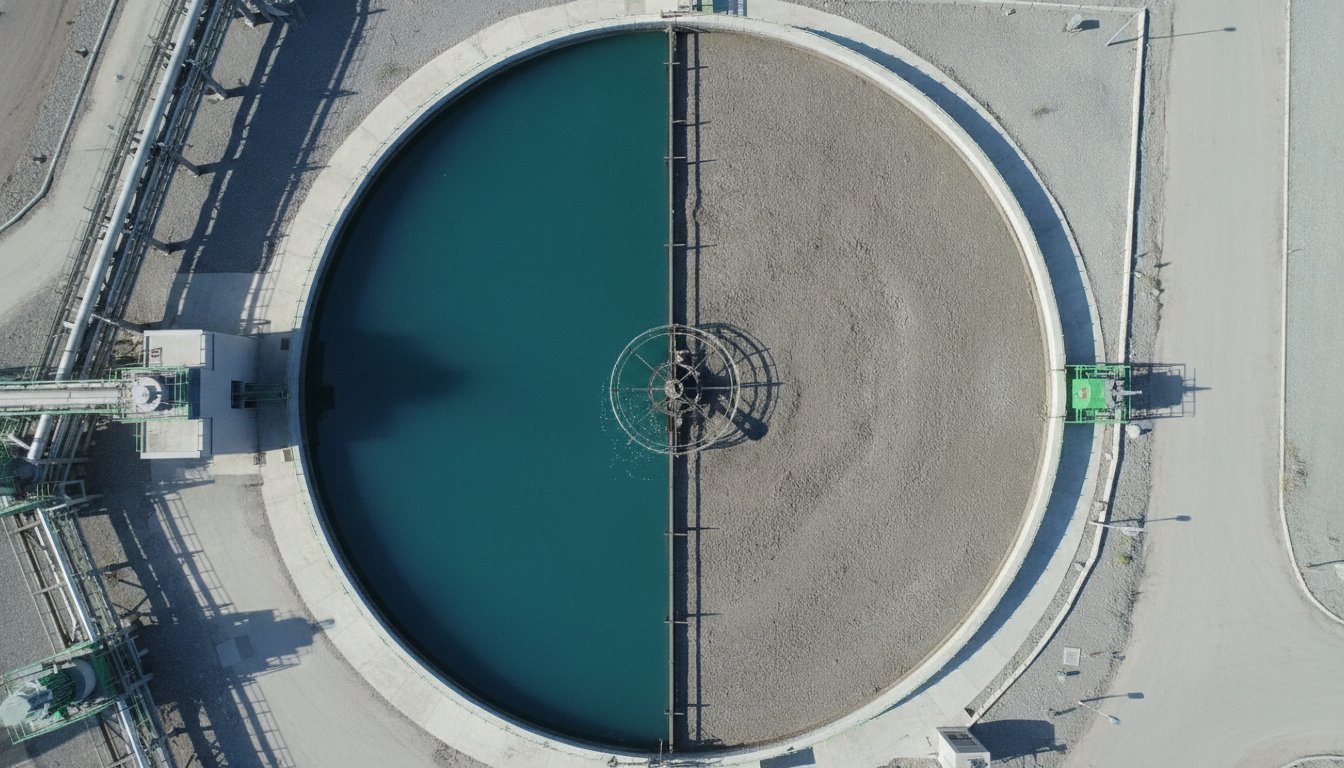
Conventional thickening remains the baseline for many operations. These systems rely on gravity-driven settling in large, shallow tanks to separate solids from the liquid phase. While reliable and cost-effective, conventional methods often fail to achieve the high solids concentration required for modern environmental standards. As ore bodies become more complex, the limitations of simple gravity settling become more apparent. You'll likely find that significant volumes of water remain trapped in the underflow, water that could have been recycled back into the grinding or flotation circuits.
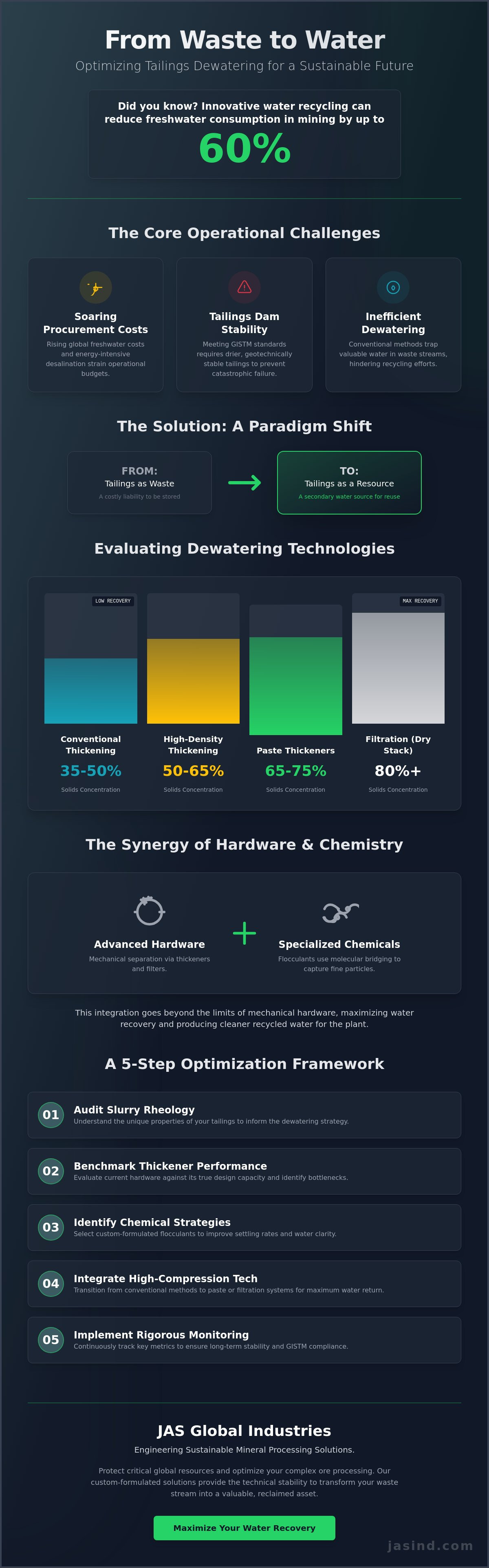
- Conventional Thickening: Typically achieves 35% to 50% solids concentration.
- High-Density Thickening: Reaches 50% to 65% solids through deeper bed compression.
- Paste Thickeners: Produces 65% to 75% solids for non-segregating storage.
- Filtration (Dry Stack): Reaches 80%+ solids, maximizing water return to the plant.
Conventional vs. High-Density Thickeners
The Move Toward Dry Stack Tailings
Reaching the ultimate threshold of water recovery requires a shift to filtration. Pressure filtration typically yields the highest water return by mechanically forcing moisture from the cake. While capital costs are substantial, the long-term savings from reduced procurement and lower closure liabilities are compelling. Integrating industrial water treatment principles ensures reclaimed water is suitable for immediate reuse. Following current industry practices in mine water treatment, sites now view filtration as essential for closed-loop success.
Selecting the right hardware is only half the battle. True optimization requires a deep understanding of the chemical interactions within the slurry. For sites looking to enhance their existing infrastructure, implementing sustainable mineral processing strategies can bridge the gap between current performance and design capacity.
The Role of Specialty Chemicals in Overcoming Dewatering Bottlenecks
While hardware provides the physical infrastructure for separation, chemistry provides the control. Mechanical systems often fail to reach peak performance because the slurry's molecular behavior resists dewatering. Improving water recovery from tailings requires a sophisticated chemical strategy that addresses the unique mineralogical profile of the ore. Without the right reagents, even the most advanced thickener remains an underperforming asset. It's the interaction between the chemical and the particle that determines the ultimate success of the recovery circuit.
Mineralogy dictates the success of any dewatering effort. Silicate-heavy ores behave differently than those rich in swelling clays. Clays often trap water within their layered structures, resisting compression and increasing the viscosity of the underflow. Overcoming these mineral-specific challenges requires a molecular-level intervention. By accelerating settling rates through molecular bridging, specialty flocculants can force water out of these complex matrices. This isn't just about speed; it's about the clarity and volume of the recovered water return.
The effectiveness of these reagents is deeply tied to the ambient water chemistry. Variations in pH and salinity can cause polymer chains to coil or degrade, rendering them ineffective. In high-salinity mining operations, standard polymers often lose their reach and ability to bridge particles. Improving water recovery from tailings in these conditions requires salt-tolerant formulations that maintain their structural integrity. This level of chemical precision ensures that water is released efficiently, protecting the stability of the site and the surrounding ecosystem.
Optimizing Flocculant Selection and Dosing
Choosing between anionic and cationic flocculants depends on the surface charge of the solids. Most mineral surfaces carry a negative charge, making anionic flocculants the industry standard for many operations. However, the presence of specific metal ions can shift this balance, requiring a more nuanced approach. Proper dilution and aging of these reagents are vital for ensuring the polymer chains are fully extended and ready to interact. Excessive chemical application can lead to steric stabilization, where over-saturated particles actually repel each other and decrease dewatering efficiency.
Advanced Dispersants and Coagulants
Ultra-fine particles often escape standard thickener circuits, resulting in cloudy overflow that is unsuitable for plant reuse. Coagulants work by neutralizing these surface charges, allowing the smallest particles to aggregate into larger masses before flocculation begins. This synergy between coagulants and high-molecular-weight flocculants is essential for achieving a clear water return. In filtration stages, leveraging surfactant chemistry can significantly reduce the moisture content of filter cakes. Lowering surface tension allows water to flow more freely through the cake, resulting in a drier, safer product for dry stack storage.
A 5-Step Framework for Optimizing Tailings Water Recovery
Operational excellence in mineral processing is built on a foundation of measurable data. Improving water recovery from tailings requires a transition from reactive adjustments to a structured, data-driven framework. This five-step process ensures that every mechanical and chemical asset on your site operates at its peak potential. By moving from macro-level observations to micro-level refinements, you can close the gap between current performance and your site's maximum design capacity.
Audit and Benchmarking (Steps 1-2)
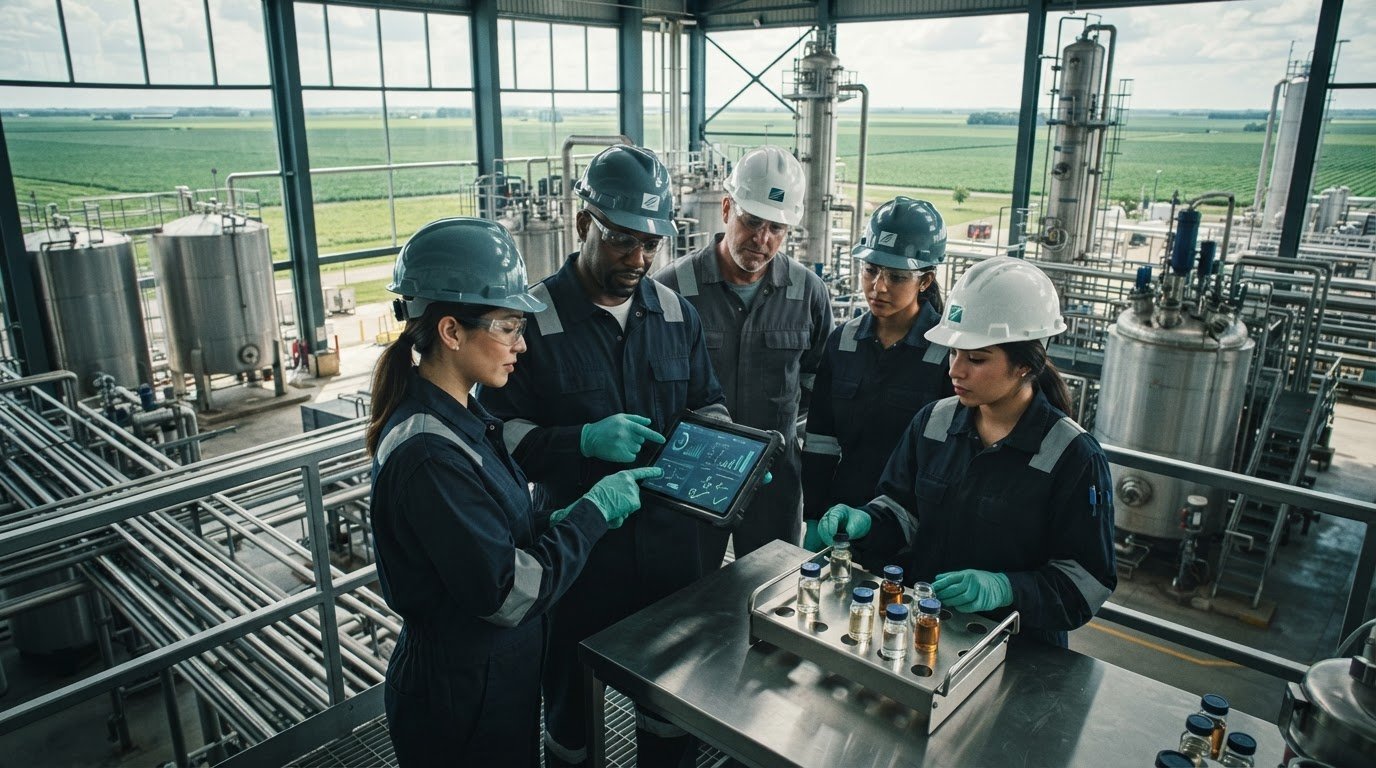
Success begins with a comprehensive mineralogical and rheological slurry audit. You must identify specific 'clay-rich' zones in your ore body that disrupt settling and increase underflow viscosity. These zones often cause sudden drops in thickener efficiency. Once you understand the material, benchmark your current thickener performance against its original design capacity. Measure rise rates and underflow densities with precision to find the hidden water loss that traditional monitoring might miss. Setting realistic recovery KPIs based on these site-specific constraints allows you to track progress with absolute clarity. It's about defining the baseline for stability.
Chemical and Process Refinement (Steps 3-5)
The third step involves rigorous laboratory jar testing. This process identifies the ideal reagent chemistry for your current ore blend. You shouldn't simply rely on historical dosing rates. Translate these laboratory findings into full-scale plant settings by adjusting for shear and residence time. Step four focuses on implementation. Integrate automated dosing controls that respond to real-time feed solids. This dynamic approach prevents both under-dosing, which leads to cloudy overflow, and over-dosing, which wastes resources and hinders dewatering. Automation ensures consistent performance despite ore variability.
The final step is an audit of the recycled water quality. You must monitor return water clarity to prevent reagent buildup in the mill. High levels of residual flocculant in the process water can interfere with upstream flotation, reducing mineral yields and complicating the entire circuit. Maintaining a clean water loop protects the integrity of your primary extraction process. To secure your site's water future, you need a partner who understands the intersection of chemical innovation and industrial stability. Partner with JAS Global Industries to implement this framework and achieve sustainable water security.
- Step 1: Conduct a comprehensive mineralogical and rheological slurry audit.
- Step 2: Benchmark current thickener performance against design capacity.
- Step 3: Perform laboratory jar testing to optimize reagent selection.
- Step 4: Implement automated dosing controls based on real-time feed solids.
- Step 5: Audit the recycled water quality for impact on upstream flotation.
Data drives stability. By following this structured path, you transform improving water recovery from tailings from a complex challenge into a manageable, repeatable process. This framework ensures your operation remains a responsible guardian of local water resources while maximizing its own internal efficiency.
JAS Global Industries: Engineering Sustainable Mineral Processing Solutions
JAS Global Industries stands as a foundational pillar for the world's most critical mineral operations. From our global headquarters in Dubai, we provide the technical stability needed to secure essential resources across six continents. Improving water recovery from tailings is more than a technical challenge; it's a mission to protect the stability of global water supplies. We act as a vital guardian, ensuring that industrial progress does not come at the expense of environmental security. Our role is to bridge the gap between heavy industry and ethical resource management.
We don't view ourselves as a mere supplier. We are an integrated partner in your site's long-term success. By framing our chemical innovations as essential contributors to global infrastructure, we elevate the standard of mineral processing. Our commitment to reliability is rooted in a deep corporate history of excellence. We understand that in the mining sector, stability is everything. Every reagent we ship and every audit we conduct is designed to reinforce the safety and efficiency of your operation. Securing resources. Empowering industry.
Tailor-Made Formulations for Tailings Management
One-size-fits-all chemistry has no place in a modern dewatering circuit. Our Research and Innovation (R&I) approach focuses on developing site-specific mining flocculants and dispersant agents. These formulations are engineered to address the specific rheology of your unique ore body. In high-clay phosphate mining, for example, our custom reagents have successfully improved settling rates where standard industry polymers failed. We ensure operational reliability through consistent bulk chemical supply and rigorous quality control. Our mining solutions provide the molecular precision needed to handle the most complex ore bodies on the planet.
The JAS Partnership Model
The JAS model goes beyond the transactional. We provide the technical consulting necessary to optimize plant yields and reduce your environmental footprint. Improving water recovery from tailings requires a holistic view of the mine site, and our team is equipped to provide that perspective. We conduct comprehensive on-site technical audits to identify efficiency gaps in your dewatering circuit. This partnership ensures your infrastructure remains resilient against changing ore grades and environmental regulations. Our specialists work alongside your team to implement the 5-step framework discussed earlier, turning theoretical recovery targets into operational reality.
Operational security is the result of focused expertise. If you're ready to enhance your site's efficiency and protect your social license to operate, Contact JAS Global Industries for customized tailings optimization strategies. We provide the wisdom and the chemistry needed to lead the industry toward a drier, safer, and more sustainable future. Protecting resources. Securing the future.
Empowering Global Resource Stability through Technical Excellence
The transition from viewing tailings as waste to treating them as a vital water resource is the foundation of modern mining security. We've explored how the synergy of advanced dewatering hardware and molecular-level chemistry creates a resilient, closed-loop system. This approach protects both your operational continuity and the surrounding environment. Improving water recovery from tailings is no longer a distant sustainability goal. It's a technical reality achievable through a structured, data-driven framework and site-specific reagent strategies.
JAS Global Industries has been a trusted partner in this mission since 1998. With multiple global R&I centers and specialized formulations for phosphate and potash mining, we provide the technical stability needed for complex ore processing. We stand as a vital guardian of your resources, ensuring your recovery circuit performs at its maximum design capacity. Our expertise turns waste streams into reclaimed assets, reinforcing the stability of the global mineral supply chain.
Optimize your tailings recovery with JAS Global Industries' specialty chemicals and secure your site's operational future. Let's build a more resilient and responsible industry together.
Frequently Asked Questions
What is the most effective technology for improving water recovery from tailings?
Filtration is the most effective technology for reaching the highest percentage of water return. While conventional thickeners are standard, pressure and vacuum filters achieve over 80% solids concentration. This level of dewatering facilitates dry stacking, which significantly reduces the physical footprint of storage. It's a strategic choice for sites where water scarcity or dam stability is a primary concern.
How do clay minerals affect the dewatering process in mining?
Clay minerals decrease dewatering efficiency by trapping water within their layered molecular structures. These swelling clays increase the viscosity of the slurry, making it difficult for water to escape during thickening. Improving water recovery from tailings in clay-rich ores requires specialized dispersants and high-performance flocculants. These reagents neutralize surface charges and force the release of trapped moisture.
Can chemical flocculants improve the stability of a tailings dam?
Chemical flocculants directly improve tailings dam stability by increasing the underflow solids concentration. Higher solids mean less free water is sent to the storage facility, which reduces seepage risks and pore pressure. By creating a denser, more predictable tailings product, these chemicals act as a foundational tool for geotechnical security and long-term facility integrity.
What is the difference between thickener underflow and filtered tailings?
Thickener underflow is a pumpable slurry that typically contains between 35% and 75% solids, depending on the thickener type. Filtered tailings are a non-pumpable cake with over 80% solids, produced by mechanical press or vacuum systems. The transition from underflow to filtered tailings represents the peak of water reclamation and enables the transition to safer dry stack storage.
How does water recovery impact the cost of mineral processing?
Water recovery lowers the total cost of mineral processing by reducing the need for expensive freshwater procurement and desalination. It also decreases the energy required to pump large volumes of liquid slurry to storage facilities. Efficient water loops protect the mine's budget from rising utility costs while ensuring a stable supply for critical plant operations.
Is it possible to achieve Zero Liquid Discharge (ZLD) in mining?
Achieving Zero Liquid Discharge is possible through a combination of high-compression thickening, filtration, and advanced water treatment like reverse osmosis. While ZLD requires significant capital investment, it's becoming a benchmark for sites in extreme water-stressed regions. This closed-loop approach ensures that every drop of process water is reclaimed and reused within the mine's boundaries.
How often should flocculant dosing be audited in a tailings circuit?
Flocculant dosing should be audited at least once per shift, though real-time automated monitoring is the preferred industry standard. Ore mineralogy changes as mining progresses through different zones, meaning a fixed dosing rate often leads to inefficiency. Continuous audits prevent over-dosing, which can actually hinder dewatering, and ensure the recovery circuit remains optimized for the current feed.
Does recovering water from tailings affect the flotation process upstream?
Recovering water from tailings can affect upstream flotation if the recycled water contains high levels of residual reagents. Improving water recovery from tailings must include monitoring the clarity and chemical composition of the return water. If residual flocculants or coagulants enter the mill, they can interfere with flotation collectors and reduce mineral recovery rates. Clean water return is vital for plant stability.