
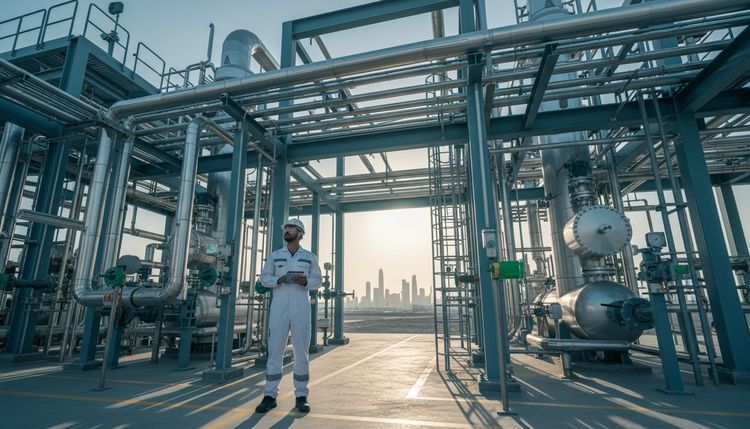
Hydrogen sulfide isn't just a byproduct; it's a silent predator that can compromise twenty-five years of infrastructure integrity in a single season of neglect. According to the Bureau of Labor Statistics, hydrogen sulfide was responsible for 46 workplace fatalities between 2011 and 2017. You know that managing this toxic gas is a relentless battle against rapid corrosion and catastrophic risk. Implementing a robust h2s treatment strategy is the only way to ensure your facility remains a pillar of reliability. Protecting assets. Preserving lives.
At JAS Global Industries, we view industrial safety as a foundational element of global security. This guide empowers you to master the technical fundamentals, safety protocols, and chemical solutions required to effectively mitigate hydrogen sulfide risks. You'll gain a clear chemicals management plan to secure your working environment and significantly extend the lifespan of expensive infrastructure. We'll examine the precise chemistry and operational standards that transform hazardous sites into models of sustainable, secure industrial performance.
Key Takeaways
- Recognize the "triple threat" of health risks, chemical corrosion, and environmental non-compliance to establish a foundation for secure industrial operations.
- Compare the technical efficiencies of physical, biological, and chemical h2s treatment methods to determine the most effective mitigation strategy for your facility.
- Master the execution of technical audits and dosing strategies to implement a precision-based chemicals management plan tailored to your specific flow rates.
- Leverage JAS Global Industries’ twenty-five-year legacy of manufacturing relationships to access advanced specialty chemical formulations for mining and gas treatment.
Understanding Hydrogen Sulfide (H2S) and the Necessity of Industrial Treatment
Hydrogen sulfide (H2S) is a colorless, toxic, and highly corrosive gas that poses a critical challenge to modern industrial infrastructure. Often referred to by synonyms such as sour gas, sewer gas, sulfurated hydrogen, or stink damp, its presence indicates a need for immediate h2s treatment to prevent systemic failure. This gas is not merely an operational nuisance; it's a lethal byproduct that compromises both human safety and mechanical integrity. At low concentrations, H2S is famous for its distinct rotten egg odor. However, relying on the sense of smell is a fatal mistake in industrial settings. High concentrations trigger olfactory fatigue, a dangerous phenomenon where the human nose becomes paralyzed and loses the ability to detect the gas. This creates a false sense of safety while toxic levels continue to rise.
Several critical industries face constant exposure to this gas. These sectors require rigorous management protocols to maintain operational continuity:
- Mining: H2S often accumulates in underground pockets or as a byproduct of mineral processing.
- Water Treatment: Anaerobic conditions in wastewater systems and desalination plants frequently generate high volumes of the gas.
- Fertilizer Manufacturing: The production of sulfur-based nutrients involves complex chemical reactions where H2S management is vital for worker safety.
The Chemistry of "Sour" Environments
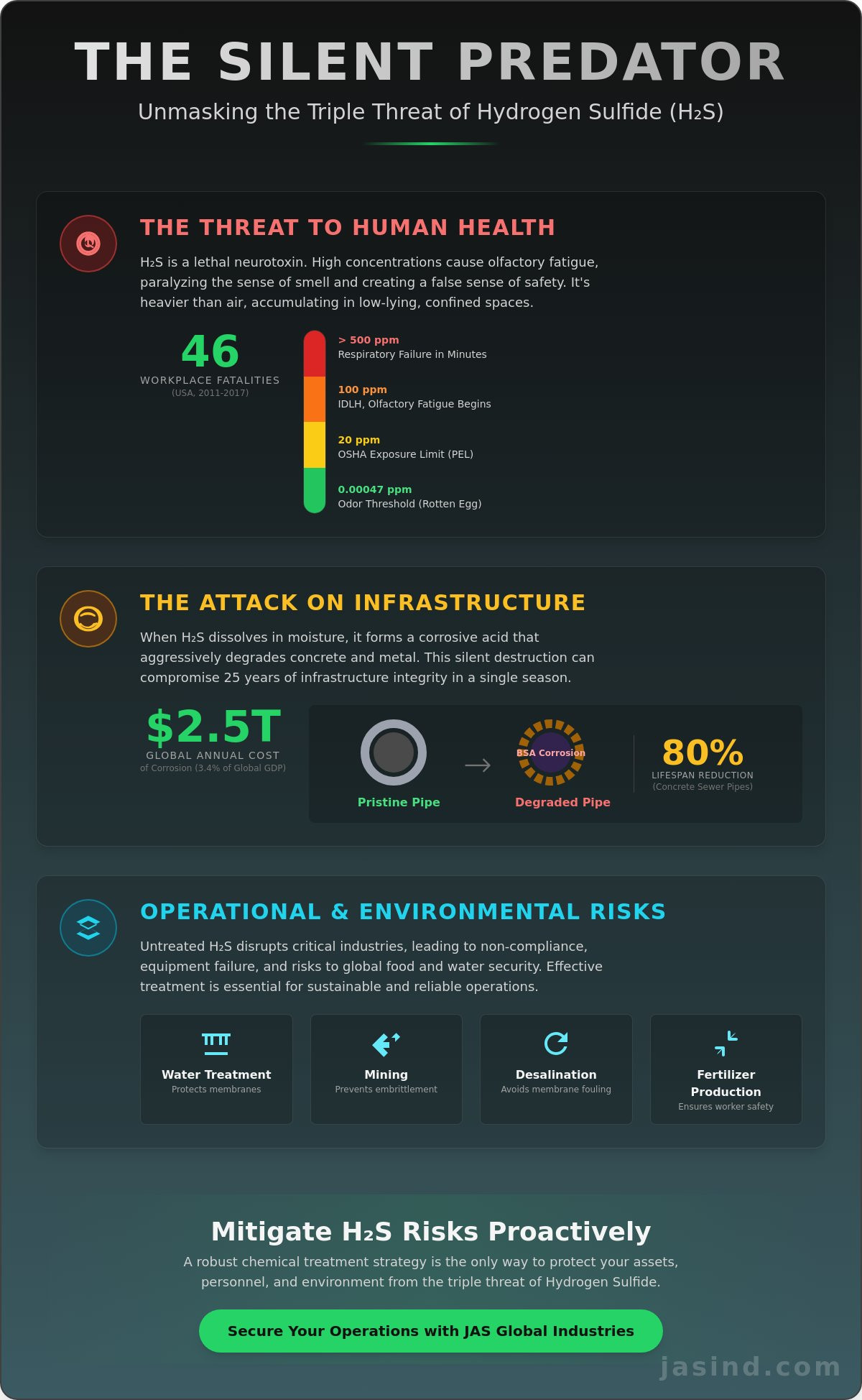
H2S forms through the anaerobic decomposition of organic matter or during specific high-heat industrial reactions. It's a highly soluble gas. When it dissolves in water, it creates a weak acid that significantly lowers pH levels, leading to the rapid degradation of concrete and metal alloys. While the human nose can detect H2S at an odor threshold as low as 0.00047 parts per million, the toxic threshold representing immediate danger to life and health is established at 100 parts per million by NIOSH.
Global Security and Resource Protection
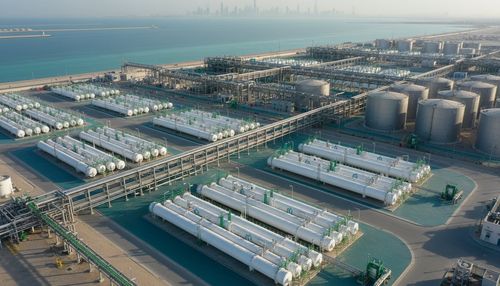
Effective h2s treatment is a fundamental pillar of global water security. In desalination plants, removing this corrosive gas is essential to protect expensive reverse osmosis membranes from premature fouling and failure. Beyond water, gas treatment plays a decisive role in ensuring safe fertilizer production, which directly impacts global food security. The economic stakes are high. A 2016 NACE International study estimated the global cost of corrosion at $2.5 trillion, which is approximately 3.4% of the global GDP. A significant portion of this economic burden is attributed to untreated H2S in global supply chains. By implementing advanced chemical additives and scavenging technologies, industries protect the vital infrastructure that sustains modern society.
The Triple Threat: Health, Corrosion, and Environmental Compliance
Hydrogen sulfide presents a lethal trifecta of risks. It targets human biology, structural assets, and the global environment simultaneously. Exposure at 100 ppm triggers olfactory fatigue, where the victim loses the ability to smell the gas entirely. By 500 ppm, respiratory failure occurs within minutes. Beyond human health, the chemical impact is equally devastating. When H2S dissolves in moisture, it creates a corrosive environment that dissolves concrete and weakens steel. This process, known as Biogenic Sulfuric Acid (BSA) corrosion, can reduce the lifespan of concrete sewer pipes by 80% if left unmanaged. Effective h2s treatment isn't just a safety protocol; it's an essential strategy for infrastructure longevity.
Occupational Health and Safety Standards
Safety begins with rigorous adherence to established limits. The OSHA Permissible Exposure Limit (PEL) is currently set at 20 ppm for general industry. NIOSH defines 100 ppm as Immediately Dangerous to Life or Health (IDLH). Fixed gas detection systems are mandatory in high-risk zones, especially since H2S is heavier than air and settles in confined spaces. Workers must utilize personal PPE and multi-gas monitors to detect secondary contamination in industrial hot zones. Protecting personnel ensures the continuity of global operations.
Infrastructure Integrity and Corrosion Control
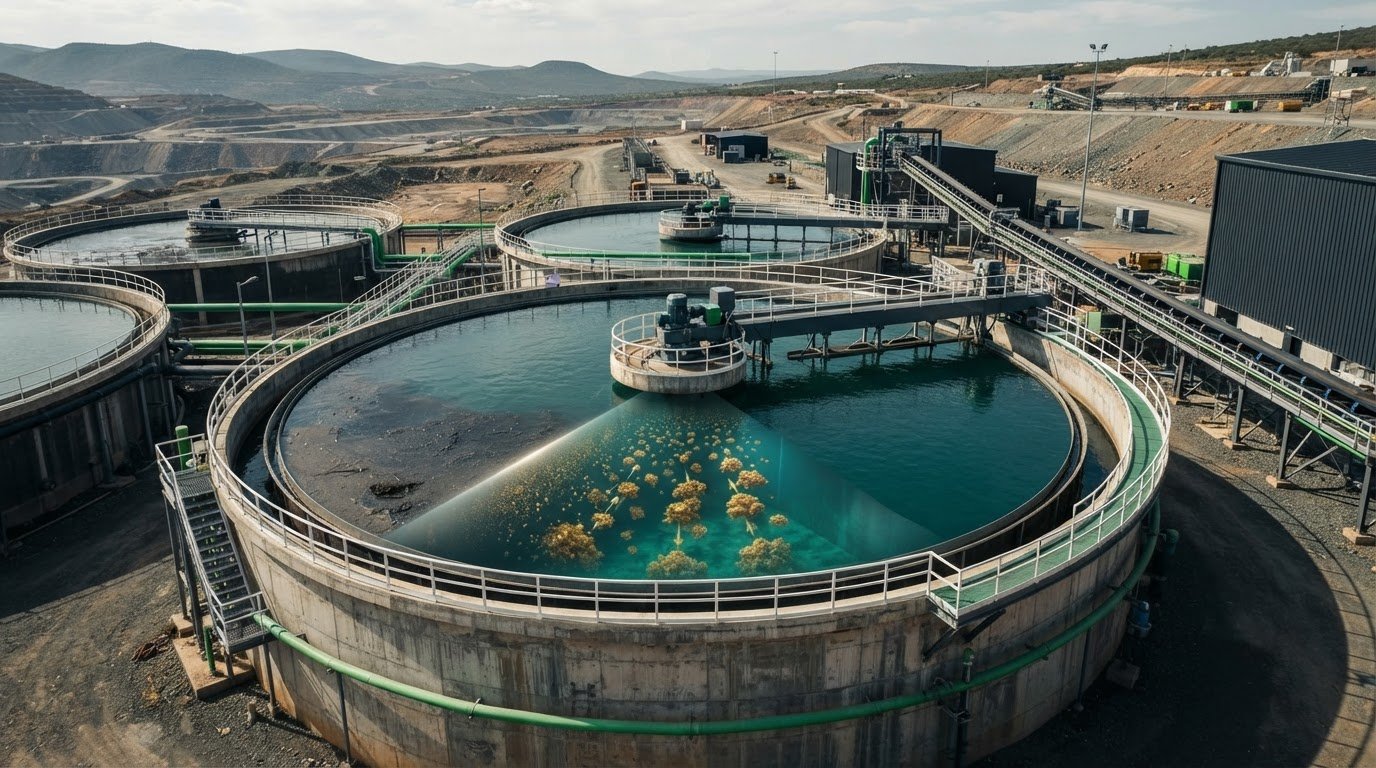
In mining flotation circuits and water treatment facilities, H2S causes rapid degradation. Hydrogen embrittlement is a specific concern where hydrogen atoms penetrate high-strength steel, causing sudden, catastrophic failure without warning. In thermal desalination plants, H2S levels must be controlled to prevent surface degradation of heat exchangers. Utilizing chemical inhibitors and advanced h2s treatment solutions preserves these assets. This proactive approach supports water security initiatives by preventing equipment downtime and ensuring reliable supply.
The environmental cost of neglect is high. Sulfur emissions contribute to acid rain, which typically has a pH of 5.0 or lower. This acidity damages soil chemistry and aquatic life across entire regions. While some operators view chemical additives as an added expense, the data suggests otherwise. The cost of a single major equipment failure often exceeds the annual budget of a comprehensive treatment program by 500% or more. Investing in chemical stability is the only way to ensure long-term profitability and environmental stewardship.
- Olfactory Fatigue: Occurs at 100 ppm, removing the body's natural warning system.
- Structural Failure: H2S induced corrosion can lead to a 10mm per year metal loss in high-velocity zones.
- Regulatory Risk: Non-compliance with sulfur emission standards can result in daily fines exceeding $50,000 in certain jurisdictions.
Primary H2S Treatment Technologies and Chemical Scavenging Methods
Industrial hydrogen sulfide management demands a strategic choice between physical, biological, and chemical processes. Physical methods like air stripping or degasification focus on separation rather than transformation. Biological systems use specialized sulfur-oxidizing bacteria to consume the gas. While these are effective for consistent loads, chemical h2s treatment remains the most versatile solution for fluctuating gas concentrations. Chemical scavenging provides immediate reaction speeds and high efficiency across diverse industrial environments, ensuring the protection of critical infrastructure.
Chemical reagents convert H2S into stable, non-toxic products. Modern formulations often target the production of elemental sulfur or water-soluble sulfates. This transformation is vital for the security of global supply chains and water systems. By neutralizing the corrosive nature of the gas, these technologies preserve the integrity of pipelines and processing equipment. Choosing the right reagent depends on the specific gas load, temperature, and required reaction time.
Chemical Scavengers: Triazines vs. Non-Triazine Alternatives
Liquid scavengers function through direct injection into the flow line or via contact towers. Triazine-based chemistries have served as the industry standard for decades. They're cost-effective and react rapidly with H2S. However, triazines can produce insoluble carbonate scale in certain conditions. This leads to maintenance delays and potential equipment damage. Non-triazine alternatives represent a more sustainable shift in h2s treatment. These innovative formulations prioritize byproduct solubility and worker safety. They prevent solids from forming in the system, which maintains flow efficiency. Reaction speed is a primary metric here; a 15% increase in efficiency can significantly reduce annual chemical consumption in large-scale operations.
Adsorption and Scrubbing Technologies
Adsorption technologies utilize activated carbon or metal oxides to capture H2S molecules. These systems are ideal for polishing gas streams where concentrations are below 100 ppm. They offer high precision but require the periodic replacement of solid media. Chemical scrubbing uses caustic reagents or specialty amines for bulk removal in high-volume environments. While caustic systems are powerful, they require a larger physical footprint and rigorous maintenance to manage hazardous waste. Many facilities now prefer solid media beds for their smaller footprint and simplified disposal processes. Each technology plays a specific role in maintaining industrial security and environmental compliance.
- Physical Methods: Best for bulk separation in controlled environments.
- Biological Systems: Sustainable for low-concentration, steady-state flows.
- Chemical Scavenging: Highly adaptable for varying pressures and concentrations.
- Adsorption: Precision removal for high-purity requirements.
Designing an Effective Chemicals Management Plan for H2S Removal
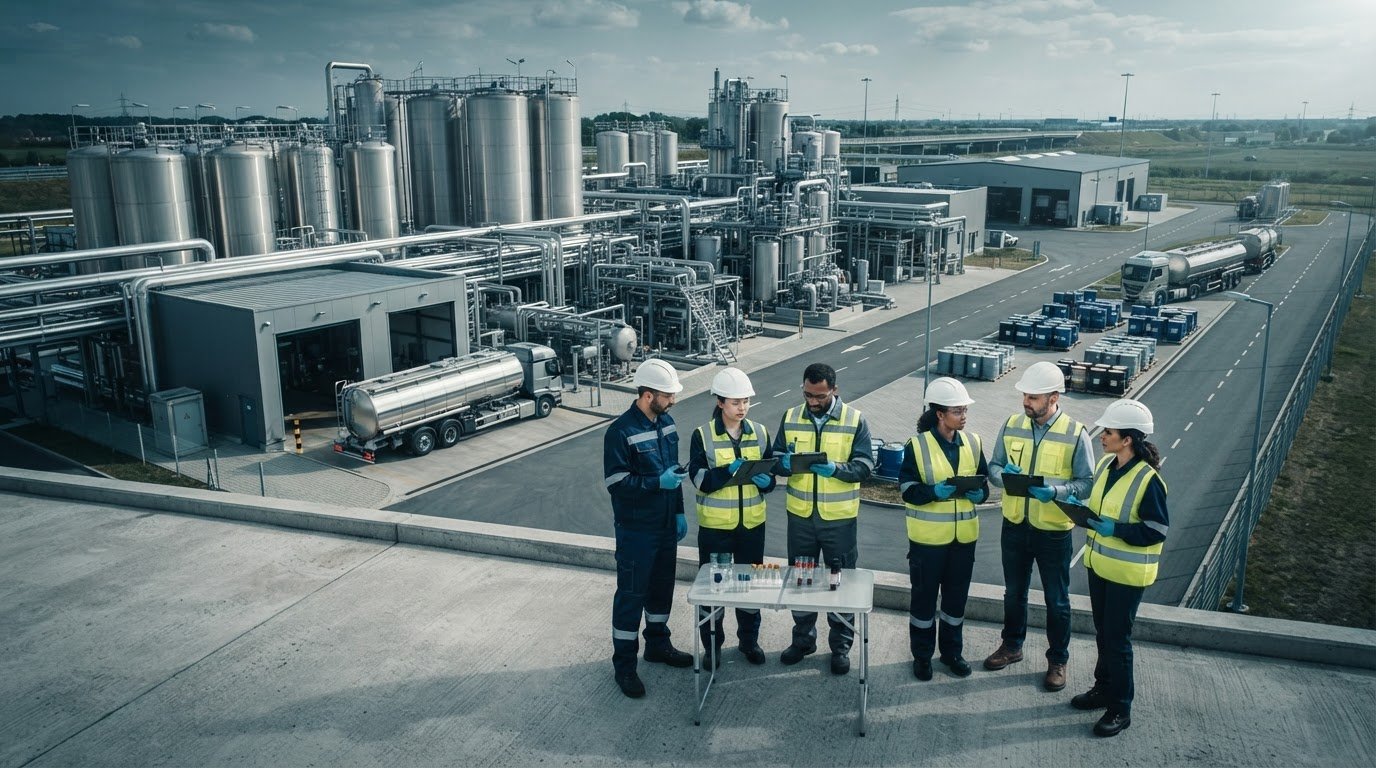
Effective h2s treatment requires more than just reactive chemistry. It demands a structured management plan rooted in technical precision. A comprehensive audit serves as the foundation. Engineers must quantify H2S concentrations and fluid flow rates under peak load conditions. At a typical industrial site, sulfur levels can fluctuate by 30% within a single 24-hour cycle. Accurate data ensures that dosing strategies remain efficient. JAS Global Industries leverages twenty-five years of technical expertise to help partners identify these variances before they become operational risks. A technical audit must account for H2S concentrations exceeding 500 ppm in high-risk zones to ensure safety buffers are adequate.
- Technical Audits: Determine baseline gas levels and hydraulic retention times.
- Dosing Selection: Choose scavengers or oxidizers based on specific process temperatures and pH levels.
- Automation: Utilize real-time sensors to trigger pumps. In a 2023 performance review of industrial wastewater plants, automated dosing systems reduced reagent consumption by 22% compared to static dosing models.
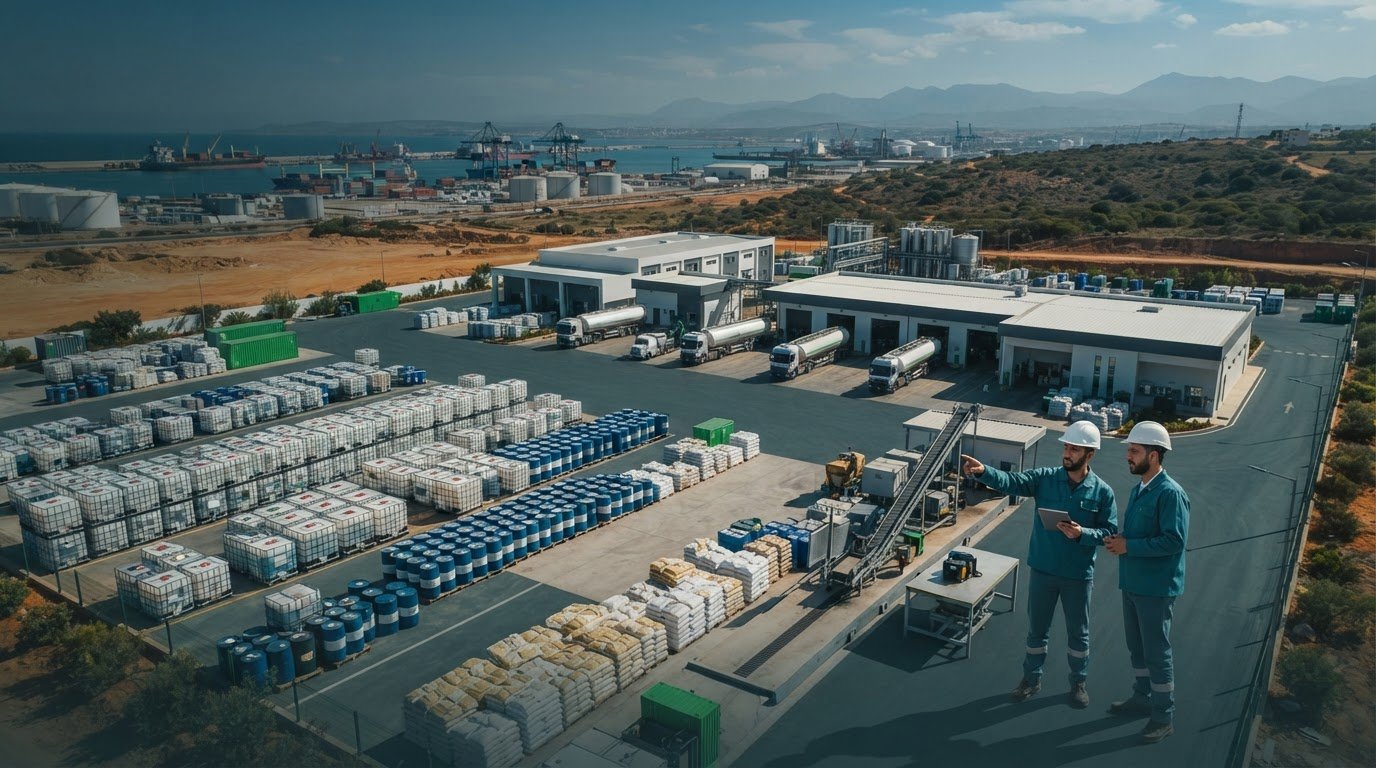
- Logistics: It's vital to establish bulk storage protocols that meet local environmental regulations and ensure supply chain stability.
Process Optimization and Dosing Strategies
Custom chemical formulations are essential for maximizing yield in mining and water systems. Standard solutions often fail to address unique mineral compositions. On-site laboratory testing allows technicians to refine chemical applications in real time. This prevents over-dosing, which can lead to equipment scaling or downstream contamination. Operational troubleshooting identifies bottlenecks in the delivery system. This ensures that every drop of reagent contributes to global water security and resource efficiency. Refining these applications reduces waste and protects the long-term integrity of the infrastructure.
Monitoring and Safety Integration
Data from your h2s treatment system should integrate directly into a centralized chemicals management plan. Clear reporting lines for gas levels and reagent consumption create accountability. Safety is paramount. Personnel must receive specialized training on handling H2S-neutralizing agents. This includes understanding Material Safety Data Sheets (MSDS) and emergency response for high-pressure dosing lines. Reliable monitoring protects both the infrastructure and the workforce, maintaining the stability of critical industrial operations. By treating chemical management as a pillar of security, facilities can ensure continuous uptime and environmental compliance.
Secure your industrial infrastructure with advanced chemical solutions. Explore our H2S management expertise at JAS Global Industries.
JAS Global Industries: Advanced Formulations for H2S and Odor Control
JAS Global Industries serves as a cornerstone of industrial chemical innovation, providing specialized solutions that drive the mining and gas treatment sectors forward. For over 25 years, the company has built its reputation on a foundational philosophy: Manufacturing Relationships. Distributing Quality. This dual commitment ensures that every chemical additive is backed by technical expertise and a deep understanding of the client's operational environment. By maintaining a network of world-class manufacturing plants and dedicated Research and Innovation (R&I) centers, JAS provides the stability required for complex industrial processes.
The company's mission extends beyond mere supply. Through the "JAS Cares" commitment, the organization integrates ethical production and sustainability into its core operations. They view their role as a global guardian, focusing on the preservation of food and water security through advanced chemical management. This sense of responsibility transforms their products from simple commodities into vital tools for global infrastructure and community well-being. It's this vision that positions them as a trusted visionary partner for industries across the globe.
Tailor-Made Solutions for Complex Ores and Water
Industrial challenges are rarely uniform, particularly when dealing with the extraction of complex ores or the remediation of contaminated water. JAS excels in developing tailor-made reagents that address specific site conditions rather than offering one-size-fits-all products. Their reach is truly global, with a robust presence spanning from Dubai and Riyadh to key markets in Europe and Asia. This geographic diversity allows them to provide rapid response times and localized technical support for various industrial applications.
- Technical Consulting: Expert teams provide on-site guidance to resolve chemical imbalances and improve safety.
- Process Audits: Comprehensive reviews identify opportunities to improve h2s treatment efficiency and reduce waste.
- Custom Formulations: R&I centers develop unique chemical blends for specific mineralogical profiles and water qualities.
Security Through Reliability
In high-stakes industries like desalination and fertilizer production, reliability isn't optional. JAS Global Industries acts as a silent partner in global security, ensuring that essential resources remain safe and accessible. Their formulations are designed to maximize process efficiency, reducing downtime and protecting sensitive equipment from the corrosive effects of hydrogen sulfide. When operators choose a partner with a quarter-century of proven results, they gain the confidence to focus on their core mission while JAS manages the chemical complexities.
It's time to optimize your facility with a global leader. Partner with JAS for World-Class H2S Treatment Solutions to ensure your h2s treatment strategy is both effective and sustainable. By leveraging advanced chemistry and a commitment to excellence, JAS helps you achieve operational goals while upholding the highest standards of environmental responsibility.
Securing Industrial Infrastructure Through Advanced H2S Management
Effective hydrogen sulfide management isn't just a technical requirement; it's a foundation for global infrastructure security. Protecting personnel from toxicity while preventing corrosive damage to critical assets ensures long-term operational stability. Implementing a robust h2s treatment strategy allows facilities to meet stringent environmental compliance standards and maintain community trust. Reliability in these systems is the difference between a standard maintenance cycle and a catastrophic failure.
JAS Global Industries brings over 25 years of specialty chemical expertise to every partnership. With a global manufacturing and R&I presence, we deliver specialized formulations tailored for the Mining, Water, and Fertilizer sectors. We don't just supply chemicals; we manufacture relationships and distribute quality to ensure your systems remain resilient. Our team's focus on water and food security drives us to solve complex industrial challenges with precision. We remain a steady, authoritative pillar for modern infrastructure and sustainability.
Consult with our technical experts for a custom H2S treatment strategy
Your path to a safer, more sustainable industrial operation starts with a proven partner committed to your long-term success.
Frequently Asked Questions
Is H2S treatment mandatory for all mining operations?
H2S treatment is mandatory whenever concentrations exceed the OSHA permissible exposure limit of 20 ppm. Failure to manage these levels poses immediate risks to personnel and infrastructure. In 2023, global mining safety protocols emphasized that 100% of underground operations must implement monitoring and mitigation to prevent atmospheric contamination. Effective management ensures the security of the workforce and the longevity of the site.
What is the most cost-effective chemical for H2S removal in water treatment?
Sodium hypochlorite remains the most common cost-effective chemical for high-volume water applications. It effectively neutralizes hydrogen sulfide while maintaining secondary disinfection. For smaller systems, hydrogen peroxide offers a cleaner alternative by leaving no residue. Choosing the right chemical ensures water security for communities relying on these industrial processes. We focus on distributing quality additives that balance performance with operational efficiency.
Can H2S be removed from natural gas without specialized equipment?
No, removing hydrogen sulfide from natural gas requires specialized pressure vessels or chemical injection systems. Raw gas often contains H2S levels ranging from 10 ppm to over 10,000 ppm, requiring precise mechanical intervention. Without dedicated equipment, the gas remains sour, which corrodes pipelines and violates transport regulations like the 4 ppm limit set by most pipeline operators. Professional h2s treatment is essential for infrastructure integrity.
What happens if H2S is left untreated in a desalination plant?
Untreated H2S causes rapid corrosion of stainless steel components and irreversible damage to reverse osmosis membranes. Research indicates that even 0.1 ppm of H2S can lead to biofouling and reduced water quality in desalination facilities. This degradation compromises global water security and increases maintenance downtime by 40% annually. Proper h2s treatment protects these vital assets and ensures a steady supply of clean water for the population.
How does a chemicals management plan improve H2S safety?
A chemicals management plan standardizes dosing protocols and ensures that 100% of chemical interactions are monitored. This structured approach reduces the risk of accidental releases and optimizes the use of scavengers. By integrating these plans, facilities see a 30% improvement in safety compliance. We focus on these details to build reliable relationships with our industrial partners while securing the environment against hazardous exposure.
Is triazine the only option for liquid H2S scavenging?
Triazine isn't the only option; alternatives like glyoxal and metal carboxylates are widely used in specialized applications. While triazine accounts for about 80% of the scavenger market, non-triazine options are better for systems prone to scale. These innovative chemical additives allow for tailored management in diverse industrial environments. Selecting the right scavenger depends on the specific temperature and pressure of the process to ensure maximum safety.
How often should gas treatment systems be audited for efficiency?
Gas treatment systems should be audited at least twice a year to ensure peak performance. These audits verify that chemical consumption matches the H2S load and that equipment hasn't suffered from 1/8 inch of corrosive wear. Regular inspections prevent 95% of unexpected system failures. Maintaining this steady rhythm of oversight is essential for sustainable industrial operations and the long-term protection of global energy infrastructure.
Can H2S odor be completely eliminated in industrial settings?
Yes, H2S odor can be eliminated by achieving a 99.9% removal rate through chemical scrubbing or biological filtration. The human nose detects the rotten egg smell at levels as low as 0.00047 ppm. By reducing concentrations below this threshold, facilities eliminate the odor entirely. This improves community relations and reflects a commitment to global environmental responsibility. It's a vital step for any facility located near residential areas.