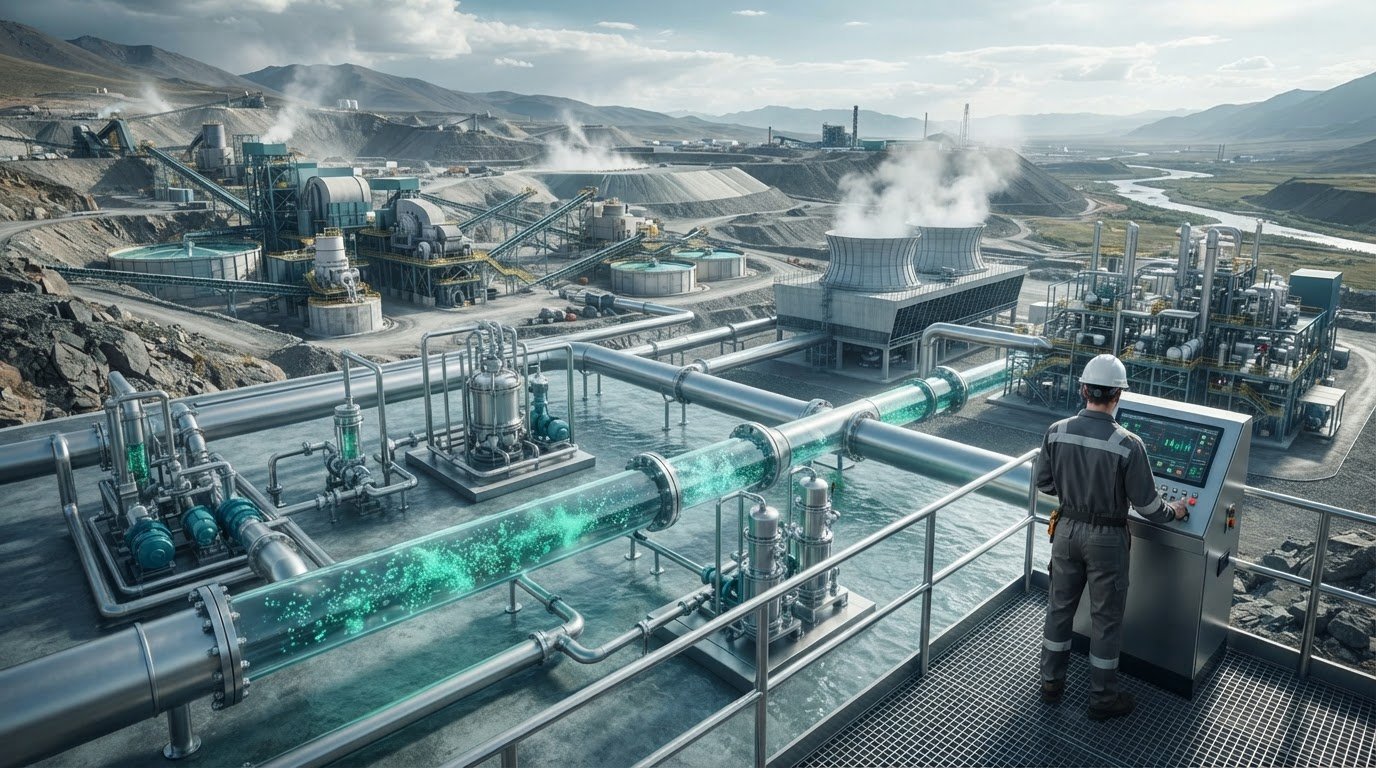

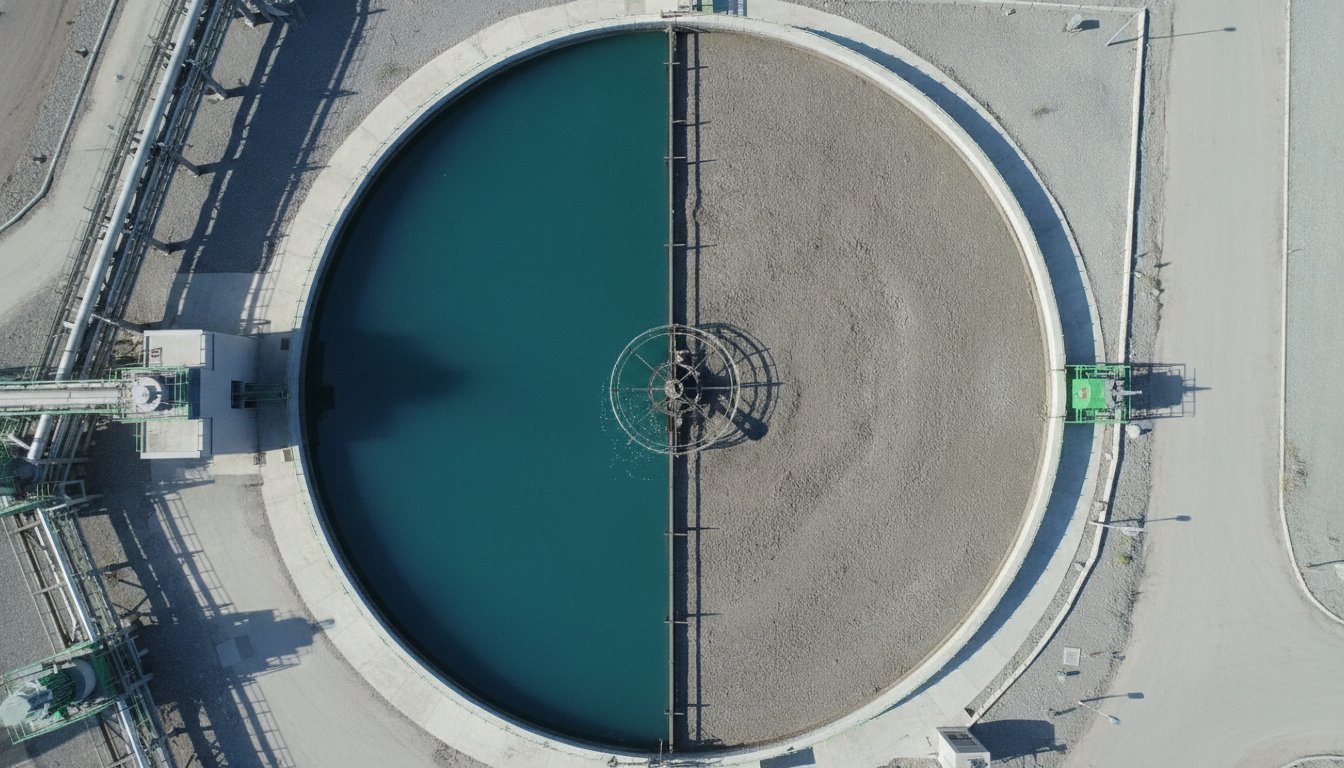
Flocculant selection is not a chemical purchase; it's a strategic audit of the entire tailings lifecycle that secures both operational profit and environmental safety. In an era of increasing water scarcity and tightening regulations, your choice of chemistry dictates the stability of your global resource management. We understand that inconsistent settling rates and high reagent costs often create plant bottlenecks that erode your margins. Mastering the technical criteria for flocculant selection for mine tailings is no longer optional for those aiming to be leaders in sustainable infrastructure.
You'll learn how to align chemical matching with specific ore mineralogy to maximize mineral recovery and ensure TSF stability. We'll provide a clear framework for optimizing water reuse and achieving higher underflow density. We'll examine how to reduce reagent dosages while securing clearer overflow water for your operations. This transition from simple procurement to strategic protection ensures your facility remains an essential, reliable pillar of modern industry. By the end of this guide, you'll have the technical expertise to transform your tailings management into a predictable, high-yield process.
Key Takeaways
- View chemical selection as a strategic asset for long-term operational security and resource protection.
- Map specific polymer charges and molecular weights to mineral surfaces to create robust, shear-resistant flocs.
- Master a rigorous 4-step framework for flocculant selection for mine tailings to ensure laboratory screening translates to industrial success.
- Deploy specialized strategies to manage high-surface-area clay minerals and prevent polymer degradation in turbulent feedwells.
- Leverage custom-formulated solutions and technical audits to deliver higher underflow density and protect your facility's water supply.
The Strategic Role of Flocculants in Mine Tailings Management
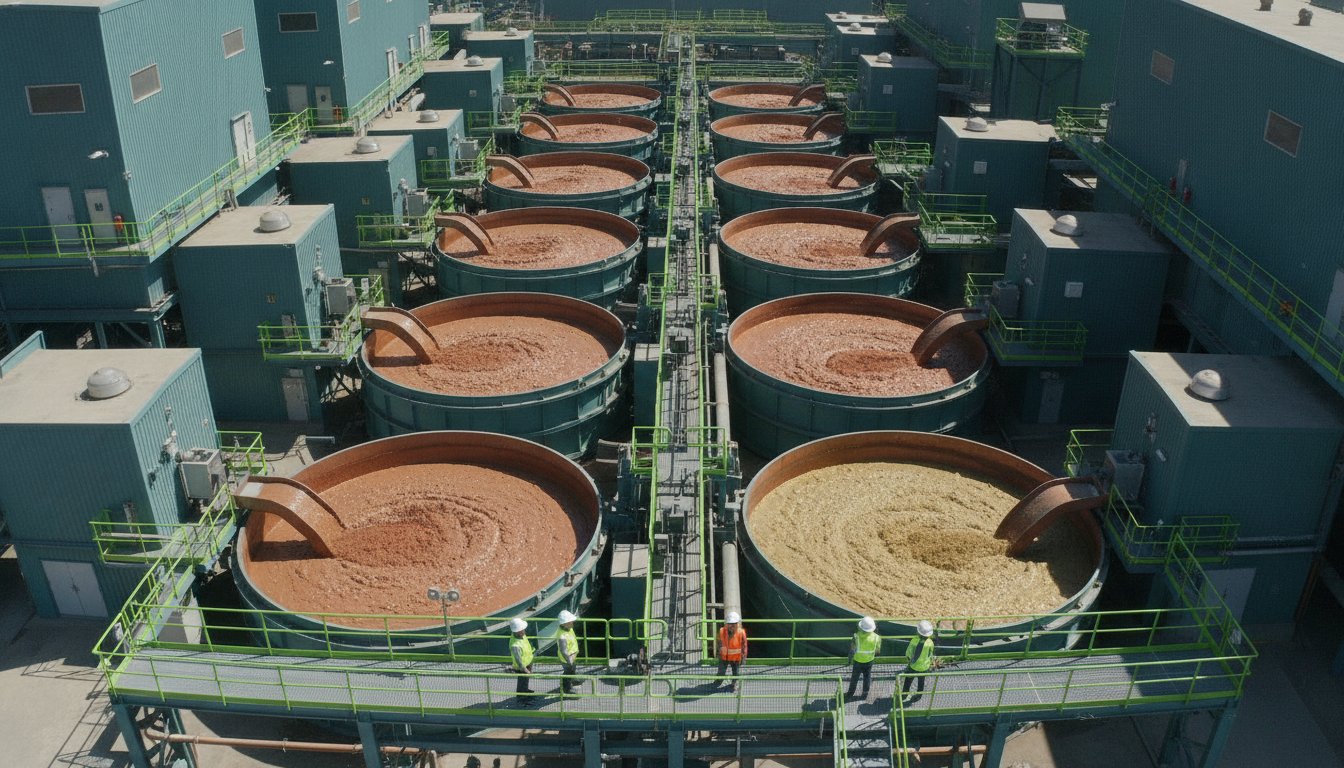
Operational reliability in modern mineral processing depends on more than just mechanical uptime. It's rooted in the precise control of solids-liquid separation. Flocculants act as the primary bridge between raw extraction and stable waste management. Without effective chemical intervention, the massive volumes of Mine Tailings generated daily would overwhelm storage capacities and jeopardize local ecosystems. We view this process as a vital mission of global stewardship. By stabilizing these materials, we protect the surrounding environment and ensure the continuity of critical resource supplies.
The industry's approach to dewatering has undergone a significant evolution. Early operations relied on basic natural coagulants or simple gravity settling, which often led to massive, unstable lagoons. The development of high-molecular-weight synthetic polymers changed the landscape. These advanced chemicals allow for the creation of larger, more resilient aggregates at much higher throughputs. Today, flocculant selection for mine tailings is the most influential lever for industrial water reuse. In arid regions where water is a scarce commodity, the ability to recover and recycle process water determines whether a mine remains viable or faces closure.
Beyond Settling Rates: The Multi-Dimensional Impact
Settling speed is only one metric of success. A truly optimized chemical program dictates the underflow density and the pumpability of the thickened solids. If the density is too low, you're pumping excess water to the storage facility, wasting energy and space. If it's too high without proper rheological control, you risk catastrophic pump failure or pipe blockages. High-performance flocculants ensure that thickener overflow remains crystal clear. This clarity is essential for process water circuits, as suspended solids can interfere with upstream flotation and grinding efficiency. By maximizing dewatering at the plant, you significantly reduce the physical footprint of Tailings Storage Facilities (TSFs), enhancing long-term site security.
Economic Drivers of Precision Selection
Selecting a flocculant based solely on the lowest price per kilogram is a common but costly mistake. Cheap, generic polymers often require much higher dosages to achieve basic targets, leading to increased logistics costs and chemical buildup in recycled water. Precision-engineered solutions offer better chemical matching, which reduces the total volume of reagents needed. Proper flocculant selection for mine tailings also yields significant energy savings. When the rheology of the underflow is optimized, friction losses in disposal pipelines decrease, lowering the power demand on high-pressure pumps. A precision-engineered approach to chemical selection transforms reagent expenditure into a strategic investment that lowers the total cost of ownership by synchronizing chemical efficiency with downstream energy savings.
Understanding Flocculant Chemistry: Polymers, Charge, and Weight
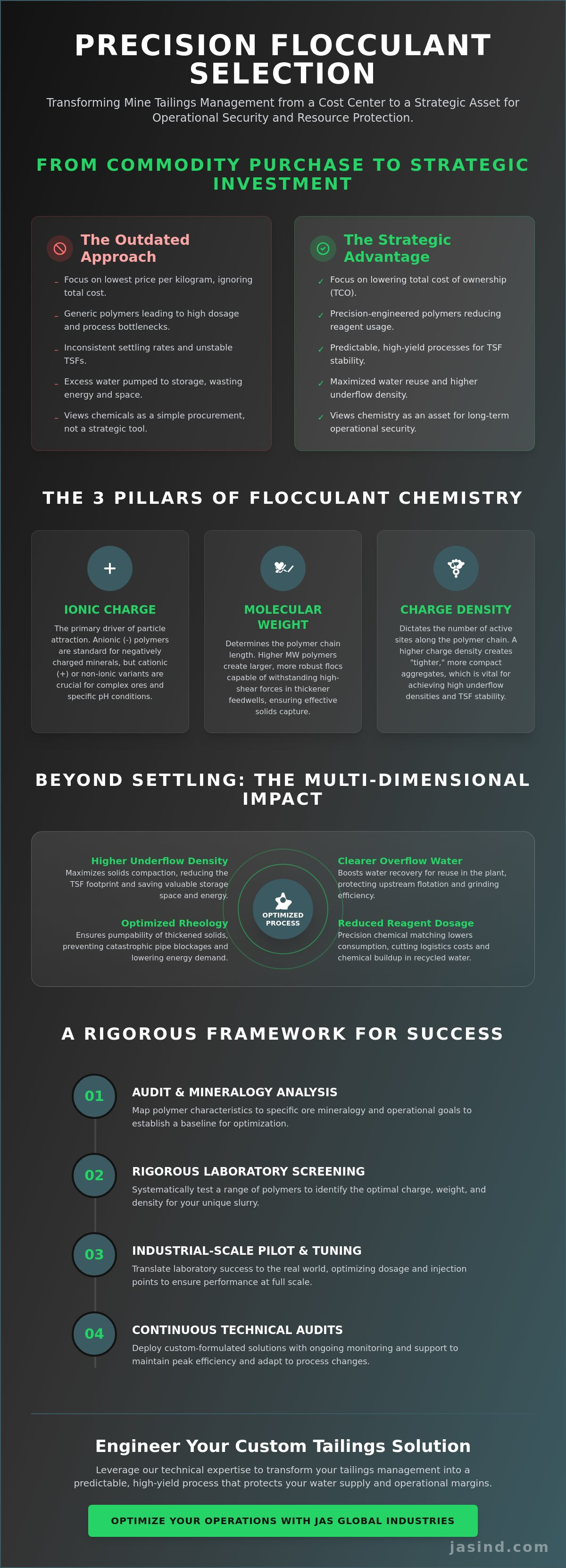
Effective flocculant selection for mine tailings begins with a fundamental understanding of molecular interactions. Flocculants aren't generic commodities. They're precision-engineered polymers designed to bridge the gap between suspended solids and clear process water. The chemistry of these agents is defined by three core pillars: ionic charge, molecular weight, and charge density. Mastering these variables is essential for any operator seeking to stabilize their tailings storage and maximize mineral recovery. We view this technical mastery as a foundational component of global resource security.
Ionic charge is the primary driver of particle attraction. Most mineral surfaces in tailings carry a negative surface charge, which makes anionic polyacrylamides (PAM) the industry standard. However, some complex ores or specific pH environments require cationic or non-ionic variants. Molecular weight (MW) determines the length of the polymer chain. Higher MW polymers create larger, more robust flocs that withstand the high-shear forces found in thickener feedwells. Meanwhile, charge density (CD) dictates how many active sites exist along that chain. A higher CD leads to a "tighter" aggregate, which is vital for achieving the high underflow densities required for TSF stability. The impact on tailings treatment efficiency is direct; getting the chemistry wrong leads to poor compaction and wasted water.
The Water-Polymer Synergy
The performance of a polymer isn't dictated by its formula alone. It's heavily influenced by the chemistry of the process water. High salinity and total dissolved solids (TDS) can cause polymer chains to coil, significantly reducing their effective reach and bridging capability. Similarly, extreme pH levels can suppress or activate functional groups on the polymer chain, altering its ability to bond with mineral surfaces. In closed-circuit mines, the accumulation of ions in recycled water creates a moving target for chemical dosing. Operators must ensure their tailored mining flocculants are formulated to remain stable under these fluctuating conditions. Stability isn't just a technical requirement; it's an operational insurance policy for your facility.
Tailored Formulations for Complex Ores
Generic chemical products often fail when faced with complex mineralogy. Phosphate and potash mining, for example, frequently generate "slimes" characterized by ultra-fine particles and high surface areas. High concentrations of clay or mica minerals present similar challenges, as their plate-like structures demand specific charge densities to achieve effective bridging. In these scenarios, a standard PAM might not suffice. We often see better results through hybrid approaches that combine synthetic polymers with natural coagulants or specialized dispersants. This level of customization ensures that even the most difficult ores don't compromise the safety or efficiency of your tailings management system. Relying on wise, experienced chemical matching is the only way to move from generic supply to mission-critical protection.
The 4-Step Selection Framework for Mining Flocculants
Moving from chemical theory to operational reality requires a disciplined, repeatable process. A structured approach ensures that flocculant selection for mine tailings isn't a matter of trial and error but a strategic audit of your facility's needs. By following a rigorous framework, operators can secure the long-term stability of Tailings Storage Facilities (TSFs) and optimize water recovery. This transition from laboratory data to industrial success is essential for maintaining the safety and efficiency of global mining infrastructure.
- Step 1: Mineralogical and Water Characterization. Success begins with foundational data. You must analyze particle size distribution, clay content, and process water chemistry. This baseline prevents the selection of reagents that will inevitably fail under site-specific conditions.
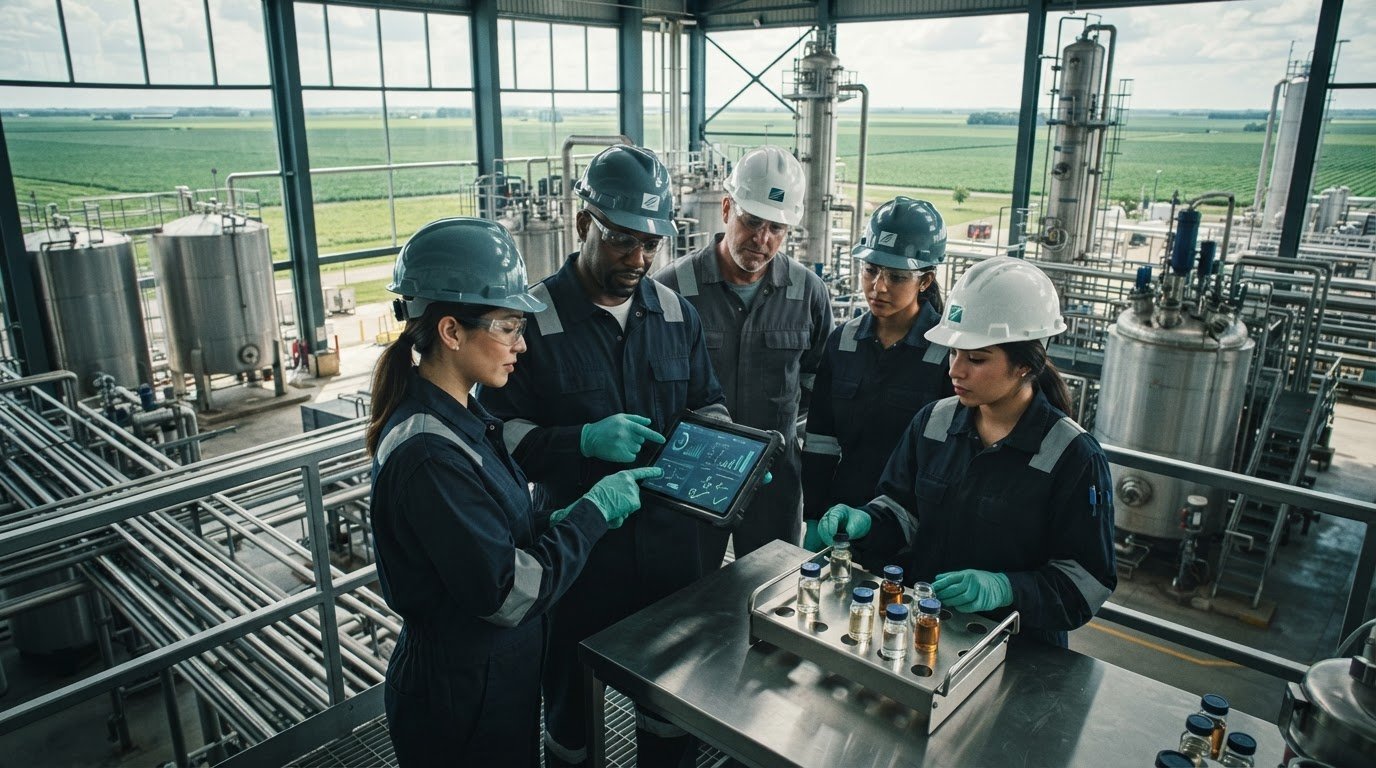
- Step 2: Laboratory Screening. Use static jar tests to evaluate a broad range of chemical candidates. This phase identifies the most promising polymers based on initial settling velocity and supernatant clarity.
- Step 3: Dynamic Thickening Tests. Static tests don't account for the high-shear environments of modern thickeners. Dynamic testing simulates real-world feedwell conditions to evaluate how flocs withstand transport and compaction.
- Step 4: Full-Scale Plant Trial. The final stage involves validating performance over a sustained period. This step confirms that the chosen chemistry can handle natural fluctuations in ore grade and water quality.
Conducting Effective Jar Tests
Effective screening depends on precise reagent preparation. Polymers must be fully hydrated through proper make-up and aging; uncoiled chains cannot bridge particles effectively. During these tests, we measure settling velocity, supernatant clarity, and the final sediment volume. The "critical point" in a settling rate curve represents the transition from free-settling to the compression zone, marking the exact moment where solids begin to form a supporting structure and dictate the maximum achievable underflow density. Identifying this point allows for the most accurate dosage determination, preventing chemical waste while ensuring operational reliability.
Dynamic Testing: Simulating the Feedwell
Static tests often overestimate polymer performance because they ignore shear degradation. In a functioning plant, flocs are subjected to intense turbulence in feedwells and transfer pipes. Dynamic testing evaluates the shear resistance of the aggregates, ensuring they don't break down before reaching the thickener bed. This phase also allows us to measure bed compaction and the torque requirements for thickener rakes. By understanding these rheological properties, engineers can accurately predict final underflow density. This data is vital for TSF planning, as it directly influences the storage capacity and the structural integrity of the facility. We don't just provide chemicals; we provide the technical certainty required for long-term resource protection.
Overcoming Operational Challenges: Clay, Shear, and Degradation
Efficiency isn't guaranteed by volume. A common misconception in mineral processing is that all reagents are essentially the same. This belief often leads to the "dosage myth", the idea that increasing the quantity of a polymer will naturally resolve settling issues. In reality, over-dosing can lead to steric stabilization. Excess polymer chains actually repel each other, trapping water and reducing underflow density. Precision in flocculant selection for mine tailings is the only way to avoid these costly inefficiencies and protect your margins.
The presence of clay minerals represents one of the most significant operational hurdles. These high-surface-area particles require specialized charge densities to achieve effective bridging. Without a tailored chemical approach, clays remain suspended. This causes persistent turbidity in process water and compromises the structural integrity of your Tailings Storage Facility. We view the management of these difficult ores as a matter of industrial security. It requires a wise, integrated strategy rather than a simple transactional purchase.
Extreme environments also test the limits of chemical stability. In deep mines or high-temperature desert climates, thermal stress can cause polymer chains to degrade or coil prematurely. This loss of integrity makes the flocculant ineffective before it even reaches the solids. Proper selection ensures that the polymer remains active throughout the entire dewatering cycle. It must withstand both ambient and process temperatures to maintain operational reliability.
Combating Shear and Polymer Degradation
Mechanical stress is a constant threat to floc stability. High-turbulence feedwells and long transfer pipes can shear apart fragile aggregates, undoing the work of the thickener. To combat this, we prioritize high-molecular-weight polymers designed for mechanical resilience. Optimizing dosing points is equally critical. By introducing reagents where turbulence is lower, you preserve the integrity of the flocs. The strategic use of Mining Grinding Aids upstream also plays a role. By ensuring a consistent particle size distribution during the grinding phase, you improve the efficiency of downstream chemical treatments.
Environmental and Regulatory Security
Your choice of reagent has implications far beyond the plant walls. We ensure that flocculant residues don't interfere with downstream flotation or leaching circuits, protecting your overall mineral recovery. Long-term groundwater security is a foundational priority. Our solutions focus on biodegradability and compliance with global safety standards for tailings discharge. This commitment to environmental stewardship ensures your operation remains a responsible corporate citizen. To secure your facility's future, consult with our technical specialists for a comprehensive audit of your current chemical program.
JAS Global Industries: Engineering Custom Flocculant Solutions
Global resource security depends on the stability of industrial infrastructure. At JAS Global Industries, we don't view ourselves as a mere chemical supplier. We are a vital guardian of the world’s most critical mining operations. Our mission is centered on protecting global resources through advanced mining solutions that prioritize long-term reliability over short-term logistics. By integrating our deep expertise in industrial water treatment with specialized mineral processing, we provide a comprehensive picture of resource protection that competitors often overlook.
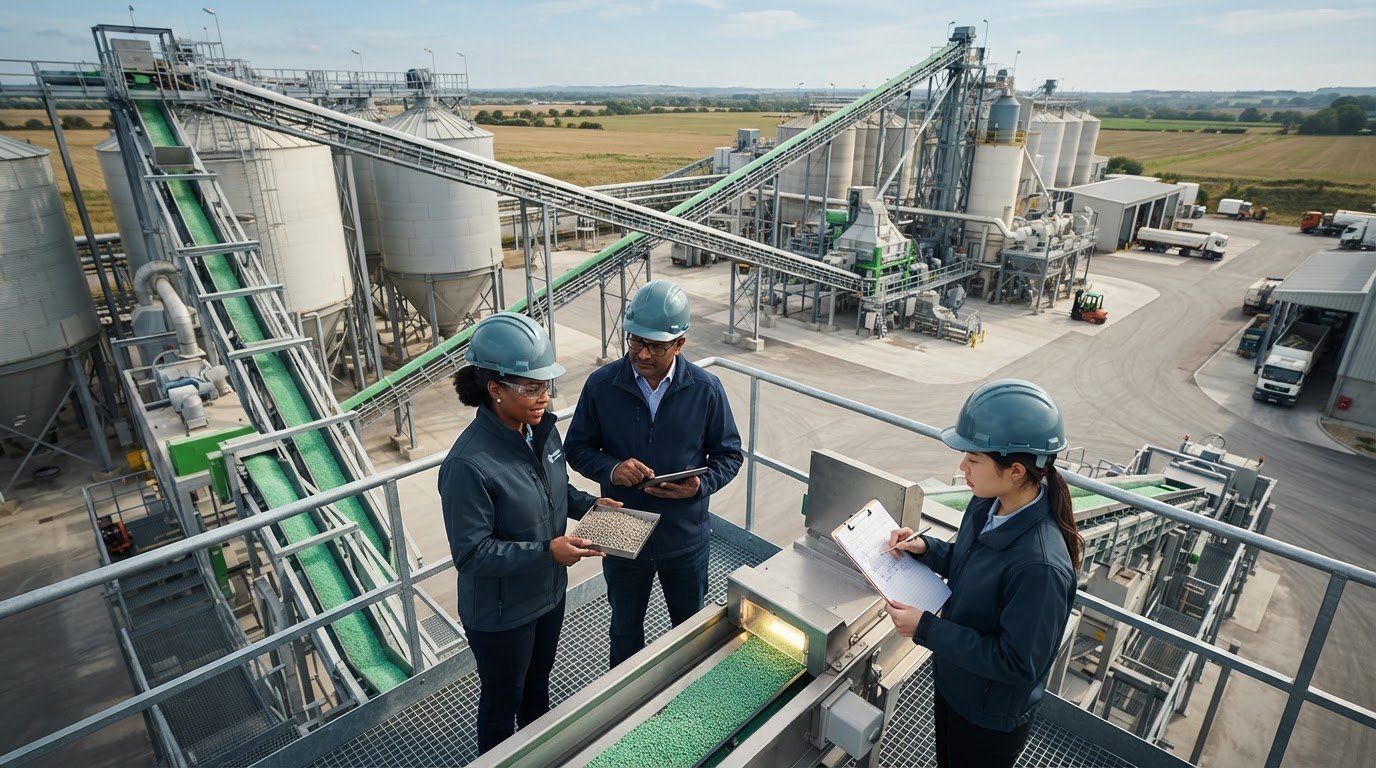
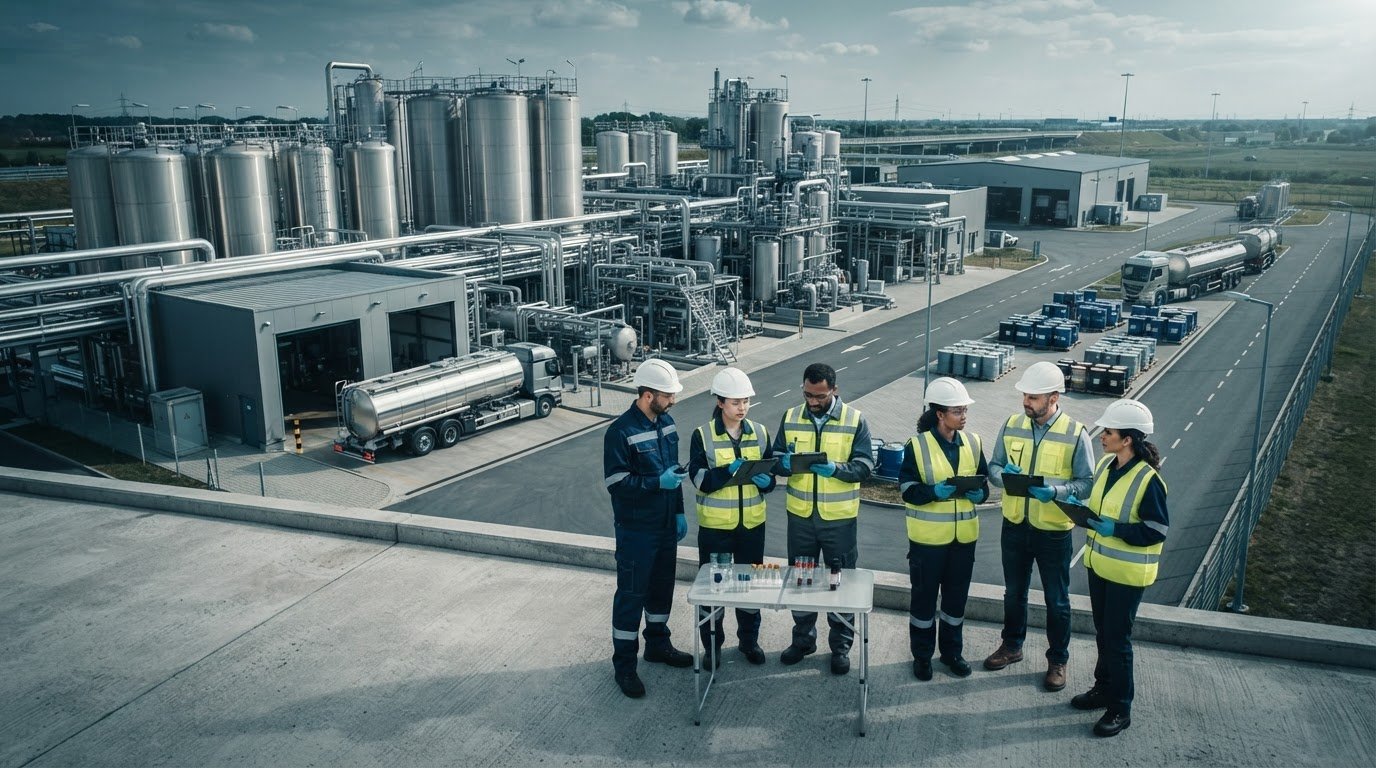
Precision in flocculant selection for mine tailings requires moving beyond off-the-shelf bulk supply. We conduct rigorous on-site technical audits to understand the unique mineralogical and hydrological profile of your facility. This macro-to-micro approach ensures that the chemistry we deploy is perfectly matched to your specific ore. Our global manufacturing footprint provides the necessary scale to support remote operations, ensuring that essential reagents are available whenever and wherever they're needed. We build long-term partnerships rooted in established trust and a shared sense of global responsibility.
Tailor-Made Formulations for Global Partners
Our Research and Innovation centers serve as the technical engine for site-specific excellence. We develop reagents designed for the most challenging mineralogies, including high-clay phosphate slimes and complex potash recovery circuits. Implementation is just the beginning of our commitment. We provide continuous post-implementation support, troubleshooting operational fluctuations and optimizing processes as your ore body evolves. Our success in metallic mineral recovery demonstrates the power of custom-formulated chemistry; we transform plant bottlenecks into streamlined, high-yield circuits that protect both your margins and your local environment.
The JAS Commitment to Sustainability
We frame chemical efficiency as a fundamental tool for environmental protection. Reducing reagent dosage through better chemical matching isn't just an economic driver; it's an ethical imperative. By maximizing water reuse and ensuring the structural integrity of Tailings Storage Facilities, we help secure the stability of industrial infrastructure worldwide. Our personality is serious, results-driven, and focused on the fundamental needs of society. We act as a foundational industry presence, providing the wise leadership necessary to navigate the complexities of modern extraction. Contact JAS Global Industries for a technical audit of your tailings circuit and discover how our tailored flocculant selection for mine tailings can secure your operation’s future.
Securing the Future of Global Resource Management
Transitioning from generic chemical supply to precision-engineered protection is the hallmark of a world-class mining operation. We've established that the right molecular weight and charge density are essential for both TSF stability and industrial water reuse. By following a structured framework, you ensure that your laboratory findings deliver real-world results at scale. Mastering flocculant selection for mine tailings is no longer just a technical requirement; it's a vital mission for any responsible corporate citizen.
Since 1998, JAS Global Industries has acted as a foundational industry presence, offering over 25 years of industrial expertise. Our global R&I centers specialize in custom chemical formulations for Phosphate, Potash, and Metallic ores. We don't just supply reagents. We provide the technical certainty needed to safeguard your infrastructure and optimize your yield. It's time to move beyond transactional procurement and embrace a partnership built on reliability and global stewardship.
Take the next step in optimizing your dewatering circuit and protecting your environmental footprint. Request a Technical Audit for Your Tailings Operation today. We look forward to securing your operation's future together.
Frequently Asked Questions
What is the difference between a coagulant and a flocculant in mining?
Coagulants neutralize particle charges to form small micro-flocs, whereas flocculants use long-chain polymers to bridge these particles into large, heavy aggregates. In mining circuits, coagulants are often a necessary pre-treatment for ultra-fines or colloidal silica. This dual-stage approach ensures that the subsequent flocculation stage achieves the required settling velocity and overflow clarity for industrial water reuse.
How does high clay content affect flocculant selection for mine tailings?
Clay minerals possess an immense surface area that demands specialized charge densities to achieve effective bridging. In these environments, standard polymers often fail to produce robust flocs, leading to persistent turbidity. Precision flocculant selection for mine tailings ensures that high-clay ores don't compromise thickener throughput or the long-term stability of your storage facility.
Can I use the same flocculant for different ore types in the same plant?
Using a universal flocculant for different ores is rarely effective and often leads to chemical waste. Each mineralogy presents a unique surface charge and particle size distribution. A product that works for metallic sulfides may fail completely in a potash or phosphate circuit. Custom-matched reagents are essential for maintaining the operational reliability and environmental security of multi-ore facilities.
What are the risks of over-dosing flocculants in the thickener?
Over-dosing creates steric stabilization, a state where excess polymer chains repel one another and trap water within the solids. This results in a low-density, viscous underflow that is difficult to pump and resists compaction. It also leads to chemical carryover in the overflow, which can interfere with upstream flotation and increase the total cost of ownership.
How does water salinity impact the molecular weight requirements of a polymer?
High salinity and total dissolved solids (TDS) cause polymer chains to coil, significantly reducing their ability to bridge suspended solids. To maintain performance in brackish or recycled water, operators must select higher molecular weight polymers with salt-tolerant functional groups. This ensures that the polymer remains uncoiled and active, protecting the efficiency of the dewatering circuit regardless of water quality fluctuations.
How long does it take to conduct a full flocculant selection audit?
A full technical audit generally requires 2 to 4 weeks to complete, depending on the mineralogical complexity of the site. This process includes foundational characterization, static jar testing, and dynamic thickening simulations. Our goal is to move from initial screening to a validated, site-specific solution that provides long-term operational security and protects your facility's critical resources.
Are JAS Global Industries flocculants compatible with existing dosing hardware?
Our mining flocculants are designed for seamless integration with all standard dosing hardware, including automatic dry-feed systems and emulsion preparation skids. We don't require proprietary equipment for implementation. Our technical specialists work alongside your team to calibrate existing pumps and mixers, ensuring that our precision-engineered polymers are delivered at the optimal concentration and viscosity for your process.
What is the impact of flocculants on the geotechnical stability of a tailings dam?
Flocculants are a primary driver of geotechnical stability because they control the initial density and consolidation rate of the deposited solids. By achieving a higher underflow density, precision chemistry creates a more compact, stable tailings mass. This reduces the risk of liquefaction and dam failure, ensuring that your storage facility remains a safe and reliable pillar of modern infrastructure.