
A poorly calibrated dosing system doesn't just waste chemicals; it threatens the fundamental stability of your industrial water cycle. With the global flocculant market projected to reach $13.13 billion in 2026, the financial stakes of flocculant dosage optimization have never been higher. You likely recognize the strain of rising OPEX and the constant threat of pump clogs or poor settling rates. These aren't just technical hurdles. They're risks to the security of your resource recovery and the long-term reliability of your infrastructure.
We believe that consistent effluent quality is the bedrock of a responsible, sustainable operation. This article helps you master the technical nuances of polymer preparation and system automation to eliminate the high costs of overdosing. We'll show you how to integrate smart monitoring to reduce chemical waste by as much as 25%. By refining your dosing mechanics, you can protect your equipment and ensure your facility meets the newest global standards, such as the QCVN 40:2025/BTNMT regulations. Let's secure your process efficiency and extend the lifespan of your vital assets through proven industrial best practices.
Key Takeaways
- Learn why proper maturation and aging times are essential for polymer chains to achieve peak efficacy in solids-liquid separation.
- Discover how to locate the specific mixing zones that balance rapid chemical dispersion with the protection of delicate floc formations.
- Master flocculant dosage optimization by transitioning from manual testing to automated, sensor-driven feedback loops for real-time precision.
- Ensure long-term operational stability through disciplined pump calibration and proactive tank hygiene to prevent bacterial growth and clogs.
- Optimize resource recovery and reduce overall chemical consumption by aligning your dosing mechanics with advanced industrial automation.
The Fundamentals of Flocculant Dosing in Industrial Systems
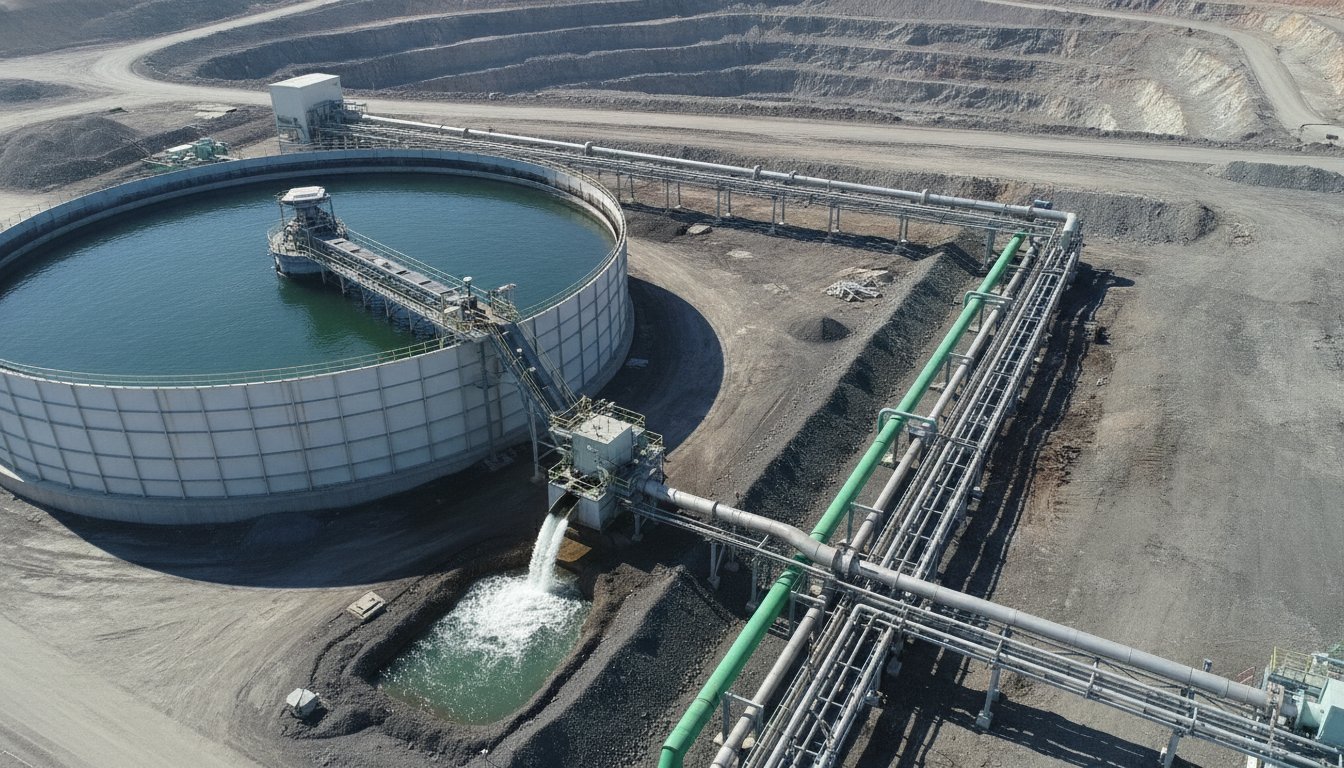
The flocculant dosing system acts as the vital heart of solids-liquid separation. It isn't merely a piece of hardware. It's a strategic asset that ensures the stability of industrial cycles. By managing the clarity of effluent and the density of underflow, these systems protect the integrity of global water and mineral resources. In an era of increasing scarcity, flocculant dosage optimization has transitioned from an operational preference to a mission-critical necessity. It's an indispensable pillar of modern infrastructure that balances corporate productivity with environmental responsibility.
Industrial applications typically utilize two distinct classes of chemicals. Inorganic metal salts serve as primary coagulants. They tackle the initial charge of suspended particles to initiate aggregation. Organic polymers, or flocculants, then aggregate these particles into larger, heavier masses. Choosing between them depends on the specific chemistry of your waste stream. While inorganic salts are effective for simple charge neutralization, high-molecular-weight organic polymers provide the physical bridging required for rapid settling in thickeners and clarifiers. Precision in selecting and applying these chemicals is what separates a stable operation from one plagued by frequent downtime.
The Science of Particle Aggregation
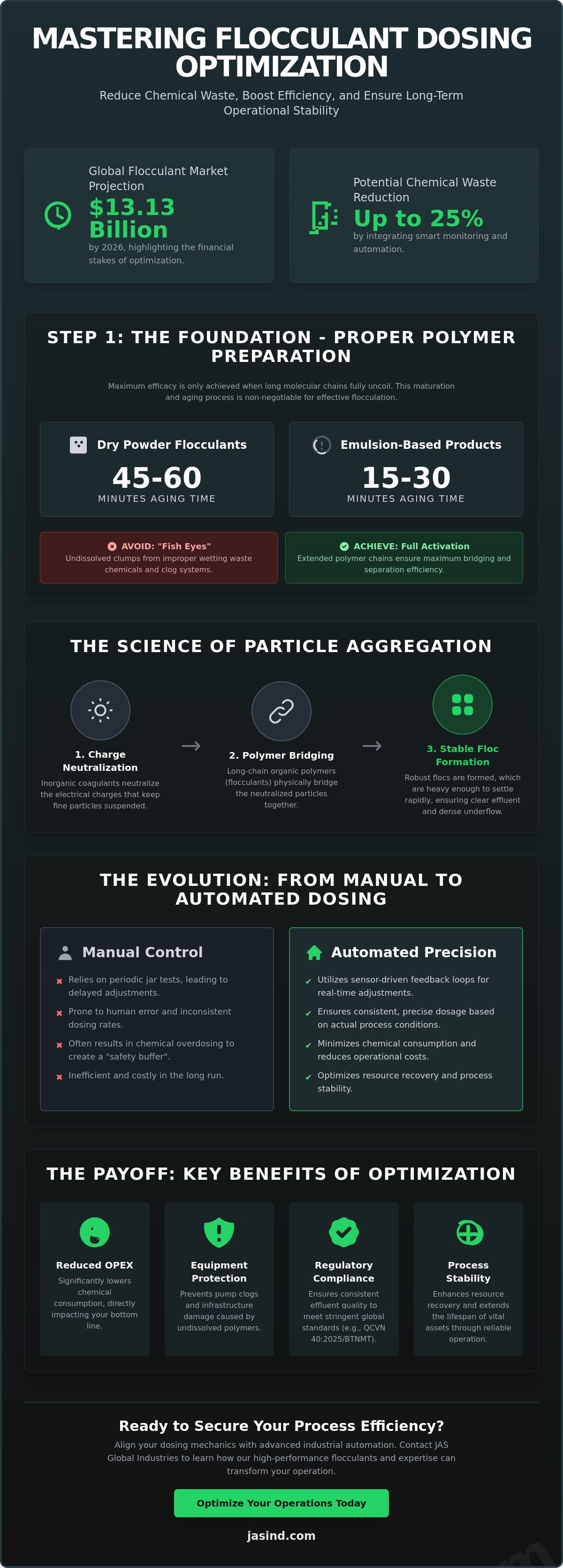
Success in water treatment begins with the fundamental mechanics of coagulation and flocculation. Charge neutralization removes the electrical barriers that keep particles apart. Once neutralized, long-chain polymers create physical bridges between these particles. This forms a robust floc structure. Dosing accuracy is the primary variable here. If your dosage is off, the final floc will be too fragile to survive the shear forces of the transport pipes. Incorrect dosing doesn't just waste chemicals. It causes "pin floc" that escapes over the weirs, contaminating the effluent and compromising downstream filtration stages. Consistent flocculant dosage optimization ensures that the final floc remains stable through every stage of the process.
Key Components of a Standard Dosing Circuit
A standard dosing circuit is built on three essential pillars: the makeup unit, storage tanks, and metering pumps. The makeup unit is where the polymer is first introduced to water. It must ensure that every particle is individually wetted to prevent the formation of "fish eyes" or undissolved clumps. Storage tanks then allow for proper aging. Metering pumps are the final step. They must provide consistent, pulse-free delivery to the injection point. Large-scale operations, such as mining solutions, require high-capacity systems capable of handling abrasive slurries and high volumes. Material compatibility is equally important. Using the wrong plastics or metals can lead to chemical degradation and equipment failure. Integrated control panels provide the necessary oversight to maintain process reliability and ensure that every drop of chemical contributes to resource security.
Polymer Preparation: The Critical Maturation and Aging Process
Polymer preparation is the bridge between raw chemical potential and operational success. It's a stage where precision is paramount. Many operators view mixing as a simple mechanical task, yet it is a complex uncoiling process. For a polymer to achieve maximum efficacy, its long molecular chains must fully extend. This maturation process is the foundation of flocculant dosage optimization. Without it, you aren't just losing efficiency; you're wasting resources. Recent studies on automated flocculant dosing systems highlight how data-driven preparation stages can significantly stabilize downstream results.
Standard industrial practices dictate specific aging windows. Dry powder flocculants typically require 45 to 60 minutes to reach full potency. Emulsion-based products are more reactive, often requiring only 15 to 30 minutes. Bypassing these times leads to "fresh" polymer that fails to bridge particles. This results in poor settling and high chemical consumption. At JAS Global Industries research centers, we analyze these specific variables to ensure our high-performance Mining Flocculants perform under the most demanding site conditions.
Water quality plays a decisive role in this chemical transformation. High mineral hardness or low temperatures can significantly retard the uncoiling rate. If the initial wetting is uneven, "fish eyes" form. These undissolved particles are more than a nuisance. They clog metering pumps and cause system downtime. Ensuring the makeup water is within an optimal temperature range protects your equipment and your budget. It's a simple step that maintains long-term process reliability.
Optimizing the Makeup Concentration
Maintaining a makeup concentration between 0.1% and 0.5% is the industry standard for primary dilution. Concentrations above this range create excessive viscosity. This high viscosity puts immense strain on metering pumps, leading to inaccurate delivery and mechanical wear. Secondary dilution is equally vital. By adding more water just before the injection point, you ensure the polymer disperses instantly into the effluent. This double-stage approach is a hallmark of flocculant dosage optimization in large-scale operations.
Mixing Intensity and Shear Sensitivity
Long-chain polymers are highly sensitive to mechanical shear. High-shear mixing doesn't just stir the solution; it physically breaks the molecular chains. Once these chains are fractured, they cannot be repaired, and their bridging capability is lost forever. We recommend using low-speed agitators, typically operating between 60 and 100 RPM for the aging phase. This gentle motion provides enough energy for uncoiling without compromising the polymer's integrity. It's about balancing mechanical energy with chemical stability to secure maximum resource recovery.
Strategic Dosing Points and Mixing Dynamics
Precision in chemical placement is just as vital as the chemical selection itself. To achieve flocculant dosage optimization, you must identify the "Goldilocks zone" within your process flow. This is the specific window where turbulence is high enough to ensure immediate dispersion but low enough to prevent the destruction of newly formed flocs. If the energy is too low, the polymer won't contact the suspended solids. If it's too high, the long-chain molecules break. This balance is a technical necessity for maintaining the security of your water recovery cycle.
In large-scale operations, a single injection point is rarely sufficient. Advanced mining solutions frequently utilize multi-point injection systems in thickeners and tailings management facilities. By distributing the polymer across several strategic locations, you ensure an even "cloud" of chemical contact. This prevents localized overdosing and reduces total chemical consumption. It's a steady, logical approach to handling the massive volumes of slurry found in modern mineral processing.
Residence time is the final piece of the mixing puzzle. There must be enough distance between the dosing point and the clarifier entrance for flocs to mature. However, if this path is too long or contains too many elbows and valves, the resulting shear will degrade the floc structure. We design these circuits to move from high-energy mixing zones into laminar flow environments. This transition protects the integrity of the solids-liquid separation and ensures a clear overflow for reuse in your facility.
In-Line vs. Tank Dosing
In-line dosing often relies on static mixers to create rapid dispersion in high-flow pipes. These are efficient for low-solids water treatment but can be prone to scaling. Tank dosing is the preferred method for high-solids industrial effluents. It provides a controlled environment where residence time is guaranteed. Calculating the optimal distance for physical separation requires an understanding of your specific slurry's settling rate. We recommend placing the injection point close enough to the separation unit to avoid secondary shear but far enough to allow for complete particle bridging.
Pump Selection for Flocculant Delivery
The choice of pump directly impacts the reliability of your dosing circuit. Progressive cavity pumps are the industry standard for shear-sensitive polymers. They provide a smooth, pulse-free flow that preserves the molecular weight of the chemical. For precise metering in smaller water treatment applications, diaphragm pumps offer excellent accuracy. Maintenance is the key to longevity here. Regular inspections prevent pump occlusion from thickened polymer and protect against dry-running, which can destroy seals in minutes. A well-maintained pump is the foundation of a stable, cost-effective dosing system.
Transitioning to Automated Dosing: Precision and Cost Efficiency
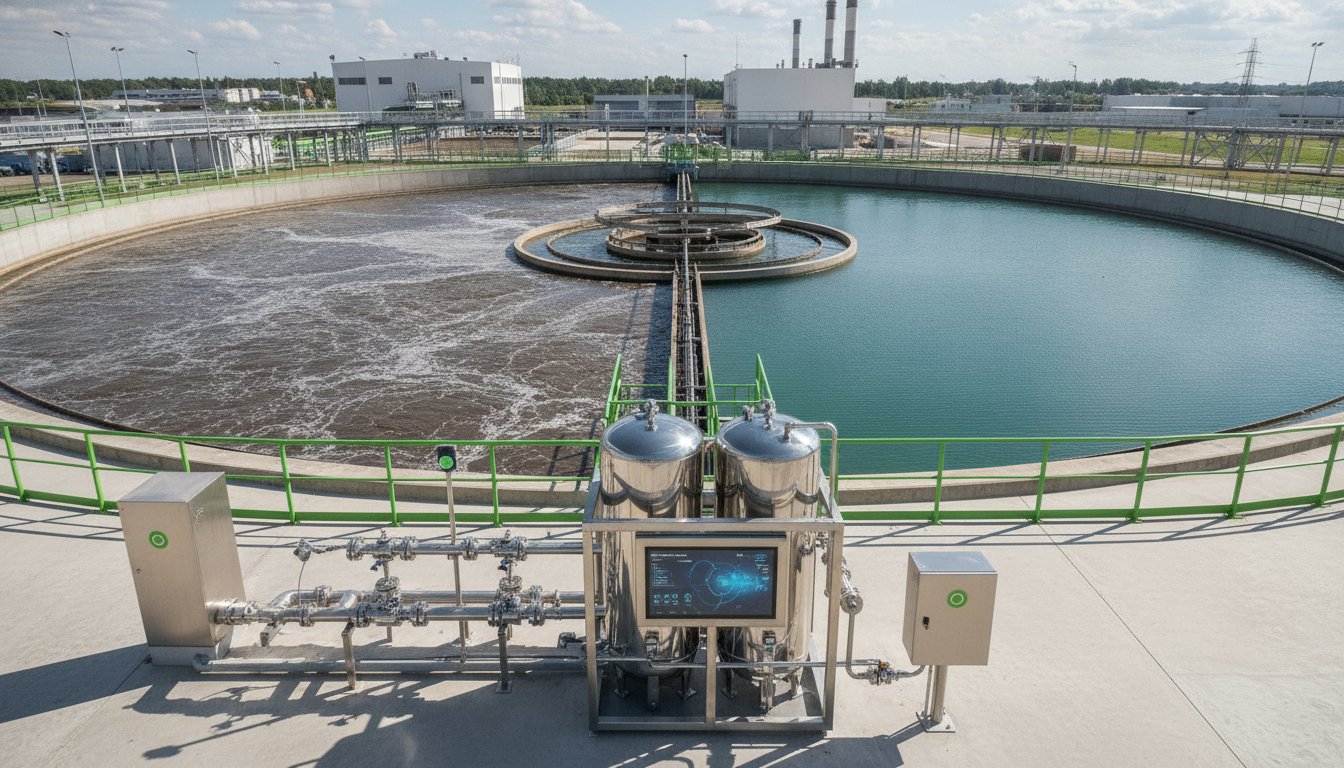
Manual jar testing is a reactive relic of the past. While it provides a baseline, it cannot keep pace with the volatile nature of modern industrial effluents. True flocculant dosage optimization requires a transition to real-time, sensor-driven feedback loops. These automated systems act as a continuous guardian of your water cycle. They monitor influent fluctuations and adjust chemical delivery in seconds. This shift isn't just about convenience; it's about the security of your resources and the stability of your infrastructure. By removing human error, you ensure that every drop of polymer serves a specific purpose in the separation process.
The eyes of an automated dosing circuit are its sensors. Turbidity sensors and streaming current detectors provide the raw data needed for precise control. Turbidity sensors measure the clarity of the treated water, while streaming current detectors evaluate the electrical charge of the particles in real-time. Together, they allow the system to react instantly to changes in solids loading. This prevents the common industry trap of overdosing during flow surges. It maintains a steady state that protects downstream equipment from the fouling caused by excess polymer carryover.
Implementing Feedback and Feed-Forward Loops
Modern PLC-based systems utilize both feedback and feed-forward logic to maintain equilibrium. Feed-forward loops measure incoming flow rates and solids concentration to predict the required dose. Feedback loops then refine this dose based on the actual quality of the effluent. This dual-layered approach is essential for volatile environments like mineral processing. It also allows for deeper integration into a facility's broader chemical management strategy. For instance, coordinating your flocculant usage with an h2s treatment plan ensures that chemical interactions don't compromise the safety or odor control of the site. A unified control strategy is the hallmark of a mature, results-driven operation.
Cost-Benefit Analysis of System Upgrades
The financial argument for automation is definitive. Industry data from 2026 indicates that automated and smart dosing systems can reduce chemical waste by 15% to 25%. These savings directly impact your OPEX. Beyond chemical costs, automation significantly improves plant safety by reducing manual handling of concentrated polymers. It also lowers labor requirements, allowing your technical team to focus on high-value optimization rather than routine pump adjustments. Precision dosing also has a massive impact on the final stage of the process: sludge management. By creating a more consistent, drier cake, you reduce the volume of waste destined for disposal. This lowers transport costs and minimizes the environmental footprint of your tailings. To secure these long-term gains, consider integrating our high-performance Mining Flocculants into your automated workflow.
Maintaining Operational Stability and Process Reliability
Operational excellence isn't a static destination. It's a continuous commitment to technical precision. Maintaining flocculant dosage optimization requires more than just high-end sensors; it demands a rigorous maintenance culture. Without a disciplined calibration schedule for your metering pumps, even the most advanced automation will eventually drift. This drift leads to the very chemical waste and high OPEX that eat into your bottom line. We recommend a weekly calibration check to ensure that the volume delivered matches the digital setpoint on your control panel. Precision is the foundation of resource security.
Tank hygiene is another often overlooked pillar of process reliability. Organic polymers are a potential food source for bacteria. If you don't clean your makeup and storage tanks regularly, bacterial growth will degrade the polymer chains before they ever reach the effluent. This bio-degradation causes pump clogging and frequent system downtime. A clean system ensures that the chemical remains potent and the infrastructure remains stable. It's a simple, proactive step that protects your long-term investment in equipment and chemistry.
Troubleshooting requires a logical, macro-to-micro approach. If you see "pin-floc" formation, it's often a sign of excessive shear or insufficient maturation time. Turbidity carryover, on the other hand, usually indicates that the dosage hasn't kept pace with a surge in solids loading. These issues don't just affect water clarity; they threaten the entire solids-liquid separation cycle. JAS Global Industries provides the technical expertise needed to diagnose these failures and restore equilibrium to your plant.
The Role of Technical Audits
On-site laboratory testing is the mandatory first step in any troubleshooting effort. You can't optimize what you haven't accurately measured. Our technical audits evaluate the critical synergy between industrial water treatment chemicals and your specific dosing hardware. We look at the entire circuit to ensure the chemical's molecular weight matches the mechanical energy of your mixers. This holistic view allows us to develop tailor-made formulations for complex mineral ores and fertilizers. These custom solutions provide a level of stability that generic, off-the-shelf products cannot achieve.
Long-Term Partnership and Global Support
Stability in the plant begins with stability in the supply chain. Recurring bulk chemical supply contracts offer more than just a lower price; they provide the security of a guaranteed resource flow. In an era of global volatility, this reliability is a vital asset. Our JAS R&I centers act as a rhythmic anchor for your operation, providing ongoing process innovation as your ore bodies or production targets change. We act as a foundational industry presence, focused on the fundamental needs of your facility and the broader impact on global resources. Contact JAS Global Industries today for a comprehensive technical audit of your dosing strategy and secure your flocculant dosage optimization for the long term.
Securing Global Resource Stability Through Technical Precision
The path to industrial efficiency begins with the mastery of chemical preparation and mechanical precision. By prioritizing the maturation of polymer chains and identifying the specific turbulence zones within your flow, you protect the integrity of your solids-liquid separation. These technical nuances don't just reduce OPEX; they ensure the stability of the vital resources your facility manages. Integrating these best practices into a sensor-driven framework ensures that flocculant dosage optimization becomes a sustainable reality for your operation.
Since 1998, JAS Global Industries has served as a foundational presence in the Middle East, Africa, Asia, and Europe. Our R&I centers are dedicated to the pursuit of process innovation and resource security. We offer specialized expertise in Mining Flocculants and Water Treatment chemicals to help you navigate the complexities of modern infrastructure. It's time to move beyond generic solutions and embrace a strategy built on established trust and technical excellence. Partner with JAS Global Industries for tailor-made chemical solutions and secure the future of your industrial plant yields. Your commitment to efficiency today builds a more stable world for tomorrow.
Frequently Asked Questions
What is the most common mistake in flocculant dosing?
Overdosing is the most frequent error in industrial solids-liquid separation. Operators often increase the feed rate to compensate for poor settling, but excess polymer actually inhibits performance by causing "pin-floc" carryover. This carryover fouls downstream filters and significantly inflates your chemical costs. Achieving true flocculant dosage optimization requires a shift from reactive manual adjustments to precision, sensor-based control that maintains the delicate balance of your process.
How long should I age a polymer solution before use?
Dry powder flocculants typically require 45 to 60 minutes of aging, while emulsion polymers usually mature within 15 to 30 minutes. This maturation time is non-negotiable because the long molecular chains must fully uncoil to provide effective bridging. Bypassing this phase results in "fresh" polymer that is significantly less efficient. It leads to higher chemical consumption and poor solids recovery, which ultimately threatens the stability of your resource management.
Can I use the same dosing system for both coagulants and flocculants?
Using the same hardware for both chemicals is generally not recommended due to their vastly different physical properties. Coagulants are often low-viscosity, corrosive liquids that require acid-resistant materials. Flocculants, however, are high-viscosity and extremely shear-sensitive. A system designed for coagulants will likely lack the gentle mixing and specific pump types, such as progressive cavity pumps, needed to maintain the molecular integrity of a long-chain flocculant polymer.
What is the ideal concentration for a stock flocculant solution?
Maintaining a stock concentration between 0.1% and 0.5% is the recognized industry standard for most mining and water treatment applications. Concentrations exceeding 0.5% create excessive viscosity that can strain metering pumps and lead to inaccurate delivery. Conversely, concentrations below 0.1% require unnecessarily large storage tanks and increase water consumption. Finding this balance is a foundational step in your flocculant dosage optimization strategy to ensure consistent chemical delivery.
How do I know if my flocculant is being sheared?
Small, fragile flocs that fail to settle despite a high chemical feed rate usually indicate mechanical shear. If you're using high-speed centrifugal pumps instead of progressive cavity models, the long-chain molecules are likely breaking before they reach the effluent. You'll notice a distinct drop in underflow density. Regularly auditing your pump speeds and mixing RPMs is a critical step in preserving the chemical integrity and reliability of your system.
Why is secondary dilution necessary in a dosing system?
Secondary dilution is essential to ensure the concentrated stock solution disperses instantly upon injection into the process stream. Because stock solutions are highly viscous, they don't mix easily with the influent on their own. By diluting the solution further just before the dosing point, you reduce its viscosity. This allows for more uniform contact between the polymer and the suspended solids, maximizing the efficiency of every drop of chemical used.
What maintenance is required for a dry polymer feeder?
Regular calibration and moisture control are the two most critical maintenance tasks for dry feeders. You must verify the volumetric or gravimetric accuracy weekly to ensure the dosage hasn't drifted. It's also vital to keep the wetting head and hopper free from moisture. Even a small amount of humidity can cause the powder to clump, leading to "fish eyes" in the solution and eventual blockages in your dosing lines.
How does water temperature affect flocculant preparation?
Cold water significantly retards the uncoiling rate of polymer chains, often doubling the required maturation time. Ideally, makeup water should be between 15°C and 30°C to ensure efficient uncoiling. If the water is below 10°C, the polymer may not fully activate, leading to wasted chemical. Conversely, water temperatures above 40°C can begin to thermally degrade the organic molecules, reducing their bridging strength and compromising the stability of your treatment process.