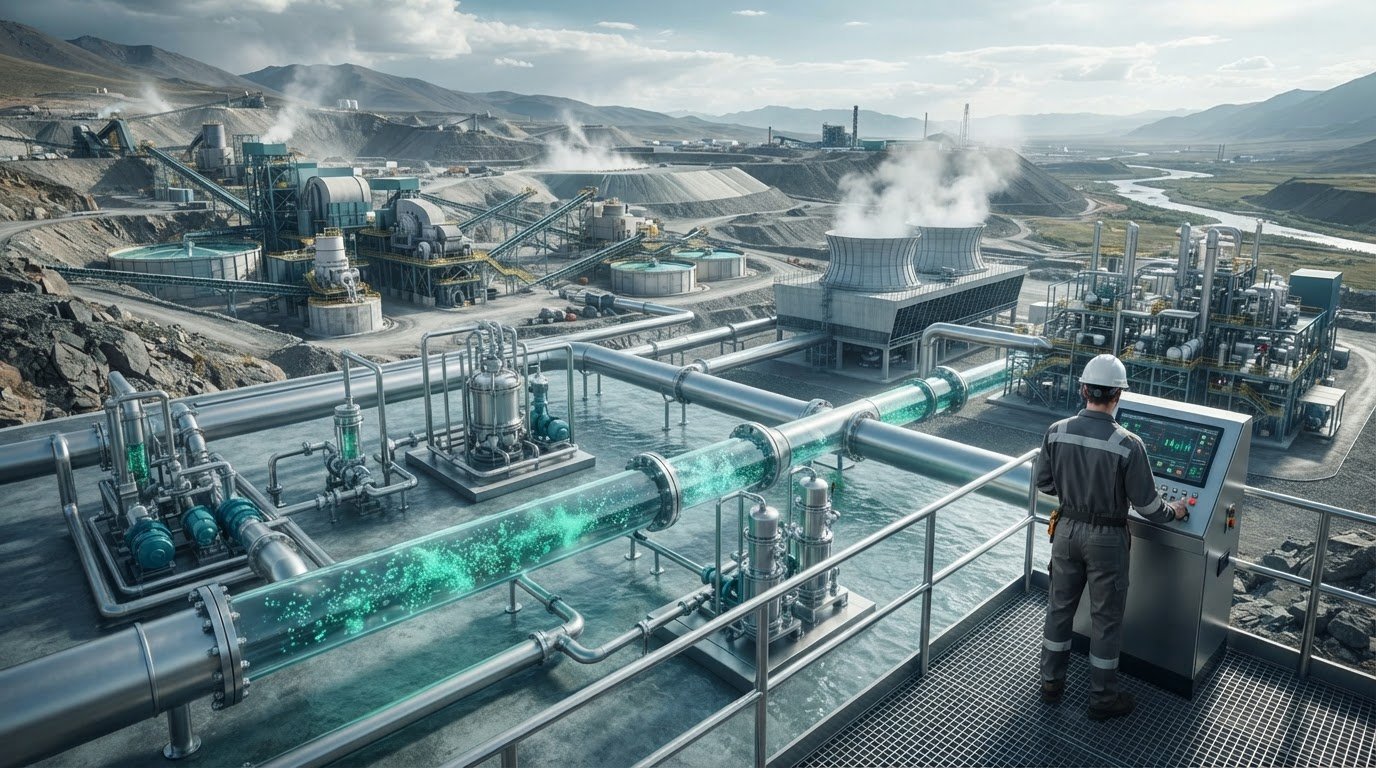


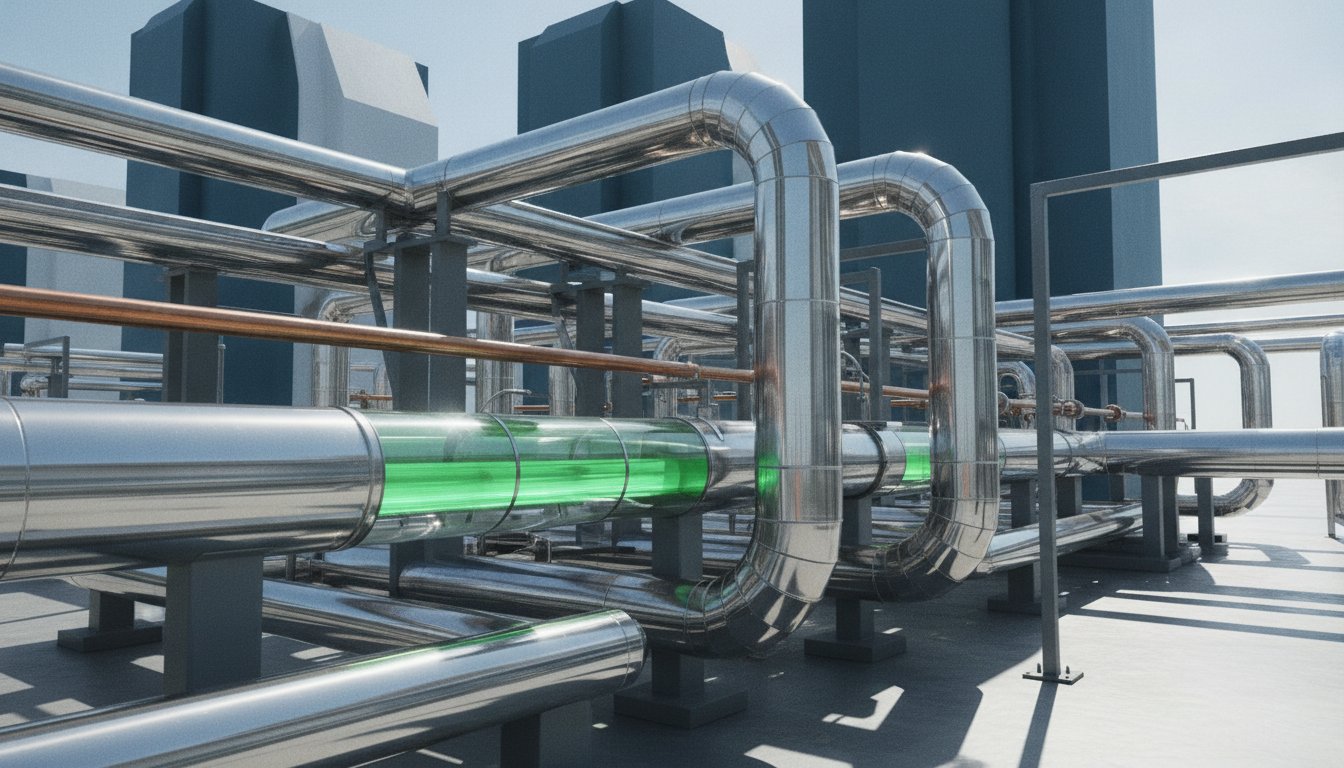
Your closed-loop system is the silent heartbeat of your facility, yet it remains the most vulnerable to invisible decay. With the global market for protection projected to reach 16.14 billion dollars by 2034, the scale of industrial asset security has never been more critical. You likely recognize that even a minor decrease in thermal efficiency leads to surging energy costs, while pipe thinning and unexpected leaks threaten the stability of your entire infrastructure. Managing the delicate chemical balance between copper, steel, and aluminum is a complex challenge that requires a dedicated strategy. Using a specialized corrosion inhibitor for closed-loop systems is no longer optional; it is a foundational requirement for operational continuity.
This guide demonstrates how advanced chemical formulations act as a vital guardian for your infrastructure. By implementing targeted inhibitors, you can safeguard your assets, optimize heat transfer, and significantly extend equipment lifespan. We will examine the strategic transition toward sustainable "green" inhibitors, the 75.90 percent market shift toward water-based formulations, and the precise methods used to secure multi-metal systems against long term degradation. Our focus remains on providing the technical stability and resource security your operations demand for a sustainable future.
Key Takeaways
- Understand why "closed" systems remain vulnerable to oxygen ingress and stagnant zones, requiring proactive chemical intervention to prevent hidden decay.
- Learn to distinguish between anodic and cathodic mechanisms when selecting a corrosion inhibitor for closed-loop systems to ensure optimal metal passivation.
- Discover strategic approaches for protecting mixed metallurgy, ensuring that sensitive yellow metals and aluminum components aren't compromised by standard treatments.
- Establish a reliable maintenance framework through regular water analysis and chemical residual testing to guarantee long-term operational stability.
- Explore how custom-engineered formulations act as a vital guardian for critical infrastructure, providing essential security in the most demanding industrial environments.
The Critical Role of Corrosion Inhibitors in Closed-Loop Systems
Industrial closed-loop systems are the backbone of modern facility management, yet they're frequently overlooked until a failure occurs. These circuits, including HVAC networks, chilled water systems, and industrial process cooling loops, are designed to recirculate a fixed volume of water to transfer thermal energy. However, the assumption that these systems are "closed" and therefore immune to external influence is a dangerous misconception. Oxygen ingress is an unavoidable reality in any mechanical environment. It enters through pump seals, valve packings, and expansion tanks during normal operation. Without a high-performance corrosion inhibitor for closed-loop systems, this oxygen becomes a catalyst for rapid metal degradation that compromises the entire facility.
Maintaining these systems is a vital pillar of industrial water treatment and broader resource security. When we protect industrial loops, we're effectively safeguarding the energy efficiency of the entire infrastructure. A Corrosion inhibitor serves as a critical guardian, forming a molecular barrier that isolates metal surfaces from corrosive elements. This proactive stance ensures operational stability and supports global sustainability goals by preventing the waste of water and energy. By framing corrosion control as a matter of asset security, organizations can transition from reactive repairs to a strategy of long-term reliability.
Common Corrosion Mechanisms in Industrial Loops
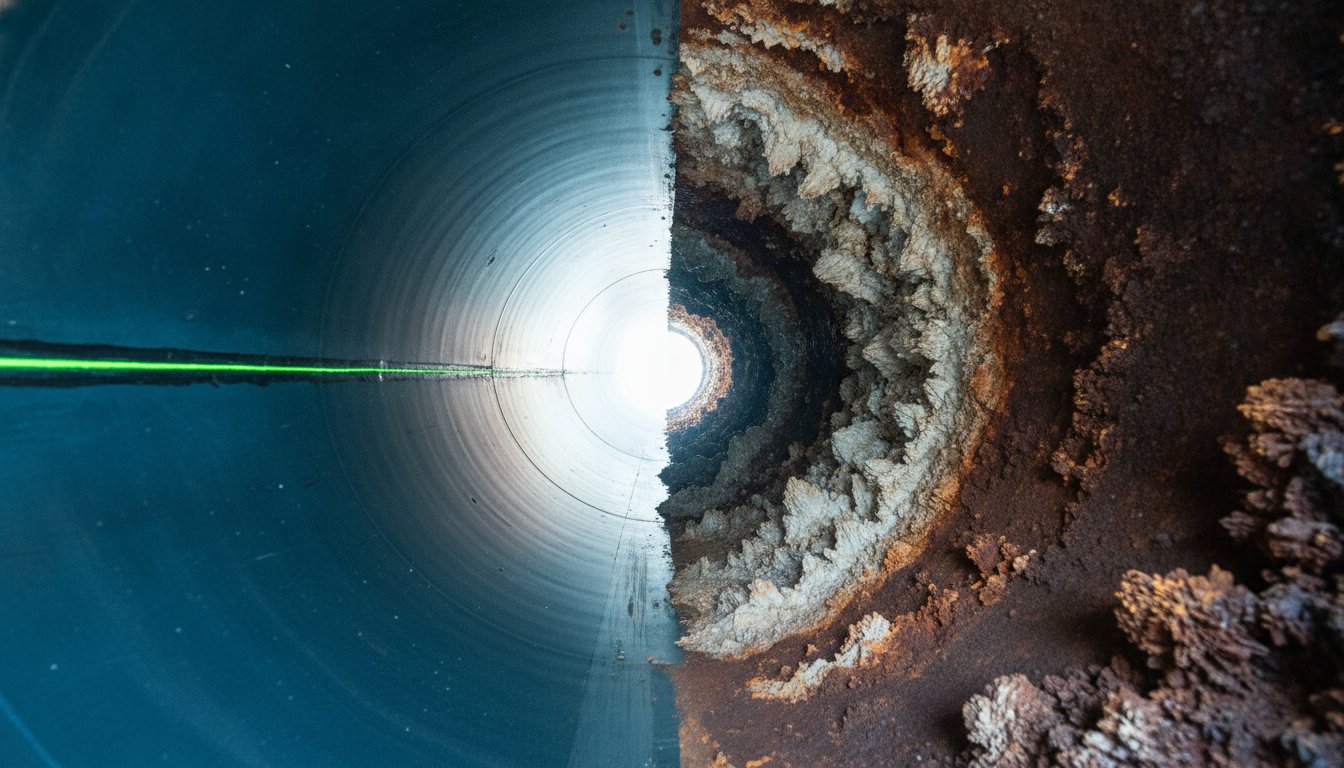
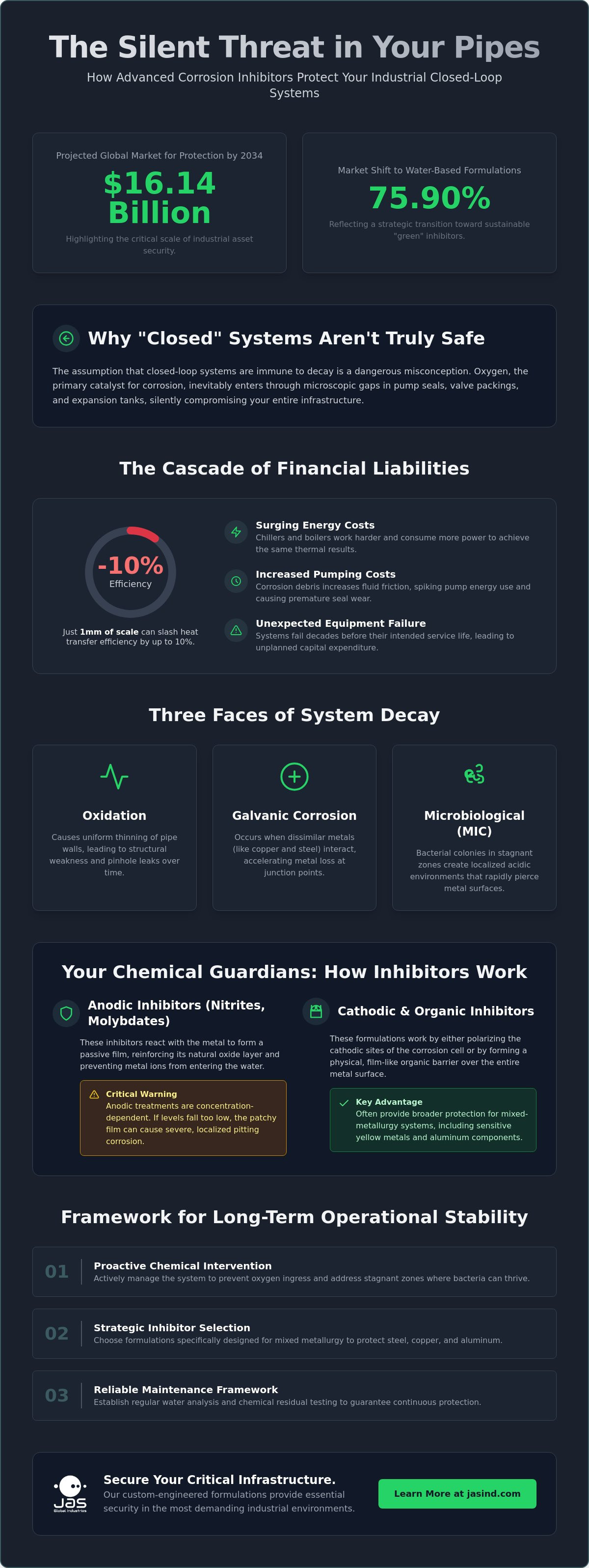
Corrosion in closed loops manifests through several destructive pathways. Oxidation causes uniform thinning of pipe walls, which eventually leads to structural failure and pinhole leaks. In multi-metal environments, galvanic corrosion occurs when metals like copper and steel interact, accelerating metal loss at the junction points. Low-flow areas or stagnant zones often harbor Microbiologically Influenced Corrosion (MIC). In these sections, bacterial colonies create localized acidic environments that pierce through metal surfaces significantly faster than standard chemical oxidation, often hidden beneath layers of sludge.
The Hidden Costs of System Degradation
Neglecting water chemistry creates a cascade of financial liabilities that extend far beyond the cost of replacement parts. Industry research indicates that a 1mm layer of scale or corrosion byproduct can reduce heat transfer efficiency by up to 10 percent. This thermal barrier forces chillers and boilers to consume significantly more energy to achieve the same cooling or heating results. Additionally, the accumulation of corrosion debris increases fluid friction and viscosity, which spikes pumping costs and causes premature wear on mechanical seals. These factors combined lead to unplanned capital expenditure as systems fail decades before their intended service life ends.
Types of Corrosion Inhibitors and Chemical Mechanisms
Selecting an effective corrosion inhibitor for closed-loop systems requires a deep understanding of electrochemical behavior. These chemicals don't simply "clean" the water; they fundamentally alter the interaction between the metal surface and the fluid. Protection is generally achieved through three primary mechanisms: anodic passivation, cathodic polarization, or film-forming organic barriers. Each method offers specific advantages depending on the system's operational temperature, water quality, and metallurgical composition.
Anodic inhibitors, such as nitrites and molybdates, function by reacting with the metal surface to repair and reinforce the natural oxide layer. This process creates a passivating film that prevents metal ions from entering the solution. While highly effective, anodic treatments are concentration-dependent. If the chemical residual falls below a critical threshold, the protective film becomes patchy, which can lead to severe localized pitting. This highlights the necessity for precise chemical management and robust Corrosion Prevention and Control Planning to ensure the safety of critical infrastructure.
Cathodic inhibitors provide a different layer of security by restricting the reduction of oxygen at the cathodic sites. By forming a physical barrier, often using zinc or polyphosphates, these inhibitors disrupt the flow of electrons that drives the corrosion process. In modern industrial applications, we increasingly rely on film-forming amines and organic inhibitors. These specialized molecules coat the entire internal surface of the loop, providing a comprehensive shield that's less sensitive to fluctuations in water chemistry than traditional mineral salts. Maintaining a stable alkaline environment through pH buffering is essential to keep these protective layers intact and prevent chemical breakdown.
Anodic vs. Cathodic Protection Strategies
Synergistic formulations represent the pinnacle of modern asset protection. Rather than relying on a single chemical, blended treatments combine anodic and cathodic protectors to create a multi-layered defense. This approach is particularly vital in systems with high flow rates or variable heat loads. By using a blended corrosion inhibitor for closed-loop systems, operators ensure that protection remains stable even if one mechanism is temporarily compromised by unexpected oxygen ingress. These formulations are engineered to provide maximum stability across diverse operating conditions.
Environmental and Regulatory Considerations
The industrial sector is undergoing a significant transition toward sustainable chemistry. Recent market data indicates that water-based corrosion inhibitors now hold a 75.90 percent share of the global market, driven by the phase-out of hazardous heavy metals like chromates. JAS Global Industries prioritizes these high-performance, environmentally responsible alternatives. Our approach mirrors the ethical standards found in our mining solutions, where resource security and environmental stewardship are inseparable. For facilities seeking to modernize their chemical programs, exploring advanced water treatment formulations is the first step toward achieving both compliance and long-term asset security.
Selecting the Right Inhibitor for Mixed Metallurgy
Asset security in industrial loops hinges on metallurgical compatibility. Most modern cooling and heating circuits aren't monolithic; they combine carbon steel piping with copper heat exchangers and aluminum components. This diversity creates a high-stakes electrochemical environment where metals interact in complex ways. Selecting a corrosion inhibitor for closed-loop systems that safeguards one material while neglecting another is a recipe for localized failure. Effective protection requires a balanced chemical profile that recognizes the specific vulnerabilities of every alloy within the circuit.
Generic dosing strategies often fail in these multi-metal environments. Precise application depends on an accurate assessment of total system volume and turnover rates. In systems where water remains stagnant for extended periods, chemical residuals must be robust enough to maintain a protective film without the aid of constant circulation. Compatibility with glycol-based antifreeze and specialized heat transfer fluids is also a critical factor. The chosen inhibitor must remain stable within these fluids to prevent precipitation or the formation of organic acids that could otherwise accelerate metal loss.
Copper and Alloy Stabilization
Yellow metals like copper and brass are essential for efficient heat transfer, yet they're prone to leaching in untreated water. To secure these assets, we utilize specialized azoles such as Tolyltriazole (TTA) or Benzotriazole (BTA). These compounds form a tenacious molecular bond with copper surfaces to prevent metal loss. Without this protection, copper ions enter the solution and plate out onto steel surfaces elsewhere in the loop. This 'cupric ion attack' mechanism creates localized galvanic cells on the steel, leading to rapid, deep pitting that can breach a pipe wall in a matter of months.
Aluminum Protection in Modern HVAC Systems
Aluminum is increasingly common in high-efficiency heat exchangers, but it presents a unique chemical challenge. While steel and copper often benefit from high-pH environments, aluminum is amphoteric; it'll dissolve in both acidic and highly alkaline conditions. Protection requires maintaining a narrow 'sweet spot' pH, typically between 7.0 and 8.5. Standard high-pH treatments used for steel-only loops can be destructive to aluminum, leading to caustic stress corrosion cracking in high-temperature applications. In these scenarios, silicate-based inhibitors provide a specialized solution by forming a protective barrier that stabilizes the metal without requiring aggressive alkalinity.
Monitoring and Maintenance for Long-Term Reliability
Maintaining asset security requires more than just the initial chemical charge. It demands a rigorous, data-driven approach to monitoring that ensures your corrosion inhibitor for closed-loop systems remains at optimal levels. This process begins with establishing a comprehensive baseline through an initial system audit and water analysis. Without this starting point, it's impossible to measure the effectiveness of your protection strategy or identify subtle shifts in system chemistry before they lead to failure.
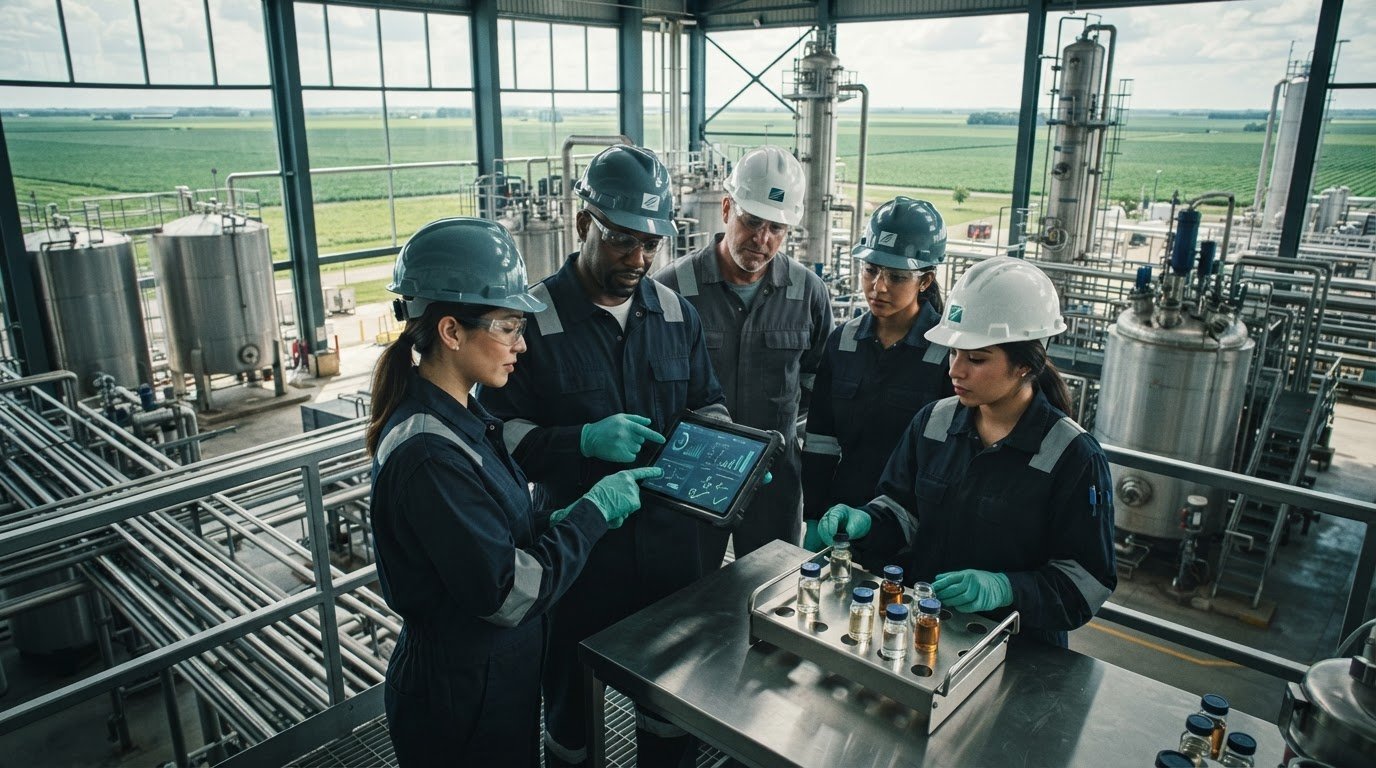
Regular testing of chemical residuals, particularly Nitrite and Molybdate levels, is a non-negotiable requirement for long-term reliability. These tests confirm that the protective reserve is sufficient to handle unexpected oxygen ingress. To gain a deeper understanding of system health, operators should utilize both physical corrosion coupons and real-time electronic monitoring. While coupons provide a retrospective look at metal loss over 30 to 90 days, electronic sensors offer immediate trend analysis. This allows for rapid intervention if corrosion rates spike. Additionally, managing suspended solids through side-stream filtration is essential. Removing abrasive particulates prevents physical damage to protective films and protects the integrity of mechanical seals.
Dosing and Control Protocols
Implementing the right delivery method is as important as the chemical itself. Shot dosing is often suitable for stable, low-leakage systems, while proportional feed systems are superior for loops with frequent makeup water requirements. Maintaining a consistent protective reserve is critical; every gallon of untreated makeup water dilutes your defense. If you notice sudden inhibitor depletion, it often signals a hidden leak that requires immediate investigation. This proactive detection prevents the waste of expensive chemicals and protects the system from untreated water exposure.
The Role of Technical Consulting
Complex industrial facilities benefit from an integrated approach to chemical oversight. On-site laboratory testing and expert audits are essential for process optimization. By developing a custom chemicals management plan, organizations can align their water treatment goals with broader operational objectives. This level of technical partnership reduces chemical waste, improves ROI, and reinforces the stability of global infrastructure. For a comprehensive assessment of your facility’s needs, contact our technical specialists to secure your critical assets.
JAS Global Industries: Advanced Formulations for Industrial Security
JAS Global Industries operates as a foundational pillar for modern infrastructure. We don't view chemical supply as a simple transaction; we see it as a mission to ensure the stability of critical global resources. Our high-performance corrosion inhibitor for closed-loop systems is engineered to meet the demands of extreme industrial environments where standard treatments fail. From the intense thermal loads of the Middle East to the strict regulatory landscapes of Europe, we provide the technical stability necessary for operational continuity. Protecting assets. Securing resources. This dual focus defines our approach to modern industrial challenges.
Our expertise extends across the most vital water-intensive sectors. We have a proven track record in securing the integrity of systems used in thermal desalination and large-scale cooling networks. By integrating advanced chemistry with a deep understanding of resource management, we help facilities achieve higher efficiency while reducing their environmental footprint. This alignment of industrial performance and social concern defines our role as a global leader in chemical technology. We bridge the gap between technical industrial expertise and global responsibility.
Our Approach to Technical Excellence
Technical leadership requires constant evolution. Our tailor-made formulations are developed in global R&I centers, where we focus on solving the specific challenges of our partners. We prioritize long-term partnerships over commodity supply. This commitment ensures that your facility benefits from continuous process optimization rather than just a one-time product delivery. We act as a vital global guardian, focusing on the fundamental needs of society by protecting the infrastructure that powers it. Our corrosion inhibitor for closed-loop systems is a testament to this focus, offering reliability that's rooted in a long corporate history of excellence.
Securing Your Infrastructure
The stability of your plant depends on the precision of your chemical program. Our specialty chemical reagents are designed to optimize plant yields by preventing the degradation that leads to unplanned downtime. By ensuring the safety and stability of critical industrial infrastructure, we provide the peace of mind necessary for large-scale operations to thrive. We invite you to leverage our experience to safeguard your assets. Contact our technical team today for a comprehensive system audit and discover how our strategic formulations can provide the security your facility deserves.
Securing the Future of Industrial Infrastructure
Effective asset protection is a strategic necessity for modern infrastructure. By prioritizing precise chemical mechanisms and rigorous monitoring, facilities can prevent the catastrophic failures that threaten operational stability. Selecting a high-performance corrosion inhibitor for closed-loop systems is the first step toward optimizing thermal efficiency and extending equipment life. We've established that managing mixed metallurgy and maintaining a protective reserve are essential pillars of resource security. These efforts ensure that your facility remains an efficient, reliable contributor to the global economy.
Since 1998, JAS Global Industries has served as an indispensable pillar of global industry. From our headquarters in Dubai, we leverage global R&I centers to deliver specialty chemicals that protect the world's most critical resources. We don't just supply chemicals; we build long-term partnerships rooted in technical excellence and reliability. Our mission is to provide the safety and stability your facility needs to thrive in a demanding global landscape. Take the decisive step toward total asset security and operational peace of mind today.
Contact JAS Global Industries for a Technical Audit and Custom Formulation Strategy
Frequently Asked Questions
What is the best corrosion inhibitor for a closed-loop chilled water system?
Molybdate or nitrite-based formulations are typically the most effective choices for chilled water loops. Molybdates offer superior protection in aerobic conditions and are less prone to microbial degradation. Nitrites provide excellent steel protection but require careful monitoring to prevent bacterial growth. The selection depends on your specific metallurgy and environmental compliance needs. Our global R&I centers develop these custom formulations to ensure the stability of your critical cooling infrastructure.
How often should I test chemical levels in my closed-loop system?
Testing should occur at least once per month for stable systems to ensure asset security. Systems with frequent makeup water or known leakage require weekly analysis to maintain the protective reserve. Regular testing ensures the corrosion inhibitor for closed-loop systems remains within the manufacturer's specified range. This proactive approach prevents the invisible decay that leads to catastrophic failure. Consistent monitoring is a vital pillar of a responsible chemicals management strategy.
Can I mix different brands of corrosion inhibitors in the same loop?
Mixing different brands is generally discouraged due to potential chemical incompatibilities between proprietary formulations. Different manufacturers use varied buffering agents and stabilizers that may react negatively when combined in a single loop. This can lead to precipitation, loss of inhibitor effectiveness, or physical damage to mechanical seals. Always perform a partial system flush or a compatibility test before transitioning to a new chemical provider. Maintaining chemical purity is essential for long-term system stability.
What happens if nitrite levels in my closed-loop system are too high?
Excessive nitrite levels can promote the growth of nitrifying bacteria and increase the risk of Microbiologically Influenced Corrosion. High concentrations may also lead to the formation of abrasive salts that damage pump seals and valves over time. Maintaining the precise balance specified in your technical audit is essential for long-term system stability and mechanical integrity. Over-dosing leads to unnecessary chemical waste and complicates the management of your industrial infrastructure.
How do I know if my closed-loop system is experiencing MIC (Microbial Corrosion)?
Indicators of microbial corrosion include localized pitting, foul odors, and the presence of black or slimy deposits in low-flow areas. Rapid depletion of nitrite levels without a corresponding increase in water makeup often signals high bacterial activity. Professional laboratory analysis of water samples and biological dip-slides are the most reliable methods for confirming an infestation. Addressing MIC promptly is critical to prevent the rapid degradation of your facility's heartbeat.
Is it necessary to use a corrosion inhibitor if I use demineralized water?
Using an inhibitor is absolutely necessary with demineralized water because high-purity water is extremely aggressive toward metals. While it lacks scale-forming minerals, it's chemically "hungry" and will actively leach ions from pipe walls to reach equilibrium. A specialized corrosion inhibitor for closed-loop systems provides the necessary passivation to prevent rapid oxidation in these environments. Protecting high-purity systems requires this proactive chemical barrier to ensure the security of your critical assets.
What are the environmental impacts of molybdate-based inhibitors?
Molybdates are generally considered more environmentally friendly than traditional chromates but are still subject to local discharge regulations. While they have low toxicity to aquatic life, many municipalities limit their concentration in wastewater due to potential interference with treatment processes. Operators should consult local environmental guidelines to ensure compliant disposal of system blowdown. Transitioning to these formulations supports your facility’s commitment to sustainability and responsible resource management.
Can corrosion inhibitors protect systems with both copper and aluminum?
Multi-metal inhibitors are specifically formulated to protect both copper and aluminum within the same circuit. These blends combine azoles for yellow metal protection with silicates or organic acids to stabilize aluminum without using high-pH caustics. Protecting mixed metallurgy requires these balanced formulations to prevent the galvanic interactions that lead to localized pitting. Our custom-engineered solutions provide the technical stability needed to safeguard diverse alloys in complex industrial cooling environments.